Tires
|
May 30, 2019

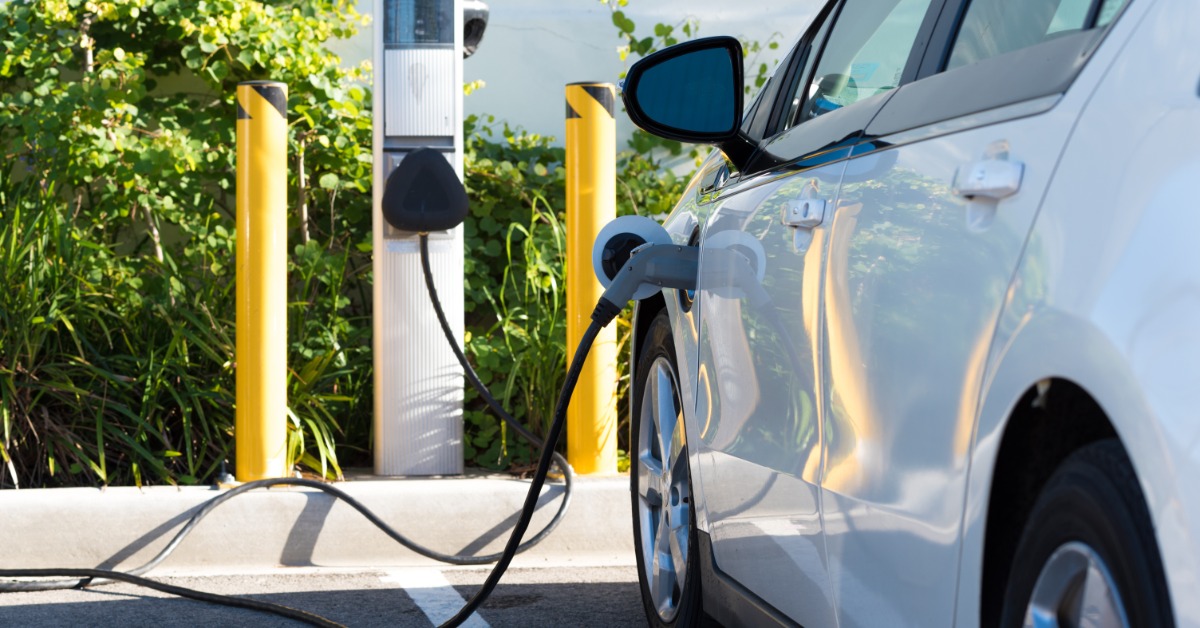
Electric vehicles have changed the way many drivers think about daily driving. They deliver quick acceleration, smooth power, quiet cabins, and lower fuel costs, but they also place different demands on tires than gas-powered vehicles.
Choosing EV tires does not have to feel complex. Once you understand how weight, torque, rolling resistance, tread design, and road noise work together, you can narrow your options with more confidence. Keep reading to understand how to choose the right tires for your electric vehicle (EV).
EVs carry large battery packs, and that extra weight changes how tires handle the road. A tire with the wrong load rating may wear faster, ride poorly, or fail to support the vehicle properly. That is why EV owners should start with the tire size, load index, and speed rating that their vehicle placard or owner’s manual lists.
EVs also deliver instant torque. When you press the accelerator, the motor sends power to the wheels quickly, which can stress the tread. Tire manufacturers design many EV-specific tires to address vehicle weight, quick acceleration, low rolling resistance, and cabin noise.
Before you compare brands or tread patterns, check the specifications your EV requires. The tire size tells you the width, aspect ratio, and wheel diameter. The load index tells you how much weight each tire can safely carry. The speed rating tells you the maximum speed the tire can handle under proper conditions.
Never base your tire replacement selection on size alone. Two tires can share the same size but have different load ratings, tread designs, or performance characteristics. For EVs, the load rating deserves close attention because the tire must support the vehicle’s battery weight, passengers, cargo, and daily driving demands.
Rolling resistance describes how much energy a tire uses as it rolls down the road. A tire with lower rolling resistance helps the vehicle use energy more efficiently. For EV drivers, this can help protect driving range, especially during highway travel or daily commuting.
That does not mean you should choose the lowest rolling resistance tire without looking at anything else. You still need strong wet traction, proper load capacity, good tread life, and a comfortable ride.
EV tires work hard because they support extra weight and handle quick torque delivery. That combination can accelerate tread wear if the tire does not match the vehicle or driving style. A driver who accelerates hard from stoplights, takes corners quickly, or skips rotations may wear through tires faster than expected.
Look for tires that feature long tread life, stable contact with the road, and even wear. The Uniform Tire Quality Grading system can help shoppers compare treadwear, traction, and temperature resistance across many passenger tires.
EVs make quick acceleration feel effortless, but smooth driving can help tires last longer. Ease into the accelerator, brake with control, and avoid sudden steering when possible. These habits reduce stress on the tread and help the tire maintain a more even wear pattern.
When choosing the right tires for your electric vehicle, you also must consider the conditions you’ll be most frequently driving in. Alabama drivers need tires that can handle heat, humidity, sudden rain, and wet pavement. Summer heat can increase tire pressure and road temperatures, while heavy rain can challenge traction.
All-season tires work well for many EV drivers in Alabama because they balance dry grip, wet traction, comfort, and tread life. Some drivers may prefer performance tires if they drive a sportier EV and want sharper handling. Others may choose touring tires if they value comfort, efficiency, and a quieter ride.
Wet traction deserves serious attention because EVs can accelerate quickly, even on slick roads. A tire with poor wet grip can reduce confidence during rain, lane changes, and sudden stops. Look for tread patterns that channel water away from the contact patch and rubber compounds that offer dependable wet-road performance.
Alabama weather can change quickly, so a tire that performs well in dry conditions but struggles in rain may not fit your daily needs. Choose a tire that matches the weather you drive in, not just the conditions you prefer.
EVs run quietly because they do not have a traditional engine sound. That quiet cabin can make tire noise more noticeable, especially on highways, coarse pavement, or worn roads. A tire that seems quiet on a gas-powered vehicle may sound louder on an EV. Many EV-focused tires use tread patterns, foam liners, or construction features that help reduce road noise.
If you drive mostly around town, you may care most about smooth starts, wet traction, and tread life. If you commute on the interstate, road noise and range may matter more. If you drive a performance EV, you may place handling and grip higher on your list.
A tire professional can help you compare those priorities without pushing you toward a tire that does not fit your needs. The right choice should match your vehicle, your route, your budget, and the way you drive.
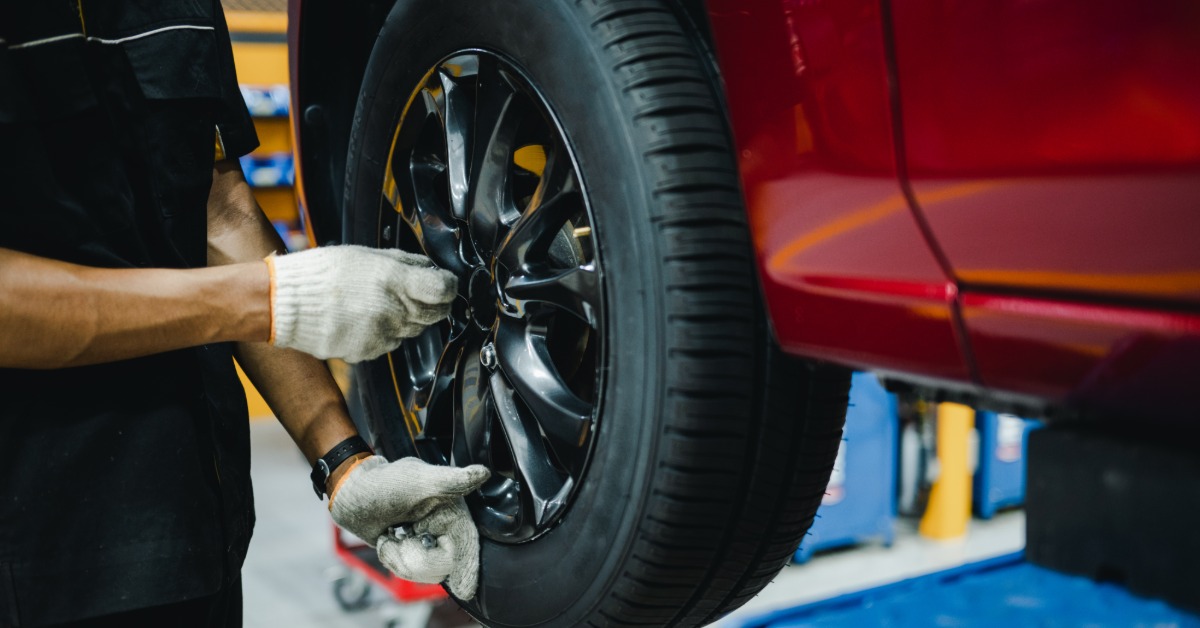
Some EVs use tires that are specifically for electric vehicles, while others can use standard tires that meet the correct size, load index, and speed rating. EV-specific tires may offer advantages in rolling resistance, load support, noise control, and tread durability. Standard tires may still work well when they meet every required specification and fit your driving priorities.
The key is not the label alone. An EV tire must still match your vehicle and conditions. A standard tire still needs the correct load rating, dependable traction, and the performance qualities your EV requires.
Before you commit to a tire, ask how it performs in wet weather, how it affects ride comfort, and whether it supports your EV’s load requirements. Ask about tread life expectations, rotation schedules, and pressure recommendations. These questions help you avoid buying based only on price or brand familiarity.
The right tires still need regular care. Check tire pressure monthly and before long drives. Inspect tread depth, look for uneven wear, and schedule rotations based on your owner’s manual or a tire professional’s recommendation.
Alignment also plays an important role. If your EV pulls to one side, the steering wheel sits off-center, or the tires wear unevenly, schedule an alignment check. Proper alignment helps your tires contact the road correctly, which supports handling, tread life, and efficiency.
The right EV tires should support your vehicle’s weight, protect range, reduce road noise, handle Alabama rain, and deliver dependable tread life. By checking the correct specifications first and then comparing efficiency, traction, comfort, and durability, you can choose tires that fit your EV and your daily drive.
If you need EV tires in Alabama, check out the RNR Tire Express tire shop in Montgomery, AL, or one of our many other locations in the state. Our experts will help you find the tires that best suit your vehicle, driving style, and budget.
By signing up you agree to our Privacy Policy.