Tires
|
May 30, 2019
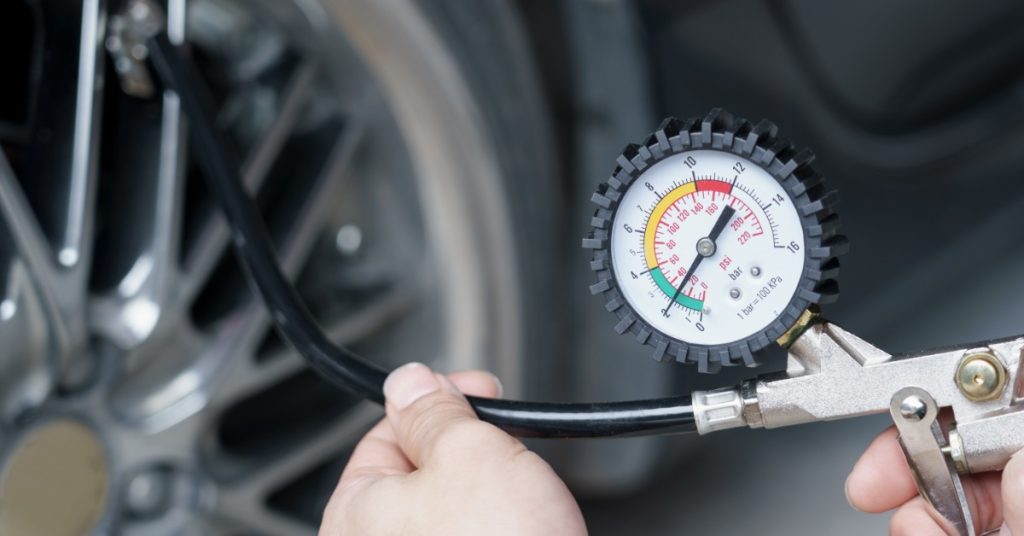
A tire that needs air once doesn’t seem like a major concern. When the same tire keeps dropping below the recommended pressure, an issue is usually happening behind the scenes. Many drivers first notice the issue when the TPMS light comes on, but the issue may have started earlier. Understanding why your tires keep losing air pressure helps you decide what your tire needs so you can continue driving without worries.
Air loss does not always point to one obvious problem. Tires hold pressure through several parts working together, and a weak seal could allow air to escape slowly. Some causes come from road conditions, and others build with age.
Temperature shifts change tire pressure even when nothing is wrong with the tire. Cold air lowers pressure because the air inside contracts. Warm weather raises the reading. A seasonal drop is common, but repeated loss in one tire deserves closer attention.
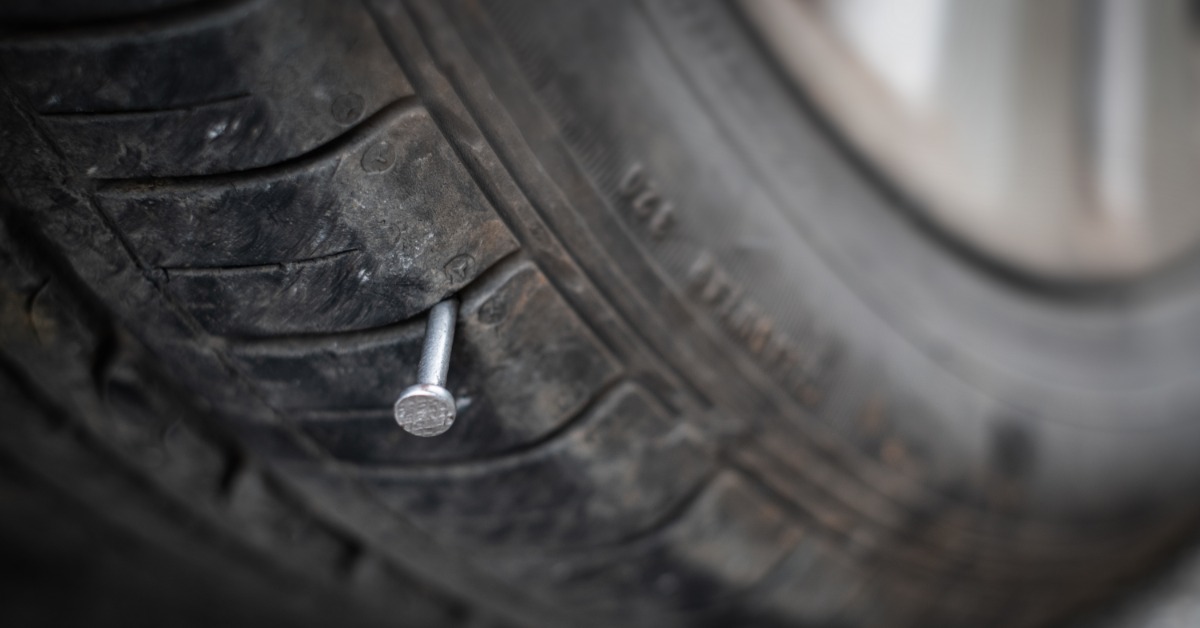
A nail or screw may lodge in the tread without creating an immediate flat. The object might initially seal part of the hole, so air leaks out slowly. Drivers often refill the tire before spotting the cause. Repair is possible when the puncture is near the center of the tread area.
The valve stem is the small part used to add air to the tire. Age and road grime weaken the seal around it. Air loss from a valve stem seems confusing because the tread may look fine. A technician can test and replace the part.
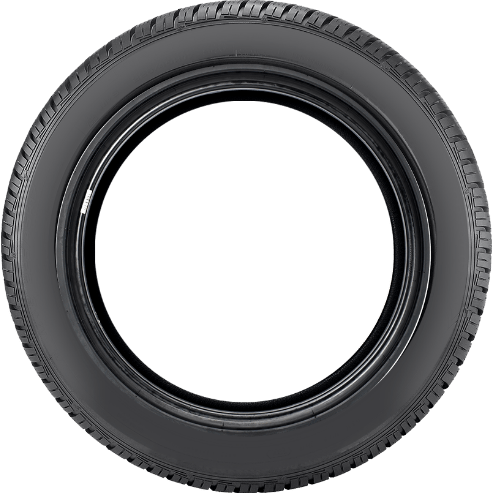
The tire bead is the edge of the tire that seals against the wheel. When that seal becomes uneven, air slips out around the rim. Dirt or corrosion creates small gaps. Bead leaks are slow, which makes them easy to mistake for routine pressure changes.
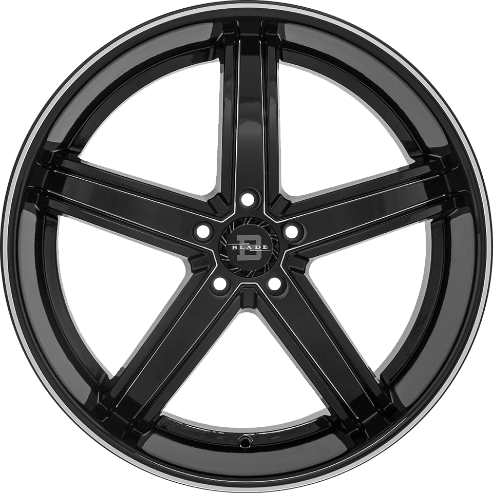
The wheel itself may be the reason pressure keeps dropping. A hard pothole hit or a curb impact could bend the rim enough to affect the tire seal. Corrosion will create rough areas where air sneaks through; however, cracks are more serious.
Older tires lose air because the rubber no longer seals as well as it once did. Heat, sunlight, mileage, and time gradually change the tire’s structure. You’ll typically see small cracks appear along the sidewall. A tire that keeps losing pressure late in its life is no longer worth repairing.
Finding the source of air loss starts with noticing the pattern. A tire that loses pressure overnight points to a different issue than one that needs air every few weeks. Timing narrows the cause.
Rapid air loss usually indicates a more urgent problem. A tire that drops several pounds in a day typically has a puncture or seal issue. A slower change across all four tires likely relates to the weather. One tire losing pressure more than the others points to a leak.
A careful look should reveal part of the problem before you visit a shop. Check the tread for embedded objects and look along the sidewall for cracks or bulges. If something is off, the wheel surface can show curb damage near the tire edge. Avoid pulling out anything stuck in the tread.
The TPMS light gives useful timing information. A light that comes on during cold mornings and turns off later is reacting to temperature changes. A light that returns soon after refilling the same tire suggests a leak. A flashing TPMS light points to a sensor issue instead.
Some leaks are difficult to find without the right equipment. A shop uses a pressure test or removes the tire to locate hidden air loss. Professional inspection is more important when pressure loss repeats after refills. It is the safer choice when damage appears near the sidewall or wheel.
Driving with low tire pressure changes how the tire contacts the road. The tire may flex more than it should, which creates extra heat and uneven wear. becomes less predictable during braking or turning. Fuel economy suffers as well because the vehicle must work harder to keep rolling. Repeated pressure loss turns a repairable issue into a need for replacement.
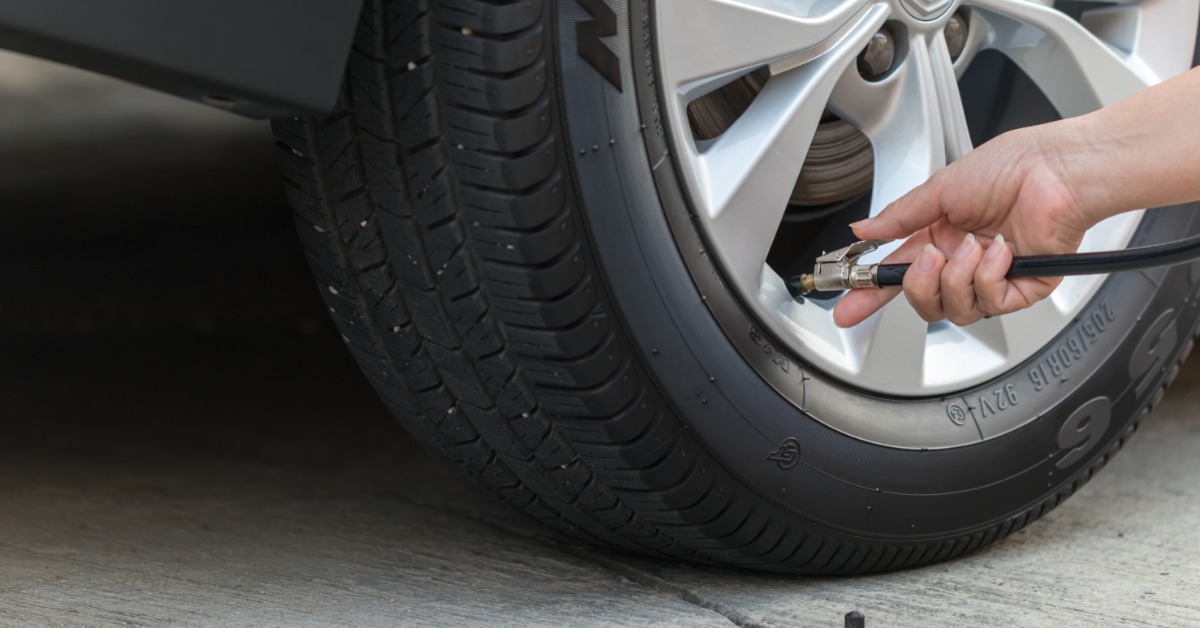
The right fix depends on where the air is escaping. Guessing may waste time and money, so start with basic checks before repair or replacement.
Use the pressure listed for your vehicle, not the number printed on the tire sidewall. Check pressure when tires are cold. Regular checks help you spot a pattern early.
Look for objects in the tread, cracks in the rubber, or unusual sidewall shape. A visible problem does not always reveal the full source of the leak, but it provides a technician with helpful information.
A tire needs replacement when the damage is outside a safe repair zone. Sidewall damage, severe aging, or repeated leaks indicate that the tire is no longer a candidate for repair. Replacement gives the vehicle a safer, more reliable tire.
A damaged wheel will continue to cause air loss even with a new tire. If the rim no longer seals correctly, replacing the wheel is the only lasting solution.
A worn valve stem is usually a simple fix once it is confirmed as the leak source. Replacing it restores the seal at the point where air enters the tire. This repair is recommended during tire service if the part shows signs of age or damage.
When a tire or wheel needs replacement, RNR Tire Express helps drivers find options that fit their vehicle and budget. If you are looking for a tire shop in Jackson, TN, the team at RNR Tire Express offers tires, wheels, rims, and alignments, along with flexible payment options. Our selection makes it easier to replace a problem tire or upgrade damaged wheels. Drivers get local service from a team focused on helping customers stay on the road.
A tire that keeps asking for air is usually asking for attention, too. Once you understand why your tires keep losing air pressure, the next step becomes much easier to make with confidence. RNR Tire Express helps drivers find the right tire and wheel solutions without making the process harder than it needs to be.
By signing up you agree to our Privacy Policy.