Tires
|
May 30, 2019
Leased vehicles come with a different kind of responsibility because you do not fully own the car. The tires still wear down from normal use, yet their condition at turn-in affects how smoothly the return process goes. That is why drivers need a clear answer about what to know before replacing tires on a lease and buying a new set. The goal is to meet lease requirements and avoid unpleasant charges at the end of the lease.
Your lease agreement sets the rules for the condition your vehicle should be in when it goes back to the dealership. Tires are part of that agreement, so it is worth reviewing the fine print before making any assumptions. Some leases mention tire size, matching tires, acceptable wear, or the condition expected at return.
This section of the agreement helps you understand what the leasing company will look for later. It does not always read like everyday language, which is why many drivers overlook it until the turn-in gets closer. Taking a few minutes to check those details now gives you a clearer starting point before spending money on tire work.
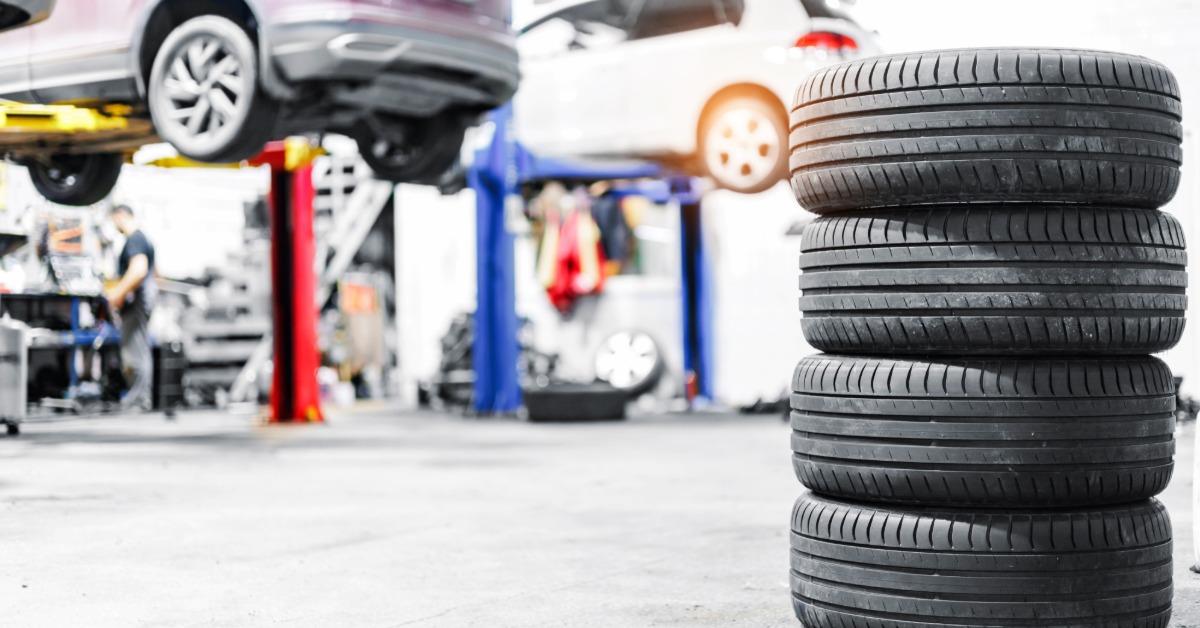
You need to replace leased tires when they no longer meet safe driving standards or lease return expectations. Low tread is the most common reason, but it is not the only one. A tire with a bulge or serious cracking, for example, should not stay on the vehicle.
When inspecting your tires to determine whether you need to replace them, keep uneven wear in mind. If one tire wears faster than the others, the issue might stem from something deeper, like alignment problems. Replacing the tire and returning the car without addressing the cause could lead to the same problem again.
Timing is important here. Replacing worn tires too late creates a safety risk, but replacing them too early might mean paying for mileage someone else will use.
Returning a leased car with bad tires leads to extra charges after the inspection. The leasing company might bill you for replacement tires at a higher cost than you would have paid on your own. You lose control over brand choice and where the work gets done.
Bad tires often include tread worn below the required depth, visible damage, or tires that do not match the vehicle’s specifications. Some lease returns are inspected before the final drop-off, giving drivers time to correct issues. Others are reviewed closer to the return date, which leaves less room to make smart decisions.
Inspect the tires before turn-in season arrives. That gives you room to compare options.
Choosing replacement tires for a leased vehicle starts with the tire placard inside the driver’s door or the owner’s manual. That information helps you match the correct size and rating. Guessing based on what looks close is risky because lease inspections usually focus on specifications rather than appearance.
Stick with tires that fit the vehicle’s original purpose. The tires you would purchase for a sporty model vehicle will not match the way an SUV is built to drive. Matching the existing tires is the simplest route when only one or two need replacement.
Ask the tire shop to confirm the specs before installation. A quick check upfront prevents turn-in problems later.
Saving money on leased tires starts with buying the right tire, not always the cheapest one. A low-priced tire that does not meet the lease requirements could cost more after inspection. The smarter choice is a tire that satisfies the contract and fits how much time remains on the lease.
If your lease is ending soon, you probably do not need the most premium tire available. You need a safe, compatible tire that will pass inspection and perform properly until the vehicle is returned. For drivers with plenty of lease mileage ahead, better durability might save money over time.

Good tire habits allow you to get more life from the tires already on the leased vehicle. Keep air pressure at the recommended level, since underinflation wears tires faster and affects how the vehicle handles. The recommended pressure is usually listed on the driver-side door placard.
Rotate the tires on schedule if your vehicle allows it. Rotation distributes wear more evenly across the set, which is useful when a lease inspection evaluates overall condition. Alignment checks are worth considering when the steering wheel pulls or the tread wears unevenly.
Driving style plays a role, too. Hard braking and fast cornering shorten tire life. Small habits over several months decide whether tires last until turn-in.
A local tire shop is a smart place to start because leased tire replacement works best with clear guidance. You need someone who understands how to choose the right tire and install it properly. If you are looking for a tire shop in Baton Rouge, LA, RNR Tire Express helps drivers find tire options that fit their vehicle and budget.
The right shop should explain your choices without pushing you toward tires that exceed what the lease requires. That is important when the vehicle is going back soon. You want tires that satisfy the lease agreement and keep the vehicle safe, not a purchase that adds unnecessary cost.
RNR Tire Express works with drivers across the Gulf Coast who need tires. Our payment options give customers a practical way to handle tire replacement.
Leased tire replacement is easier to manage when you treat it as a timing decision instead of a last-minute problem. The right tires protect the vehicle now and help reduce the risk of extra costs when the lease ends. If you are unsure what to know about replacing tires on a lease, start with the contract, check the tread, and get guidance before turn-in day arrives.
By signing up you agree to our Privacy Policy.