Maintenance
|
Jul 23, 2019

Gravel roads create unique challenges for drivers who travel through rural areas every day. Loose rocks, uneven terrain, and dusty conditions place constant stress on tires and suspension components.
Drivers who spend time on gravel roads need dependable tires that can handle rough surfaces without wearing down too quickly. Proper tire care also improves traction and vehicle control during unpredictable driving conditions.
Rural drivers often travel longer distances between service locations and repair shops. Tire damage in remote areas can quickly turn into a major inconvenience without proper preparation. Gravel roads also increase the risk of punctures and uneven tread wear when drivers ignore maintenance needs. Following these tire tips for rural drivers commuting on gravel roads helps keep you safe in demanding conditions.
Gravel roads place more friction and pressure on tires than paved highways. Sharp rocks constantly strike the tread and sidewalls while vehicles move across uneven terrain. This repeated impact slowly chips away at rubber compounds and accelerates tread wear. Dust and debris also work their way into small cuts, which can weaken tire integrity.
Loose gravel creates unstable driving conditions that force tires to work harder for traction. Tires spin more often during acceleration, especially on steep hills or loose surfaces. Excessive wheel spin generates heat and uneven wear patterns, shortening tire lifespan. Drivers who frequently travel rural routes should inspect tires more often than drivers who remain on paved roads.
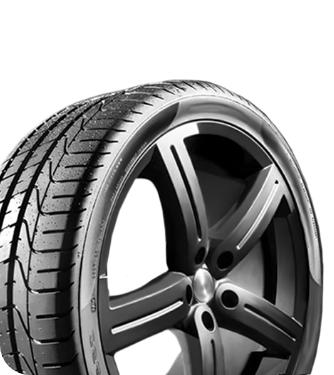
The right tire choice makes a significant difference for drivers who regularly travel on gravel roads. All-terrain tires typically perform better than standard highway tires because they feature stronger tread blocks and reinforced sidewalls. These designs help resist punctures while maintaining traction on loose surfaces. Tires with deeper tread patterns also improve stability during wet or muddy conditions.
Drivers should also pay attention to tire load ratings and durability features. Heavier vehicles and trucks require tires that can support additional weight without excessive flexing. Reinforced construction helps reduce the risk of sidewall cuts from jagged rocks.
Searching for dependable tires in Laredo? Drivers often benefit from choosing durable all-terrain options built for rural driving conditions. Visit RNR Tire Express to find reliable tires for your vehicle.
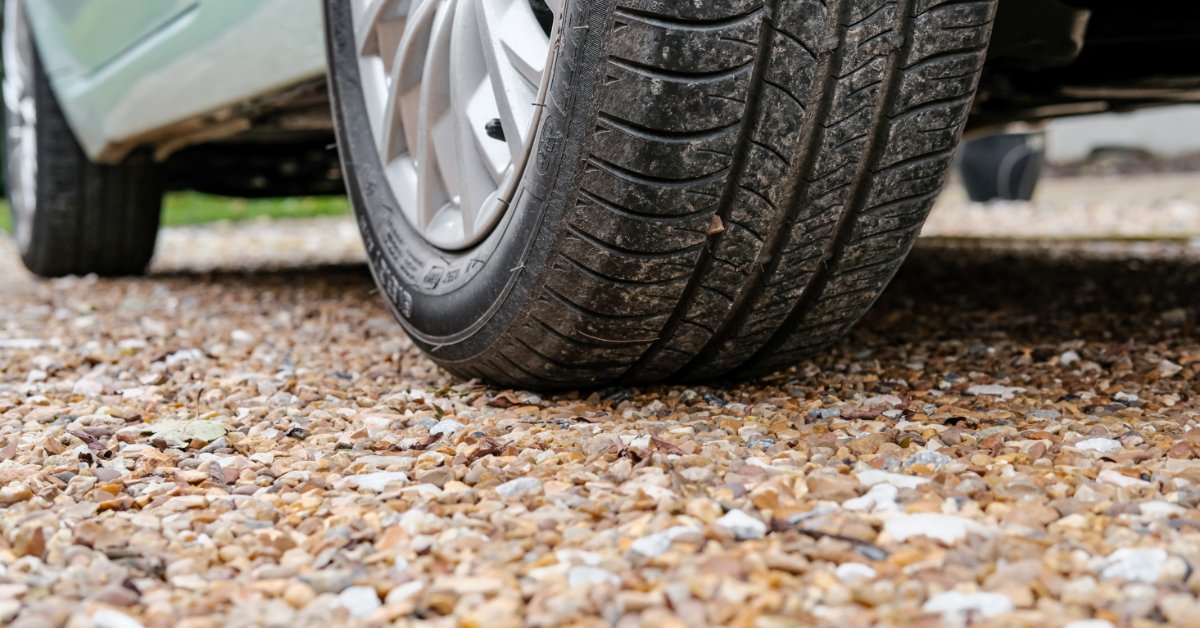
Correct tire pressure remains one of the most important factors for gravel road performance. Overinflated tires create a smaller contact patch, which reduces traction on loose surfaces.
Excess pressure also increases the risk of punctures because the tire cannot absorb impacts as effectively. Underinflated tires create excessive sidewall flex and generate heat that damages internal tire structures.
Drivers should check tire pressure at least once each month and before long rural trips. Temperature changes also affect tire pressure throughout the year. Morning pressure checks provide the most accurate readings because heat from driving raises internal air pressure. Following manufacturer recommendations helps balance traction, comfort, and tire durability.
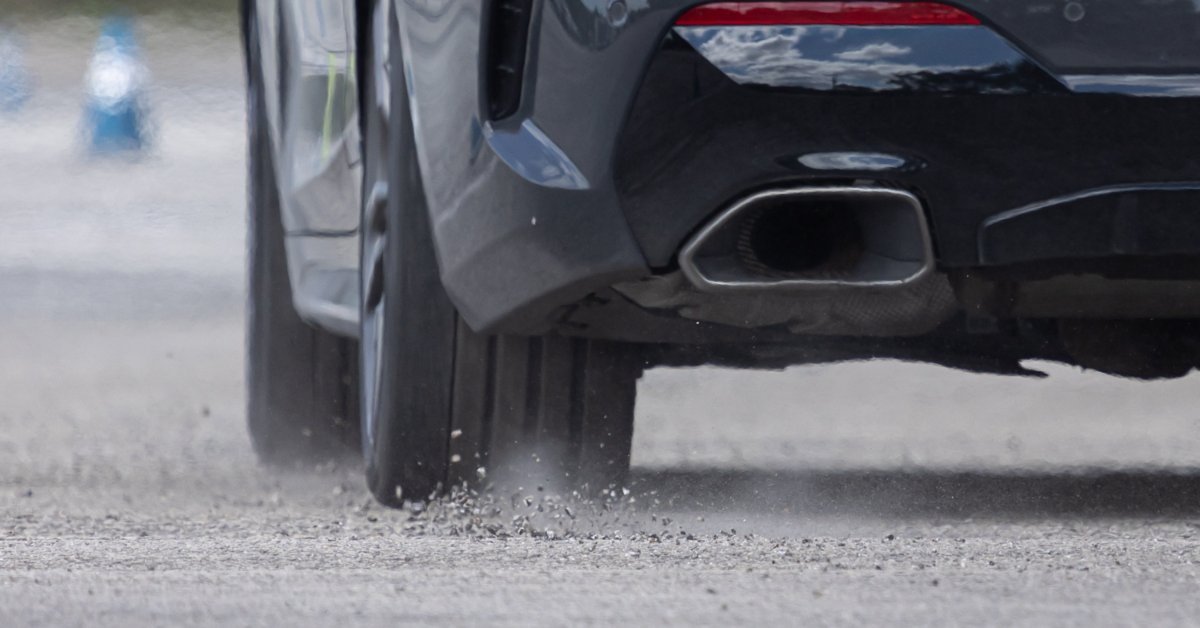
Speed plays a major role in tire wear and vehicle safety on gravel roads. Higher speeds cause rocks to strike tires with greater force, which increases the likelihood of cuts and punctures. Fast driving also creates more tire slippage during braking and cornering. Controlled speeds help tires maintain steady traction across loose surfaces.
Slower driving reduces the amount of gravel thrown against the undercarriage and wheel wells. Excessive flying debris can damage suspension parts and paint over time. Drivers should also avoid sudden steering movements because loose gravel limits tire grip. Smooth acceleration and braking help preserve tread life while improving vehicle control.
Gravel road driving often causes uneven tire wear patterns. Front tires usually wear faster because they handle steering input and most braking forces. Trucks and SUVs that carry heavy loads may also develop irregular wear across rear tires. Frequent tire rotations help distribute wear evenly and extend overall tire life.
Most rural drivers benefit from tire rotations every 5,000 to 6,000 miles. Drivers who regularly tow equipment or travel rough back roads may require more frequent service intervals. Rotating tires also allows technicians to inspect tread depth and identify developing issues early. Early detection helps prevent expensive tire replacements and roadside problems.
Sidewall damage often develops gradually on gravel roads. Sharp stones can cut or scrape the tire sidewall during daily driving. Small cracks and punctures may not cause immediate air loss, but they weaken the tire’s structure over time. Drivers should visually inspect tires after driving on rough roads or through construction areas.
Embedded rocks inside tread grooves also create long-term problems if drivers ignore them. Stones trapped in the tread can drill deeper into the rubber during repeated driving cycles. Removing debris during regular inspections helps protect the tire from hidden punctures. Drivers should also check for bulges or exposed cords because these signs indicate serious internal damage.
Rough gravel roads frequently knock vehicles out of alignment. Deep potholes, washboard surfaces, and uneven terrain place constant stress on suspension components. Poor alignment causes tires to wear unevenly and reduces steering stability. Drivers may notice pulling, vibration, or uneven tread patterns when alignment issues develop.
Routine alignment inspections help prevent premature tire wear and improve overall handling. Vehicles that frequently travel gravel roads often require alignment service more often than city-driven vehicles. Proper alignment keeps the tire contact patch evenly distributed across the road surface. Balanced tire wear also helps drivers maximize fuel efficiency and ride comfort.
Consistent maintenance habits help rural drivers avoid unexpected tire problems and expensive repairs. Gravel roads place constant stress on tires, so small maintenance steps provide long-term benefits. Drivers who stay proactive often experience fewer roadside emergencies and better overall tire performance. Strong maintenance habits also improve safety during long drives through isolated areas.
Rural drivers should focus on these important tire care practices:
These habits help extend tire life while reducing the risk of breakdowns on remote roads. Preventive maintenance also helps drivers avoid costly suspension and alignment problems. Consistent inspections create better long-term performance for both tires and vehicles. Rural drivers who prioritize tire care often experience smoother and safer daily travel.
Professional tire service is vital for rural drivers on gravel roads, as it plays a critical role for those who spend significant time on them. Experienced technicians can identify uneven wear patterns, hidden punctures, and suspension issues before they create major problems. Professional inspections also help drivers choose tire models that match their specific driving conditions.
RNR Tire Express helps drivers find durable tires designed for demanding rural conditions. Flexible payment options also make tire replacements more manageable for drivers who depend on reliable transportation every day.
Routine tire service protects vehicle performance while reducing the risk of costly roadside issues. Drivers who invest in quality tire care gain improved safety and longer-lasting performance on gravel roads.
By signing up you agree to our Privacy Policy.