Wheels
|
Jul 1, 2019
A wheel alignment is one of those services that drivers notice most after it is finished. The steering steadies, and the tires meet the road the way they were designed to. Still, many drivers put it off because they are not sure what happens in the service bay or whether the process will take up a large part of the day. Knowing what to expect during a professional wheel alignment makes the appointment less mysterious and helps you recognize why precision counts.
Your vehicle usually gives hints before an alignment issue turns into a bigger tire problem. If you notice any of the following symptoms, it may be time to schedule an alignment inspection:
These warning signs should not be ignored, since alignment problems can affect tire life and handling.
When you arrive, the service team will usually ask what you have noticed on the road. Those details guide the inspection because alignment problems do not always show up the same way on every vehicle. A driver who mentions vibration or recent curb contact gives the technician useful context before the vehicle reaches the rack.
This is the right time to mention any recent tire replacement or suspension work. If you are shopping for tires in Vicksburg, MS, RNR Tire Express connects tire service with alignment care so that your new set has a better chance of wearing evenly from the start. Clear communication at check-in sets the appointment up for a more accurate result.
Before making adjustments, the technician checks the parts that determine how the vehicle sits and steers. Alignment equipment is precise, but worn components still need attention because the numbers on the screen only tell part of the story. A loose tie rod or weak ball joint could prevent the alignment from holding properly.
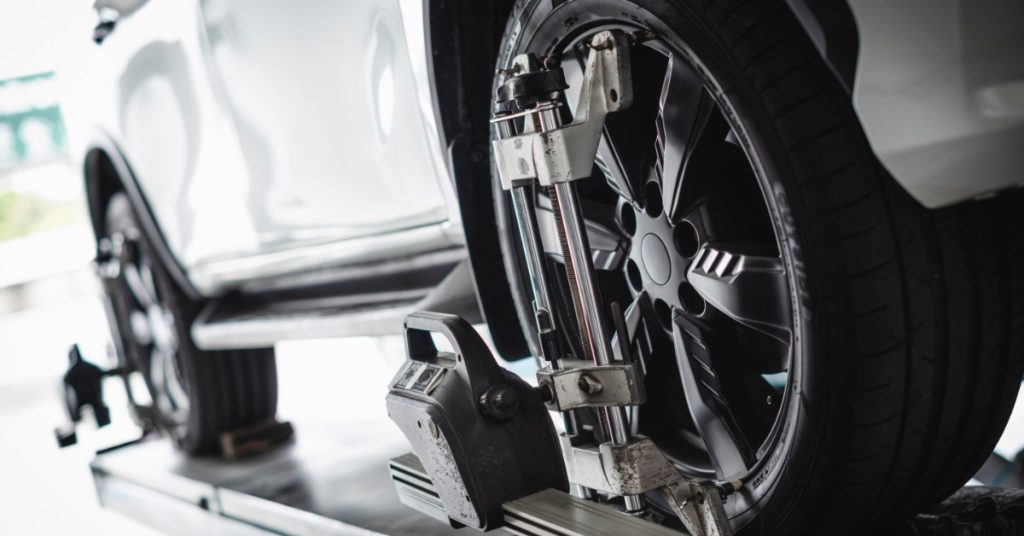
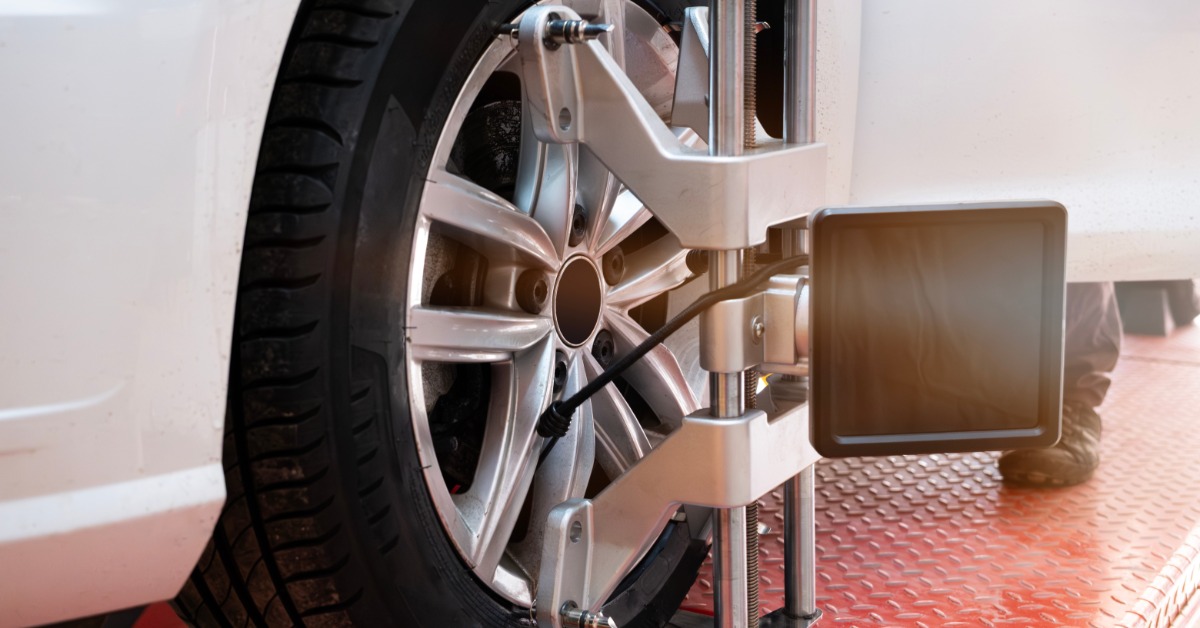
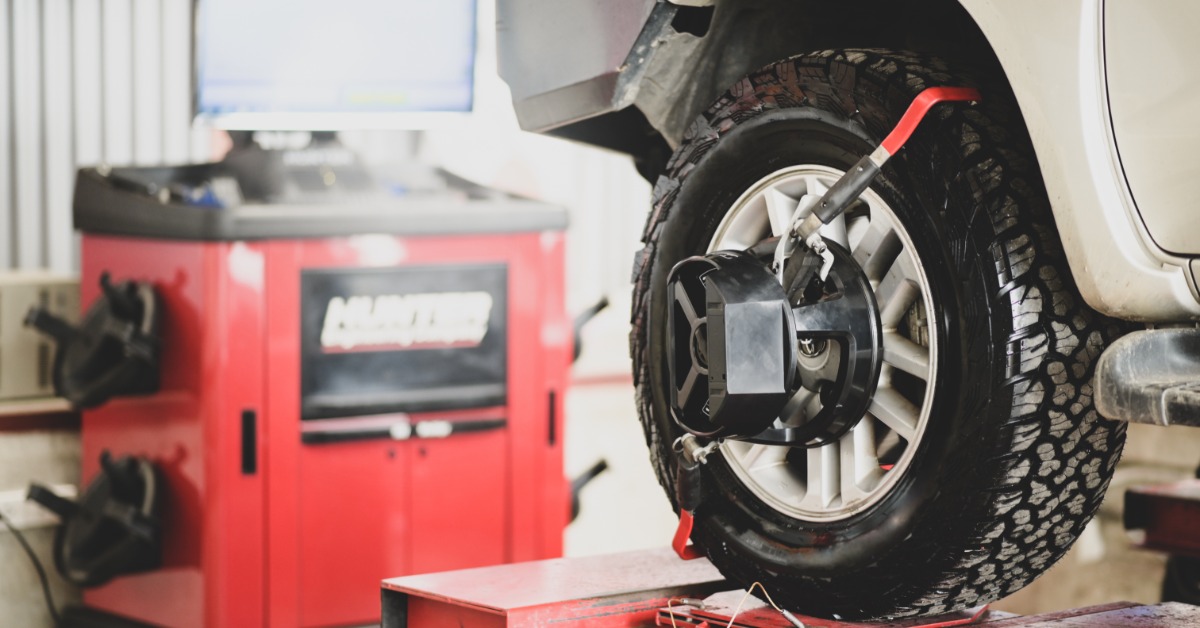
The technician will inspect tire condition and air pressure as part of the setup. Low pressure or uneven tread depth changes how the vehicle rests on the alignment rack. Once the vehicle is secured, sensors or targets are attached to each wheel so the system can accurately read the current angles. This first phase keeps the work grounded in the vehicle’s condition, not just the symptoms the driver noticed.
The primary alignment measurements include camber, caster, and toe. Camber describes how much a tire leans inward or outward when viewed from the front of the vehicle. Toe describes whether the tires point slightly inward or outward when viewed from above. Caster relates to steering stability and the angle of the steering pivot.
During the adjustment, the technician compares your vehicle’s readings to the manufacturer’s specifications. Small changes make a noticeable difference in how the vehicle drives because even slight angle errors create extra friction at the tire’s contact patch. The technician adjusts the appropriate components, then checks the readings again to confirm that the wheels are where they should be.
This process is not guesswork. Modern alignment equipment gives real-time measurements, and the technician uses those readings to bring the vehicle back into spec.
A standard alignment appointment usually does not take a full day. The exact timing depends on the vehicle’s condition and how far the alignment angles have moved out of range. Some vehicles need simple adjustments, and others require more careful correction.
The process takes longer when the technician finds worn or damaged parts during inspection. That extra time is not a delay for its own sake. It protects the value of the alignment because an adjustment made on unstable parts will not serve the driver well. A rushed appointment might miss the cause behind the symptom, which puts the same problem back on the road.
After the service, you should receive an explanation of what changed. Many shops provide a printout that shows the alignment readings before and after the adjustment. The report helps you see which angles were out of range and how the final settings compare with the vehicle’s specifications.
The technician might explain tire-wear concerns or driving symptoms noted during the appointment. That conversation gives you a clearer picture of your vehicle’s condition. It turns the alignment from a quick service into useful information you take with you.
After a proper alignment, the vehicle should drive straighter and respond more evenly to steering input. The steering wheel should sit closer to the center on a level road. If the vehicle had been pulling before, the improvement will be easy to notice during the first drive.
Tires that already have severe uneven wear will not look new after an alignment. The service corrects wheel angles, but it does not reverse tread damage that has already happened. That is why prompt attention is essential to keep your tires in the best condition possible for longer. Fresh alignment settings work best when the tires still have enough healthy tread to benefit from the correction.
Most drivers should have alignment checked at least once a year or whenever they install new tires. It is smart to schedule a check after hitting a curb, driving through a deep pothole, or noticing a sudden change in steering behavior. These events place stress on the steering and suspension system.
Driving habits and road conditions influence the schedule. Gulf Coast drivers deal with heat, rain, construction zones, and rough patches of pavement that put tires through plenty of work. Regular checks protect the investment you’ve made in your tires.
Wheel alignment is ultimately about keeping your vehicle responding the way it was designed to on the road. Knowing what to expect during a professional wheel alignment makes it easier to stay proactive when handling changes or when tire wear begins to appear. Visit RNR Tire Express to learn more about alignment services and tire care for your vehicle.
By signing up you agree to our Privacy Policy.