Wheels
|
Jul 1, 2019
A car can feel perfectly normal one day, then start drifting, shaking, or wearing through tires faster than expected the next. Many drivers notice these changes and assume the tires, steering wheel, or road conditions are the problem. In many cases, wheel alignment sits at the center of the issue.
Wheel alignment affects how your tires meet the road, how your vehicle tracks in a straight line, and how much control you feel behind the wheel. This is why wheel alignment services are so crucial to a vehicle’s functionality and longevity. Keep reading to understand what can happen if you don’t get your wheels aligned.
Wheel alignment refers to the angle and position of your wheels in relation to your vehicle and the road. Technicians measure specific angles, such as camber, caster, and toe, then adjust them so your tires make proper contact with the pavement. These angles affect tire wear, steering response, handling, and overall ride quality.
Alignment does not involve adjusting the tires themselves. Instead, it involves the suspension and steering components that control how each wheel sits and moves.
Your wheels can fall out of alignment after a hard hit, such as striking a pothole, curb, or road debris. Even a single impact can shift suspension geometry enough to affect how your vehicle drives.
Normal driving can also affect alignment over time. Rough roads, speed bumps, construction zones, and worn suspension parts can all change how your wheels sit.
One of the most significant things that can happen if you don’t get your wheels aligned is shortening the lifespan of your tires. When the wheels do not point in the correct direction, the tires may scrub against the road instead of rolling cleanly. That extra friction wears down the tread more quickly.
Misalignment can also create uneven tread wear. One edge of the tire may wear faster than the other, or the tread may develop feathered, cupped, or patchy patterns.
A car with poor alignment may pull left or right while you drive. At first, the pull may feel slight, especially on roads with a natural slope. Over time, it can become strong enough that you need to keep steady pressure on the steering wheel just to stay in your lane.
This constant correction can make driving more tiring, especially on longer trips or busy highways. When your car does not naturally track straight, you have less confidence in how it will respond when traffic suddenly slows or road conditions change.
A crooked steering wheel can point to an alignment issue. You may drive straight down the road while the steering wheel sits slightly turned to one side. That small detail can become annoying, but it can also signal that the wheels no longer line up correctly.
An off-center wheel can affect your connection to the vehicle. When the steering wheel position does not match the direction of travel, your hands and eyes receive mixed signals.
Alignment problems can change the way your vehicle feels on the road. Tires that drag or wear unevenly may create vibration, noise, or a rougher ride. You may feel shaking through the steering wheel, seat, or floorboard, especially at higher speeds.
A rough ride can also come from tires with irregular tread wear because of alignment problems. Once the tread becomes uneven, the tire may no longer roll smoothly.
Poor alignment can force your vehicle to work harder. When tires do not roll straight, they create extra resistance against the road. The engine then needs more energy to keep the car moving at the same speed.
That added resistance may lower fuel economy over time. The difference may not feel dramatic during one trip, but it can add up through daily commutes, errands, school drop-offs, and weekend drives.
Misalignment does not only affect tires. It can also place extra strain on suspension and steering parts. Components such as tie rods, ball joints, control arms, and bushings may deal with additional stress when the wheels pull against their intended position.
Over time, that stress can contribute to more wear throughout the front end of the vehicle. A simple alignment issue can become more expensive if worn parts enter the picture.
Your brakes may still function with poor alignment, but the vehicle may not feel as stable when you slow down. Uneven tire contact can affect how the car responds during braking. If one tire grips differently than another, the vehicle may feel like it wants to shift or pull.
This can matter most during sudden stops, wet conditions, or heavy traffic. Good alignment helps each tire maintain more consistent contact with the pavement.
Mississippi drivers deal with heavy rain, slick pavement, and standing water at different points throughout the year. Tires need even tread contact to move water away and maintain traction. When poor alignment creates uneven wear, your tires may lose some of that ability.
A tire with worn edges or patchy tread may not grip wet roads as well as a properly worn tire. That can increase the chance of sliding, hydroplaning, or losing control during a turn.
Drivers sometimes ignore alignment symptoms because the vehicle still runs. The car starts, turns, and stops, so the issue may not feel urgent. Unfortunately, alignment problems tend to create chain reactions when left alone.
Uneven tire wear can cause vibration, vibration can add stress to suspension parts, and worn suspension parts can make alignment harder to maintain. By the time the vehicle feels hard to control, the repair may involve more than a simple adjustment.
Your vehicle may need an alignment check if it pulls to one side, the steering wheel sits crooked, or the tires show uneven wear. You may also notice vibration, squealing tires, or a steering wheel that feels loose or restless. These signs do not always mean alignment is the problem, but they do mean the vehicle deserves attention.
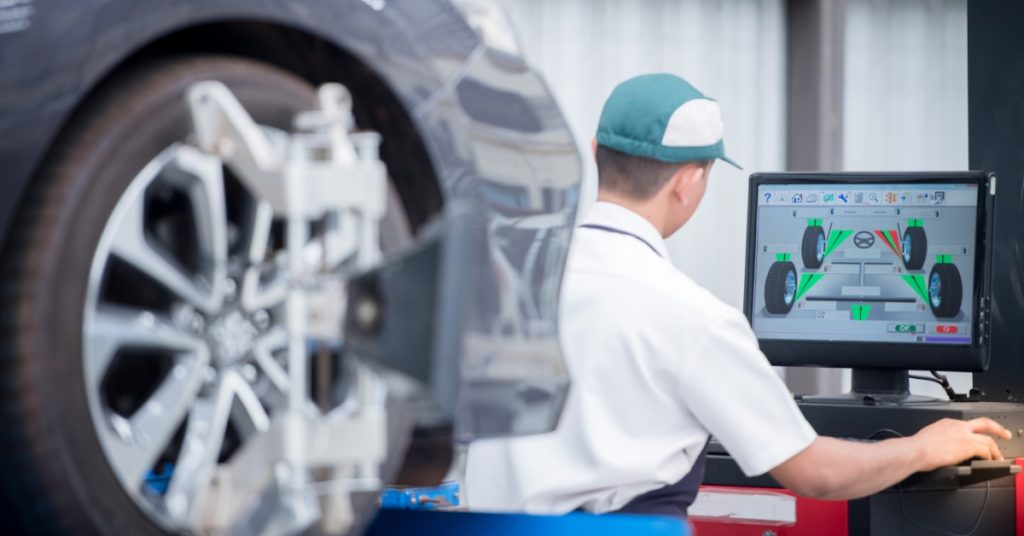
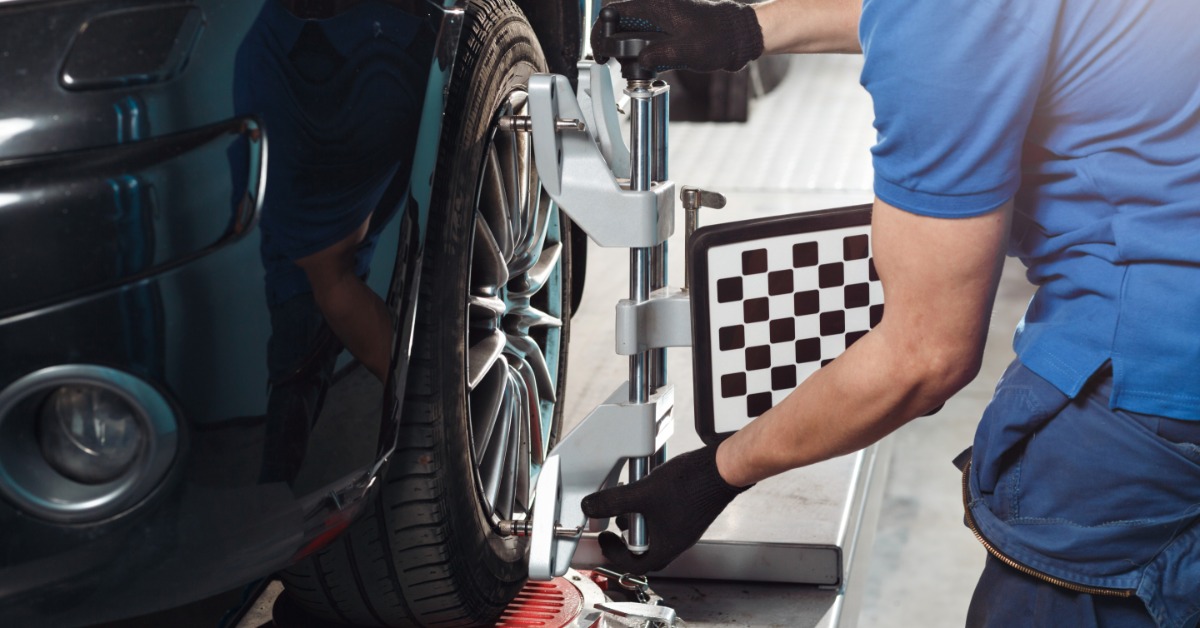
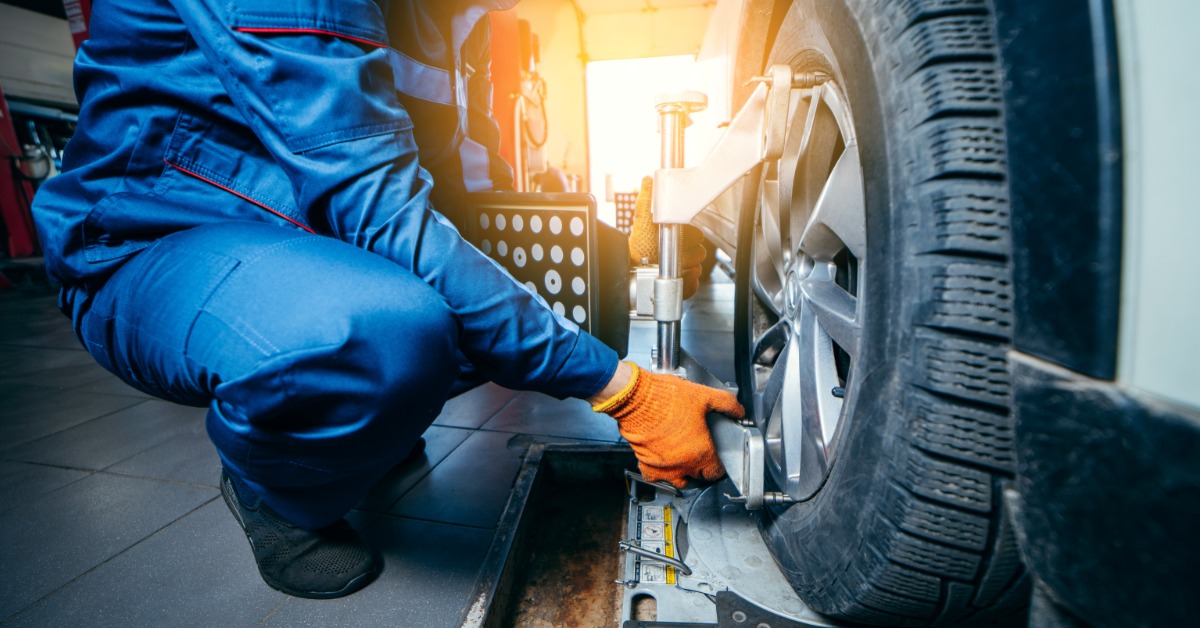
Wheel alignment requires precise equipment and trained technicians. A vehicle can look fine from the outside while the angles sit outside manufacturer specifications. Professional alignment equipment measures those angles accurately, then guides the adjustments necessary to bring the vehicle back into proper range.
Wheel alignment affects much more than whether your vehicle drives straight. Poor alignment can wear out tires early, reduce handling, strain suspension parts, lower fuel efficiency, and make wet-road driving feel less secure. A timely alignment check helps protect your tires, your ride quality, and your confidence behind the wheel.
If your vehicle pulls, vibrates, or shows uneven tread wear, visit RNR Tire Express for help with alignments, wheels, and tires in Meridian, MS. Our expert tire team will make sure your vehicle’s suspension and tires are safe and ready to hit the road!
By signing up you agree to our Privacy Policy.