Tires
|
May 30, 2019
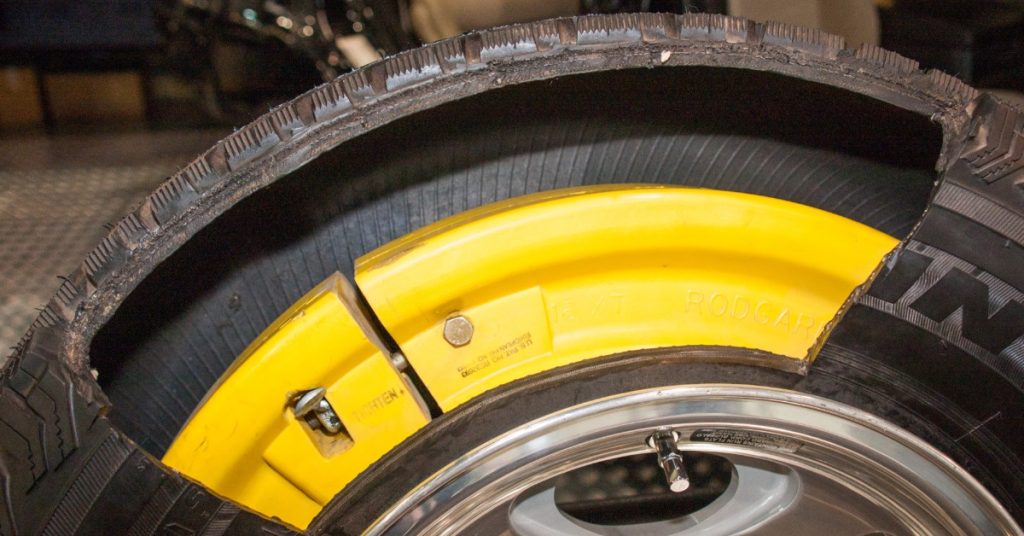
A flat tire does not care if you are late for work or halfway through a weekend drive. Run-flat tires and how they work are worth understanding before a low-pressure warning ever lights up your dashboard. They are not magic, but they are one of the more interesting tire upgrades drivers ask about for safety and convenience.
A standard tire depends on air pressure to hold its shape. Once that pressure escapes, the sidewalls fold, and the tire risks shredding apart.
Run-flat tires are built to keep rolling for a limited distance after losing air pressure. Instead of collapsing immediately, they use reinforced construction that carries the vehicle when normal inflation is gone.
Most run-flats pair with a tire pressure monitoring system. The warning light is important because the tire won’t look completely flat at first. It tells the driver that pressure has dropped. Most run-flats are rated for a limited distance at a reduced speed after pressure loss, so the next step should be service.
Run-flat technology usually falls into two categories. Both keep the vehicle moving after air loss, but they do it in different ways.
Self-supporting run-flats use stronger sidewalls to hold up the vehicle when air pressure drops. The sidewall carries more of the load than it would in a standard tire. Self-supporting run-flats are the most common version on many passenger vehicles. It fits into standard wheel setups more easily than support-ring systems do, though it still requires approved vehicles.
Support-ring run-flats use a firm internal ring mounted around the wheel. When pressure drops, the vehicle’s weight rests on that ring instead of a collapsed tire casing. The design is less common for everyday drivers. It appears more in specialty applications, like high-performance sports cars, because it requires a specific wheel setup.
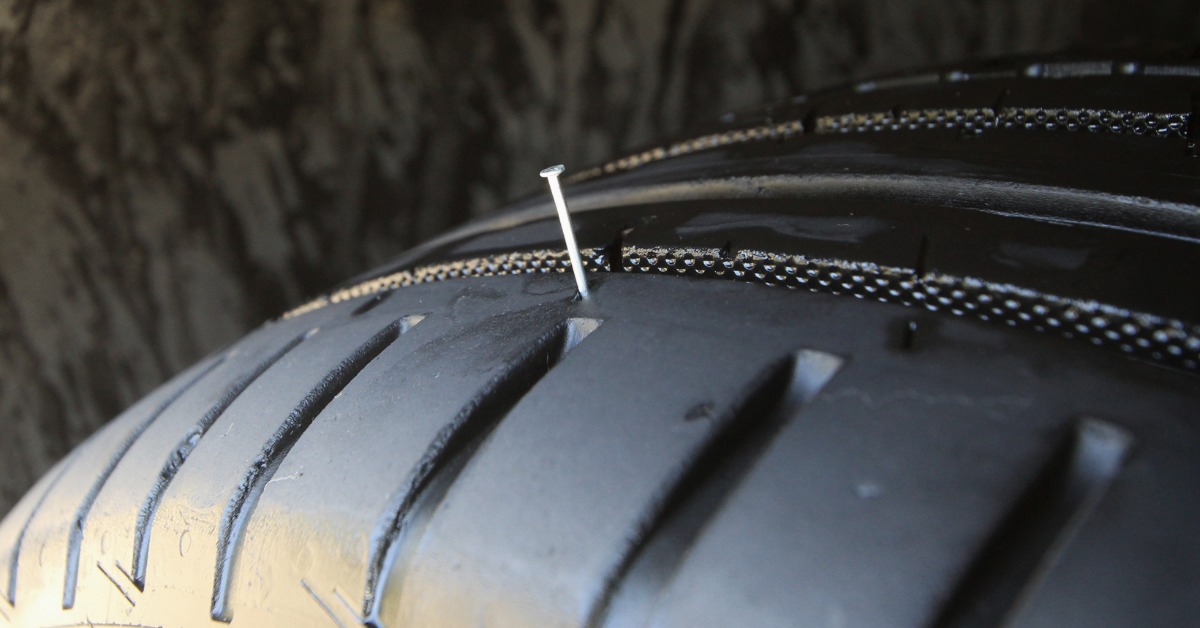
Run-flats appeal to drivers who want more control after a puncture. Their value shows up when a tire fails.
The biggest advantage is control. A tire that keeps its shape after air loss ensures the vehicle responds more predictably than a fully collapsed tire. If you’re driving on the highway, that stability counts. Instead of making a sudden move toward the shoulder, the driver has more time to slow down and stop safely.
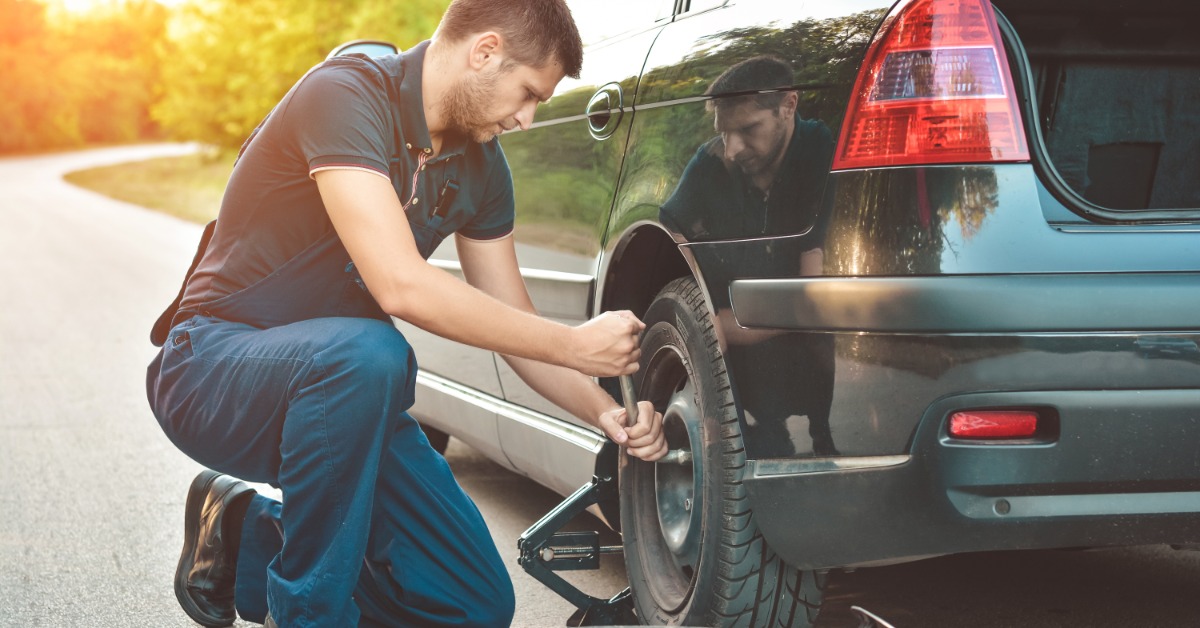
Run-flats reduce the need to change a tire on the side of the road. That is a major benefit during heavy rain or heavy traffic. You should note, however, that run-flats are not a replacement for inspection or service. The tire construction allows the driver to move away from immediate danger and reach a professional more easily.
Some vehicles driving on run-flats do not have a spare tire in the back. No spare means more open space in the vehicle, plus it reduces the car’s weight compared to having a spare. Automakers may use that space for cargo room or different underbody layouts. For drivers, it makes tire condition and pressure monitoring more important.
Run-flats tend to have firmer sidewalls, which develop a more planted response during steering. The tradeoff is that the same firmness changes comfort on rough pavement.
Run-flats solve one problem, but they introduce practical tradeoffs. Drivers should understand those limits.
The reinforced construction that supports the vehicle after air loss makes the ride firmer. Small bumps and road seams feel sharper than they would with many standard tires. This might not bother you, though. Vehicle suspension influences how noticeable the difference is.
Run-flats usually cost more than comparable standard tires. Their internal structure requires additional engineering. The higher price becomes more important when replacing full sets. Drivers shopping for tires in Ocean Springs should compare the total cost, not just the price of one tire.
A punctured run-flat is not always repairable. Driving on it after pressure loss will damage the tire’s internal structure, even when the outside looks usable. A trained tire professional needs to inspect it before making a repair decision. In many cases, replacement is the safer path.
Run-flat availability depends on tire size, vehicle requirements, and brand selection. Some sizes have several choices, while others leave fewer options. Availability matters when a driver needs a replacement quickly. A less common run-flat might require ordering, which could delay the return to normal use.
Even though they handle air loss better than standard tires, run-flats have limits after air loss. Many of these tires are designed for a restricted distance at a reduced speed, and limits vary by tire. The distance is meant to help drivers reach service. It is not meant for finishing a long trip.
Run-flat tread life depends on the tire model, driving habits, alignment, and rotation schedule. Some drivers find the service life is similar to standard tires, whereas others notice faster wear.
The biggest difference is how the tire handles damage after a puncture. Since a run-flat may need replacement after being driven without air, one road hazard could shorten its useful life even when the tread remains.
Run-flats make sense for drivers who value mobility after a puncture. They may fit commuters and people who do not want to handle a spare on the roadside. These tires may not suit every budget or every driving preference. If ride softness and lower replacement costs rank higher, standard tires are the better match.
Run-flats need the same basic care as other tires, but pressure checks are the most important. Because the tire retains its shape after losing air, visual checks alone are not enough. Drivers should respond quickly to tire pressure warnings. Regular rotations and alignment checks ensure the tires wear evenly and reveal problems before they become bigger expenses.
Buying run-flats starts with vehicle compatibility. Not every vehicle should use them, and some vehicles designed for run-flats need the correct tire type to maintain the intended ride and safety performance.
Expect a tire professional to check size, load rating, speed rating, and manufacturer recommendations. RNR Tire Express helps drivers review tire options and payment options without complicating the process.
A tire problem should not turn one rough moment into an unsafe roadside scramble. When drivers understand run-flat tires and how they work, they are better prepared to choose tire options that suit their driving needs. RNR Tire Express makes that decision easier with a wide range of tire options and straightforward guidance.
By signing up you agree to our Privacy Policy.