Tires
|
May 30, 2019
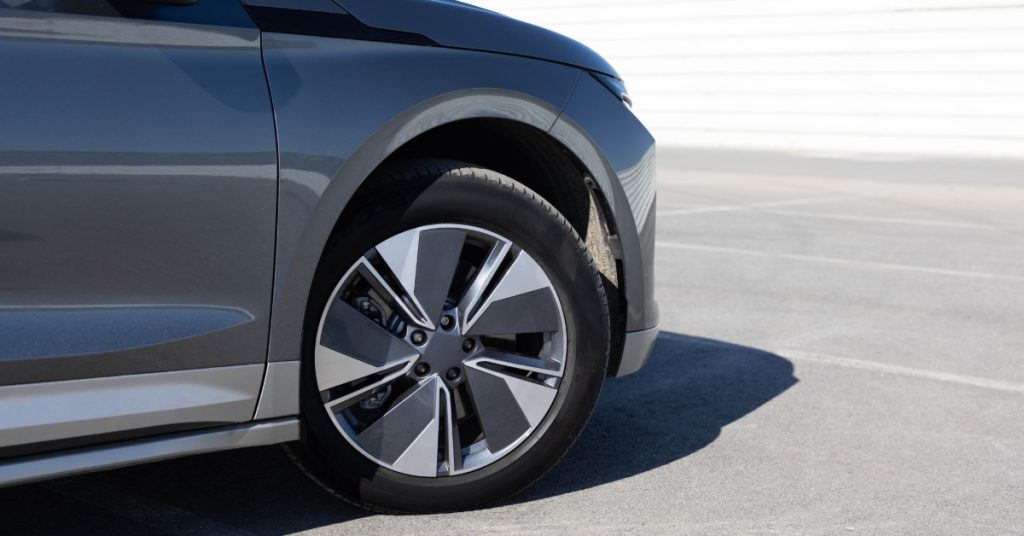
A hybrid does not drive like a standard gas car, even when it looks just as simple from the outside. The quiet launch and quick electric response reach the pavement through one place: the tires. Understanding the reasons why a hybrid car needs special tires can help everyday drivers get the most from their vehicles. The right set ensures your hybrid keeps the smooth, efficient ride you bought it for in the first place.
Hybrid vehicles carry battery packs and electric drive components that add weight beyond a comparable gas-only model. That extra mass presses harder on the tire contact patch, which affects wear and steering response.
Special tires built for hybrids use a construction that handles that load without making the ride harsh. When the tire matches the vehicle’s weight, the car tracks more smoothly and responds with better control. A tire that lacks the proper load support might look fine at first, yet it will work harder mile after mile.
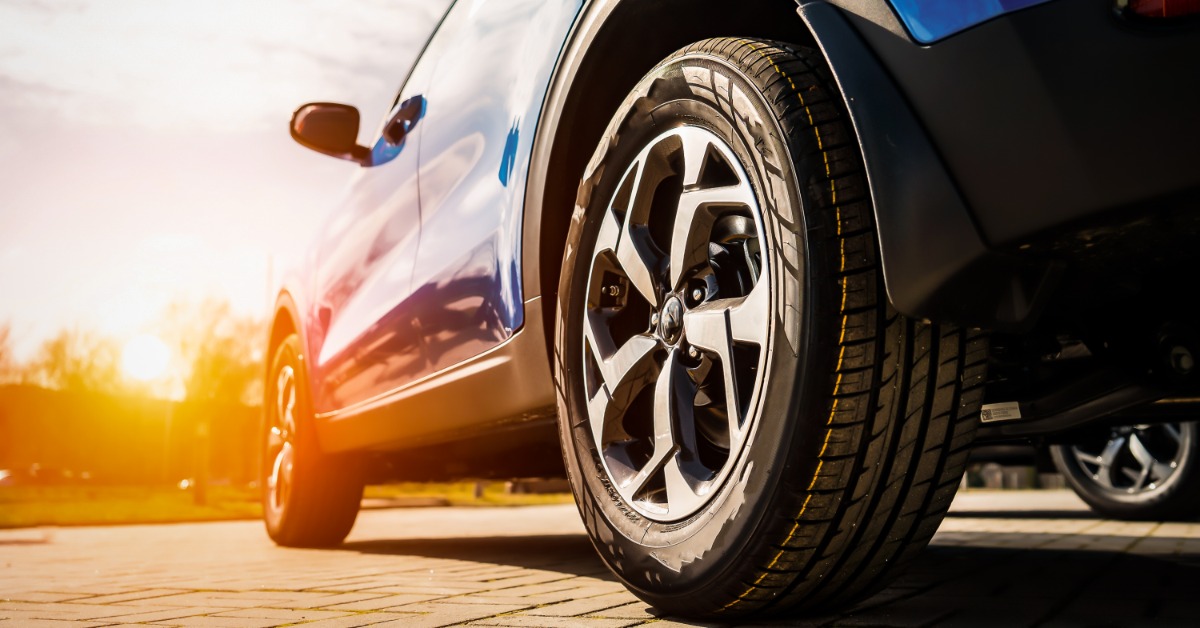
Regenerative braking recovers energy during deceleration and stores it in the battery for later use. This braking style changes how force moves through the tires during everyday stops.
Because the system slows the car differently from standard friction brakes, tread wear could appear in unusual areas. Hybrid-ready tires manage those forces to keep the tread more consistent over time. Consistency helps drivers avoid the rough vibration caused by uneven wear.
Rolling resistance describes the effort required to keep the tires moving. A hybrid with lower rolling resistance uses less energy during steady driving.
One reason tire choice matters so much on an efficiency-focused vehicle is its direct impact on performance and fuel savings. The wrong set makes the gas engine work harder, which reduces the savings drivers expect from a hybrid. Even a small change in tire design affects how long the vehicle stays in its most efficient driving range.
Electric motors deliver torque quickly from a stop. The immediate response ensures hybrids feel smooth and confident in city driving, but it puts added stress on the tread.
Hybrid-specific tires use rubber compounds designed to balance grip with durability. They need enough traction for quick launches without wearing down too fast under repeated low-speed acceleration. A more durable compound keeps steering response sharp while maintaining a smooth, controlled ride.
Many hybrids run quietly at low speeds because the electric motor does much of the work. With less engine sound in the cabin, tire noise stands out more than it would in a louder gas vehicle.
Tires made with hybrids in mind reduce road hum through tread design and internal construction. A quieter ride preserves one of the best parts of driving a hybrid: calm, smooth movement through traffic. It also makes daily trips less tiring when the pavement gets rough.
Tread design influences how the tire grips the road and channels water away effectively. On a hybrid, that design needs to support fuel economy without making the vehicle feel loose or slow to respond.
With the right tread pattern, the car stays composed during lane changes and turns. For instance, if you’re choosing tires in Jackson, TN, the right balance of grip and handling gives you a noticeable difference in how the vehicle performs on local roads.
Some hybrids run best with tire pressures that improve efficiency and reduce drag. A tire built for that requirement holds its shape better during daily driving.
Stability is important for the tread to meet the pavement as intended. When pressure, load rating, and tire design work together, the vehicle maintains better steering and energy use. This is why pressure checks matter more when a driver wants the hybrid system to perform as designed.
A tire’s sidewall does more than absorb bumps. It keeps the vehicle stable when weight shifts during turns and uneven road conditions.
Hybrid tires feature reinforced sidewalls that handle the added weight of the battery while maintaining a comfortable ride. The strength ensures the car remains stable, improving driver confidence on longer commutes and busy roads. A well-supported sidewall also helps the tire hold its shape during sharper steering inputs.
Hybrid driving puts tires through a mix of electric acceleration and frequent energy-recovering stops. A standard tire might handle one part well, but wear faster when all those demands happen together.
Hybrid-focused tires aim for steadier performance across the full tread life. That means drivers get more consistent grip and comfort, rather than a tire that starts strong and fades too soon. Longer-lasting performance protects the value of the tire purchase.
A mismatched tire changes the way a hybrid uses energy. It may force the vehicle to respond less predictably during sudden maneuvers.
Safety hinges on more than tread depth alone. The tire needs the right load rating, speed rating, pressure capability, and road behavior for the hybrid’s design. When those details do not line up, the vehicle loses some of the smooth control drivers expect.
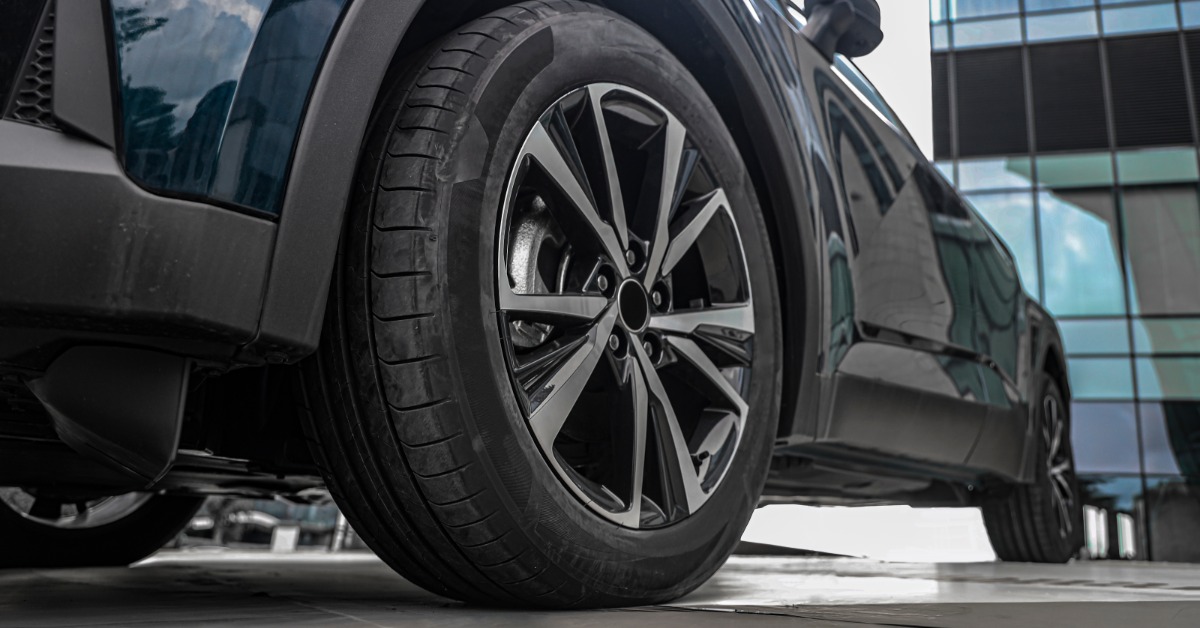
Automakers test vehicles with tires that match their engineering targets. When they recommend hybrid-specific tires, that guidance reflects the way the vehicle’s added battery weight and unique power delivery affect its overall performance.
Following the recommended tire type preserves the driving experience the manufacturer intended. It supports the systems drivers rely on every day, from stability control to efficient battery use.
Eco-focused drivers still need confident traction in changing weather. A hybrid tire with all-season capability balances efficiency with the dependable grip drivers rely on every day.
This balance is valuable in regions where rain and changing road conditions affect driving. Hybrid cars with the right tires keep their practical edge in more conditions. Efficiency becomes something useful even in nonideal weather.
Your hybrid is designed to maximize fuel efficiency and get more miles per gallon, so its tires should not work against it. Understanding the reasons why your hybrid car needs special tires turns tire shopping into a smarter part of owning an efficient vehicle. Before your next set goes on, stop by RNR Tire Express and talk with a tire specialist about options that fit your hybrid’s daily driving needs.
By signing up you agree to our Privacy Policy.