Tires
|
May 30, 2019
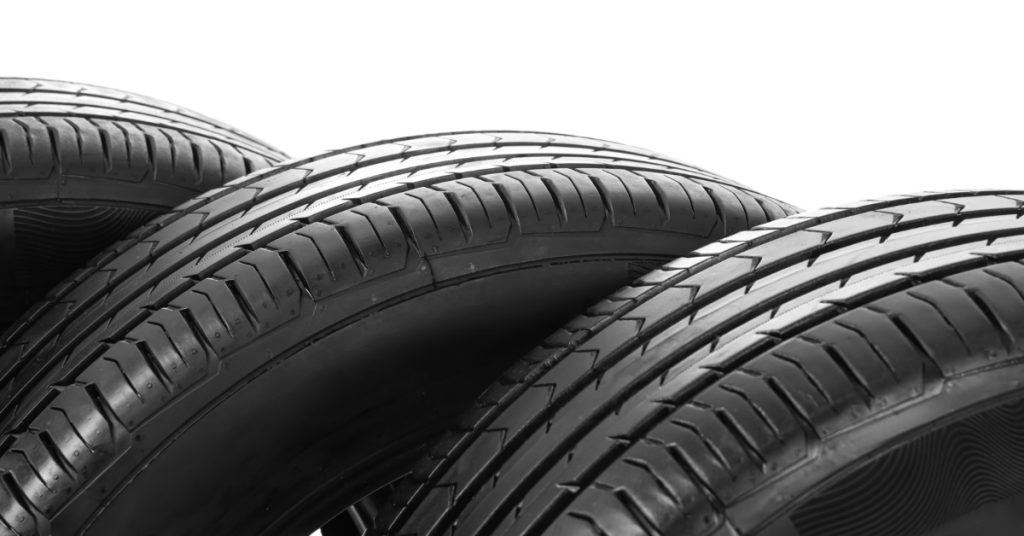
Tires play a critical role in how a vehicle rides and performs on the road. Many drivers focus on tread design, tire size, and brand reputation when shopping for new tires. Tire uniformity, however, remains one of the most important factors affecting overall driving comfort and performance.
Understanding tire uniformity and why it matters helps drivers make informed decisions when selecting replacement tires and maintaining their vehicles. Let’s explore how tire uniformity affects your vehicle and driving capability.
Tire uniformity refers to how consistently a tire maintains its shape and structural characteristics as it rotates. A uniform tire rolls smoothly and maintains even contact with the road surface throughout each revolution. Manufacturers design tires to meet strict uniformity standards that support ride quality and vehicle stability.
Even minor variations within a tire can influence how it performs. These variations may affect ride comfort, steering feel, and overall vehicle smoothness. Tire manufacturers use advanced testing equipment to identify and minimize these differences before tires reach consumers.
Uniformity directly impacts the driving experience in several important ways. A tire with strong uniformity characteristics delivers a smoother ride and reduces unwanted vibrations. Drivers often notice improved comfort during highway travel and daily commuting.
Vehicle components also benefit from consistent tire performance. Excessive vibration can place additional stress on suspension parts and wheel bearings. Improved tire uniformity reduces unnecessary wear and supports long-term vehicle reliability.
Uniform tires also contribute to a quieter cabin environment by minimizing vibration-related noise. Consistent road contact helps maintain predictable vehicle behavior during acceleration and braking. Drivers often experience better steering response when tires roll evenly across the pavement.
Tire manufacturers use specialized machines to evaluate uniformity during production. These machines simulate real-world driving conditions by pressing the tire against a rotating drum. Sensors then measure variations in force, shape, and balance as the tire rotates.
Engineers analyze this data to identify any irregularities. They compare results against strict quality standards before approving tires for distribution. This process helps ensure drivers receive products that perform consistently on the road.
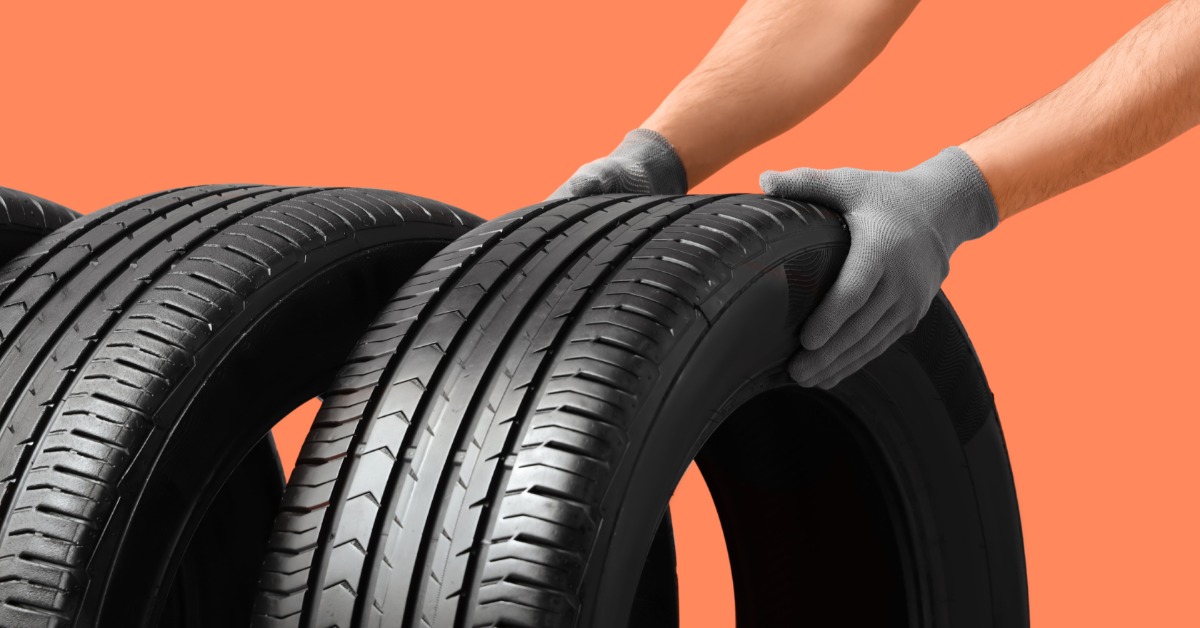
Several manufacturing and material-related factors influence tire uniformity. Tire construction involves numerous components that must work together with precision. Small inconsistencies can affect the final product if manufacturers do not maintain tight quality controls.
Common factors that influence tire uniformity include:
Leading tire manufacturers invest heavily in quality control processes. These efforts help minimize inconsistencies and improve overall tire performance.
Radial force variation represents one of the most important measurements in tire uniformity testing. This condition occurs when different areas of a tire exert varying amounts of force against the road surface during rotation. Even a tire that appears perfectly round can exhibit radial force variation.
Drivers may experience vibrations when radial force variation exceeds acceptable levels. These vibrations often become more noticeable at higher speeds. Manufacturers carefully measure and control radial force variation to improve ride quality and reduce customer complaints.
Many drivers associate a comfortable ride with suspension quality alone. Tires contribute significantly to comfort because they provide the first point of contact between the vehicle and the road. Uniform tires absorb road irregularities more consistently and create a smoother driving experience.
Poor uniformity can create subtle vibrations that travel through the steering wheel, floorboards, and seats. Over time, these sensations become frustrating and may reduce overall driving satisfaction. High-quality tires with excellent uniformity characteristics help maintain comfort across a wide range of driving conditions.
Handling performance depends on consistent contact between the tire and the road surface. Uniform tires maintain predictable behavior while the vehicle is in motion. Drivers benefit from more precise steering response and greater confidence behind the wheel.
Non-uniform tires may create inconsistencies in vehicle behavior. Steering may feel less responsive, and the vehicle may not track as smoothly at highway speeds. Strong tire uniformity supports better control and contributes to overall driving safety.
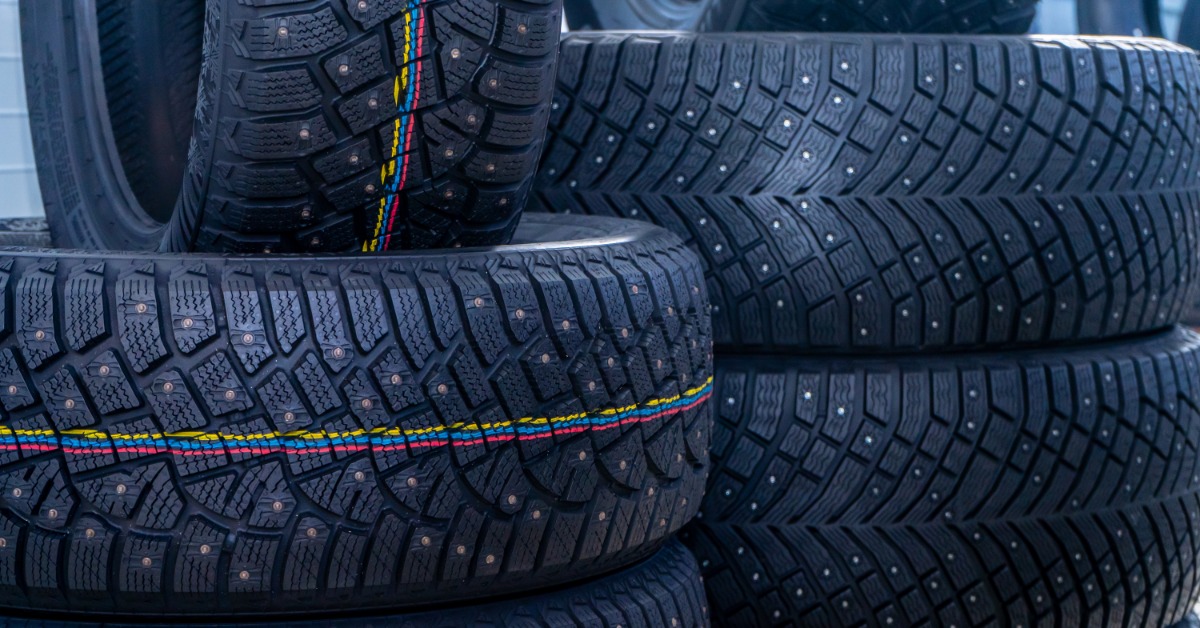
Drivers may notice several symptoms when tire uniformity issues exist. Some symptoms resemble wheel-balance or alignment problems, making a professional inspection important. Identifying the root cause allows technicians to recommend appropriate solutions.
Common signs of uniformity-related issues include vibrations at specific speeds. Drivers may also notice steering wheel shake, uneven ride quality, or recurring balancing concerns. Professional tire inspections help determine whether tire uniformity contributes to these symptoms.
Modern tire shops use advanced equipment to improve overall ride quality. Road force balancing machines measure tire and wheel characteristics under load conditions that simulate actual driving. Technicians can use this information to optimize tire and wheel assembly performance.
In some cases, technicians perform match mounting procedures. This process aligns specific points on the tire and wheel to minimize variation in force. Drivers shopping for tires in Corpus Christi can find reliable options at RNR Tire Express. We offer reliable tires that fit your vehicle well and maintain tire uniformity.
Price, warranty coverage, and tread life remain important considerations when selecting tires. Tire uniformity deserves equal attention because it directly affects everyday driving satisfaction. Premium manufacturers often invest more resources into quality control and uniformity testing.
A tire with strong uniformity characteristics can deliver smoother performance throughout its lifespan. Drivers often notice fewer vibration issues and better ride quality from the start. Choosing high-quality tires helps maximize comfort, stability, and long-term value.
Tire uniformity is vital to a vehicle’s overall driving performance. Manufacturers use sophisticated testing methods to ensure tires meet strict standards before reaching consumers. Understanding how uniformity affects tire behavior helps drivers make more informed purchasing decisions.
When vibration concerns arise, professional inspections and advanced balancing procedures can identify potential uniformity issues. Investing in quality tires with strong uniformity characteristics supports a smoother ride and greater confidence on the road. Drivers who prioritize tire quality often experience improved comfort and longer-lasting satisfaction from their tire investment.
RNR Tire Express helps drivers find dependable tires that deliver excellent performance, comfort, and value. The team offers flexible payment options and expert guidance to help customers select the right tires for their vehicles. Visit RNR Tire Express today and stop by the tire shop to purchase your next set of tires.
By signing up you agree to our Privacy Policy.