Wheels
|
Jul 1, 2019
A smooth drive can change fast when your wheels fall out of balance. One day, your car feels steady on the road, and the next, the steering wheel shakes, the seat vibrates, or the tires sound louder than usual. Those changes point to stress moving through your tires, wheels, suspension, and steering system.
Wheel balance plays a major role in how your vehicle feels at different speeds. When even a small amount of weight sits unevenly around a tire and wheel assembly, the vehicle may react every time that wheel rotates. Below, we explain what can happen if your wheels aren’t balanced.
Wheel balancing helps make sure the weight of each tire and wheel assembly spreads evenly as it spins. A technician places the assembly on a balancing machine, identifies heavy and light spots, and adds small weights to correct the imbalance. Once the weight sits where it should, the tire can roll more smoothly at speed.
While some think of wheel balancing and alignment as the same thing, they differ significantly. Alignment adjusts the angles of the wheels so that they meet the road correctly, while balancing corrects how the tire and wheel spin together. Both services support tire life, handling, and ride comfort, but they solve different problems.
Wheels can become unbalanced through normal driving. Tires wear down over time, and that wear does not always happen evenly across the tread. A small shift in tread depth, wheel weight, or tire structure can change the way the assembly rotates.
Road conditions can also play a part. Hitting potholes, curbs, uneven pavement, or debris can knock weights loose or affect how the tire sits on the wheel. Florida drivers may also deal with construction zones, sandy shoulders, heat, rain, and rough parking areas that add stress to tires and wheels.
One of the most common signs of unbalanced wheels is vibration in the steering wheel. The shake may appear at certain speeds, then fade when you slow down or speed up. Many drivers notice it most on highways because faster rotation makes the imbalance easier to feel.
This vibration can make the vehicle feel less refined and less predictable. Even when the car still drives forward, the constant movement through the steering wheel can distract you and make longer trips more tiring. If the shake grows stronger, the imbalance may need attention before it puts extra wear on other parts.
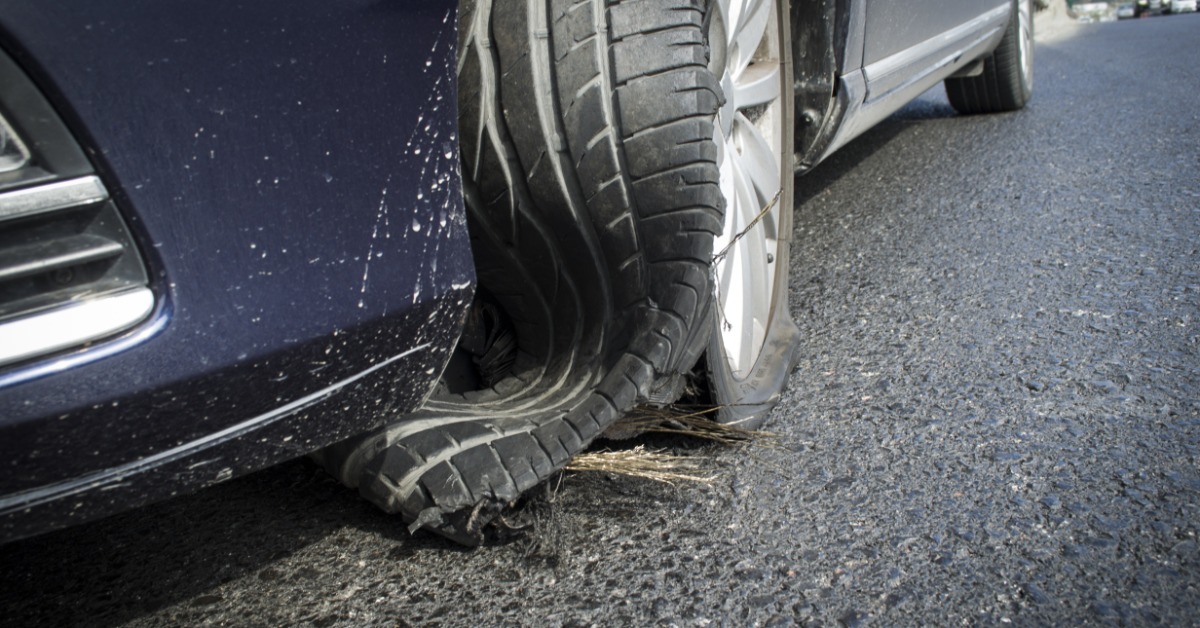
Unbalanced wheels can make your vehicle feel harsher than usual. Instead of rolling smoothly, the tires may bounce or pulse against the road. That movement can travel through the floor, seats, dashboard, or pedals.
A rougher ride does more than affect comfort. It can make the vehicle feel unrestrained over bumps, uneven roads, or curves. When a tire does not rotate smoothly, it can lose some of the planted feel drivers expect from a properly maintained vehicle.
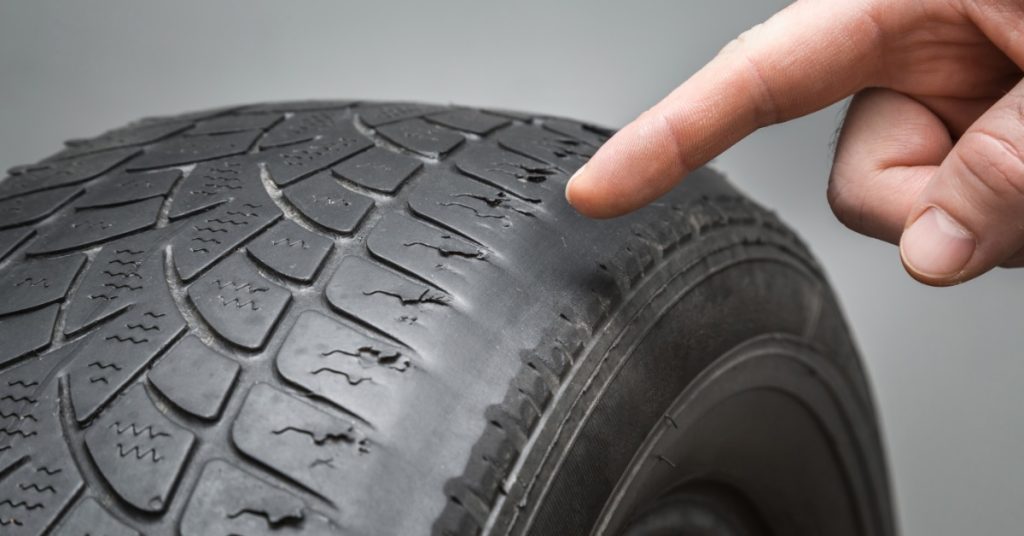
Another thing that can happen if your wheels aren’t balanced is that your tires will wear down more quickly. Tires need consistent contact with the road to wear evenly. When a wheel is out of balance, the tire may hop slightly as it rotates. That motion can create uneven tread wear, flat spots, cupping, or patches that look different from the rest of the tire.
Uneven wear can shorten tire life and affect performance. A tire with irregular tread may get louder, ride rougher, and provide less consistent grip. Replacing a tire is much more expensive than a simple wheel balance.
A vehicle runs best when its tires roll smoothly. Unbalanced wheels can create extra resistance because the tire and wheel assembly does not rotate as cleanly as it should. The engine may need to work harder to keep the vehicle moving at the same speed.
The change may seem small at first, but poor tire condition can affect how efficiently your vehicle uses fuel. Drivers who spend a lot of time commuting, running errands, or traveling across Florida highways may notice the impact more over time.
Your suspension system helps absorb bumps and connects the tires to the road. When wheels remain unbalanced, vibration can move through shocks, struts, bearings, bushings, and other components. Those parts already work hard during normal driving, and added vibration can increase strain.
Over time, that stress can contribute to wear in parts that cost more to repair than a wheel balancing service. The suspension may start to feel loose, noisy, or less controlled.
Unbalanced wheels can also affect steering components. Tie rods, ball joints, and related parts help transfer steering input from the wheel to the tires. Frequent vibration can add pressure to those parts and make existing wear more noticeable.
When steering parts experience wear, the vehicle may feel less responsive or less precise. You may feel play in the steering wheel, hear clunks, or notice the vehicle drifting more than you expect.
Wheel balance does not directly control the brake system, but it can affect how braking feels. If a tire bounces or vibrates as it rotates, you may feel pulsing or shaking when slowing down. That sensation can make it harder to tell whether the issue comes from the tires, wheels, brakes, or suspension.
A technician can inspect the vehicle to narrow down the cause. Since brake concerns can come from several sources, guessing can lead to unnecessary repairs or missed problems.
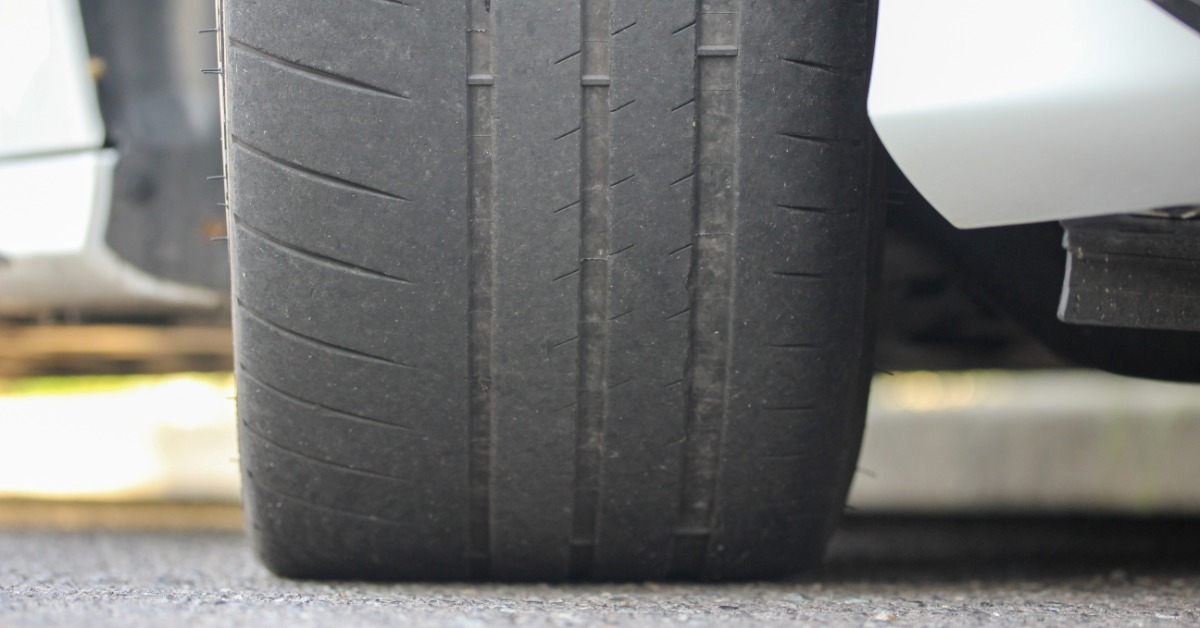
Unbalanced wheels can make tires louder as tread wear changes. Irregular tread patterns may create humming, thumping, or droning sounds that grow with speed. The noise may start as a minor annoyance, then become harder to ignore during daily driving.
Road noise can also make it harder to notice other vehicle sounds. A new hum, rumble, or vibration deserves attention because it can point to tire wear, wheel issues, or bearing problems.
Balanced wheels help your vehicle feel more stable, comfortable, and predictable. They also support even tire wear, smoother steering, and better contact with the road. While wheel balancing may seem like a small maintenance item, it can affect several parts of the driving experience.
Drivers should not wait until vibration becomes severe. Scheduling a service when symptoms first appear can help reduce wear and prevent bigger problems.
Unbalanced wheels can start with a shake, but the effects can move through your tires, steering, suspension, and overall ride quality. When your vehicle feels different on the road, it deserves attention before the problem grows into added wear or costly repairs. For help with tires, wheels, and balancing from a trusted tire shop in Panama City, FL, visit RNR Tire Express. Our team can help you find the right tire and wheel support with flexible payment options that fit your needs.
By signing up you agree to our Privacy Policy.