Tires
|
May 30, 2019

Hybrid vehicles combine a gasoline engine with an electric motor to improve fuel efficiency and reduce fuel consumption. That combination also changes how the vehicle distributes weight, delivers torque, and interacts with the road.
Tires that work well on a conventional car may not provide the same balance of efficiency, comfort, traction, and durability on a hybrid. Keep reading to understand how to choose the right tires for your hybrid car.
Hybrid cars place unique demands on their tires because their battery packs add weight. That additional weight can increase pressure on the tread and sidewalls, especially during acceleration, braking, and cornering. A tire with the correct load capacity helps support the vehicle while maintaining predictable handling.
Electric motors also deliver torque quickly. This immediate response can create faster tread wear when drivers accelerate aggressively or use tires that lack the right durability. Selecting tires that better manage the vehicle’s weight and torque can provide more consistent performance over time.
Every section of a tire’s size code provides important information. A code such as 225/50R17 identifies the tread width, sidewall ratio, construction type, and wheel diameter. Replacing the original tires with the same size helps preserve speedometer accuracy, braking performance, steering response, and clearance around the suspension.
Changing tire size without professional guidance can create unexpected problems. A tire that is too wide may rub against suspension components, while a tire with a different overall diameter can affect vehicle systems. Consult a tire professional before moving away from the factory specifications.
The load index appears beside the tire size and represents the maximum weight the tire can carry with proper inflation. Hybrid drivers should choose a load index that meets or exceeds the vehicle manufacturer’s requirement. A lower rating can compromise safety, even when the tire physically fits the wheel.
The speed rating identifies the tire’s ability to perform under sustained speed and heat. Most drivers will never approach the rating’s upper limit, but it still reflects aspects of the tire’s construction and handling capability. Aim to match or exceed the original rating unless the vehicle manufacturer or a tire professional recommends another option.
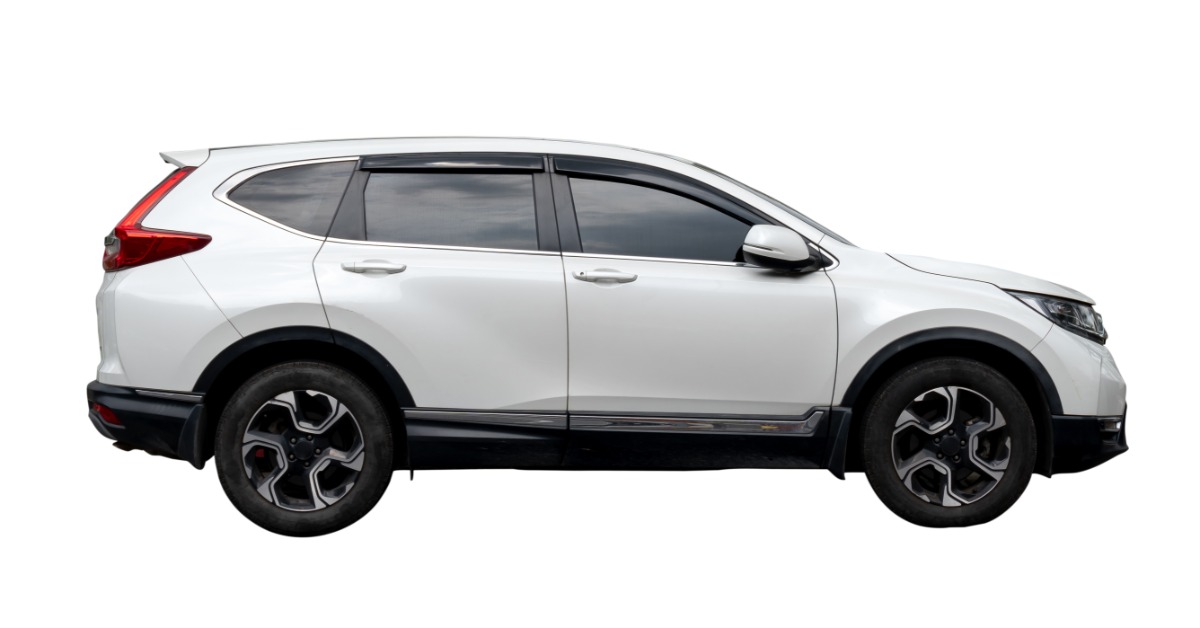
Rolling resistance describes the energy a vehicle needs to keep its tires moving along the road. Tires with lower rolling resistance require less energy, which can help a hybrid preserve fuel economy and make better use of its electric motor. Tire compounds, tread patterns, sidewall construction, and inflation pressure all influence this measurement.
Many tires marketed for hybrids or fuel-efficient vehicles use special rubber compounds that reduce energy loss. However, efficiency should not outweigh traction, braking, or durability.
When choosing the right tires for your hybrid car, don’t focus on just efficiency. Mississippi heat, heavy rain, highway travel, and rough pavement can place different demands on the tread. A commuter who spends most of the week on city streets may need a different tire than someone who drives long distances on the interstate.
Compare efficiency ratings alongside wet traction, tread life, ride comfort, and warranty coverage. A balanced tire can support fuel economy without sacrificing the control you need during sudden stops or severe weather.
Drivers along the Mississippi Gulf Coast regularly encounter heavy rain and standing water. Tires must move water away from the tread to maintain contact with the pavement. Deep grooves, lateral channels, and proper tread blocks help reduce the risk of hydroplaning.
Check the tire’s wet-traction information and review its tread design before making a purchase. Worn tires lose water-dispersing capability as tread depth decreases, so long-term performance matters as much as the tire’s condition when new.
Hybrid vehicles produce less engine noise during low-speed electric operation. Without a running gasoline engine masking other sounds, tire noise can become more noticeable inside the cabin. A loud tread pattern may make an otherwise quiet hybrid feel less refined.
Tires for comfort use tread arrangements and construction methods that reduce vibration and sound. Some models also include sound-absorbing materials inside the tire. These features can improve the driving experience, but they should complement proper traction and load capacity rather than replace them.
A softer touring tire may absorb bumps well, while a firmer performance tire may provide more direct steering feedback. Neither approach works for every driver. The best choice depends on whether you value a smooth commute, responsive handling, or a blend of both.
Your wheel size also affects comfort. Larger wheels typically use tires with shorter sidewalls, which may transmit more road impact into the cabin. Keeping the original wheel and tire dimensions usually preserves the ride quality intended by the manufacturer.
Hybrid torque and greater weight can accelerate tire wear, particularly when drivers accelerate quickly or delay rotations. A tire with a strong treadwear rating and a suitable warranty may deliver better long-term value than a less expensive model with a shorter service life.
Warranty length does not guarantee that every tire will reach the stated mileage. Inflation, alignment, rotation intervals, road surfaces, driving habits, and suspension condition all affect wear. Review the warranty terms carefully, and choose a tire that matches your expected annual mileage.
Proper maintenance protects the performance benefits of a well-chosen tire. Check inflation at least once a month and before long trips, using the pressure listed by the vehicle manufacturer rather than the maximum pressure printed on the tire.
Rotate the tires according to the vehicle manufacturer’s schedule, and inspect the tread for uneven wear. A vehicle that pulls to one side, vibrates, or wears one edge of the tire may need an alignment or suspension inspection.
Some tire manufacturers offer models specifically for hybrid and electric vehicles. These tires may include reinforced construction, low-rolling-resistance compounds, quieter tread designs, and features built to handle added weight and quick torque.
A hybrid-specific label can simplify the search, but it does not automatically make a tire the best choice. A high-quality conventional tire may still meet every specification. Compare the complete set of ratings, features, and costs before deciding.
The lowest upfront price may lead to higher costs if the tire wears quickly, reduces fuel efficiency, or performs poorly in local weather. Consider tread life, maintenance needs, warranty terms, efficiency, and replacement timing when comparing options.
The right tires help your hybrid deliver the efficiency, quiet operation, control, and comfort that made the vehicle appealing in the first place. Look beyond size alone, and consider load capacity, rolling resistance, wet traction, tread life, and road noise before making your decision.
For help comparing tires that fit your vehicle and driving habits, visit RNR Tire Express, your local tire shop in Ocean Springs. Our team can help you review suitable choices and flexible payment options so you can leave with tires that support confident driving throughout Mississippi.
By signing up you agree to our Privacy Policy.