Tires
|
May 30, 2019

Choosing tire width is not just a styling decision. The right width influences how a vehicle responds to steering input and how confidently it behaves in changing conditions. Drivers comparing options usually arrive at one central question: are wide or narrow tires best for your vehicle? The answer depends on several factors unique to each driver and vehicle.
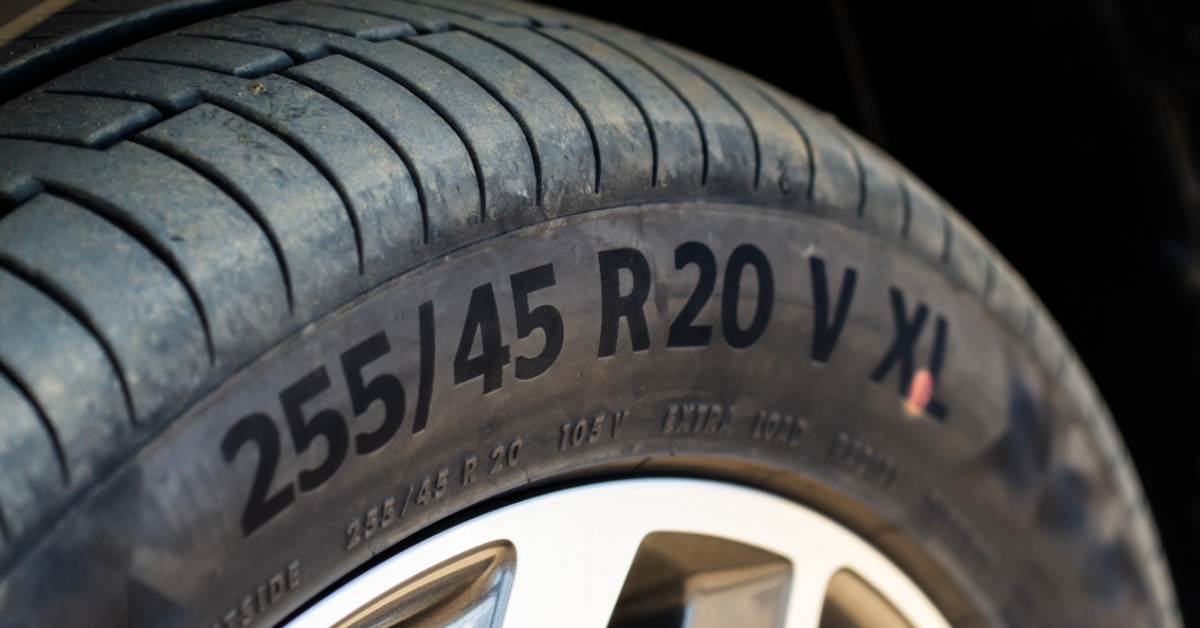
Tire width refers to the measurement from one sidewall to the other, expressed in millimeters. On a tire labeled 225/55R1, the first number indicates a width of 225 millimeters. That figure works together with aspect ratio, wheel diameter, load rating, and speed rating.
A wider tire creates a broader contact patch, but width alone does not determine performance. Tire construction and tread design, as well as inflation pressure, shape how the contact patch behaves. Vehicle manufacturers select tire sizes based on comprehensive testing to ensure balanced performance across the entire system.
Wide tires support stronger dry-road grip because more rubber meets the pavement. That larger footprint puts vehicle power down with less wheelspin. It tends to sharpen cornering response, which appeals to drivers who value a planted, performance-oriented ride.
The tradeoff is added rolling resistance and weight. Wider tires sometimes create more road noise and react more noticeably to grooves in the pavement. Their higher replacement price adds another drawback.
Narrow tires place less rubber against the road, which reduces rolling resistance. Their design supports efficient daily driving and requires less effort from the engine or electric motor. A slimmer footprint cuts through standing water or loose snow more effectively in some conditions.
Their limits appear during aggressive cornering or hard acceleration. Less surface area means less dry-road grip when a driver pushes the vehicle.
Wide tires generally deliver stronger traction on dry pavement. Their larger contact patch spreads acceleration forces across more rubber. Narrow tires perform differently because their smaller footprint creates greater pressure per square inch, which helps them bite into snow or soft surfaces.
A wider setup usually produces quicker steering response and less sidewall movement. The vehicle tends to remain more secure through sweeping turns. Narrow tires respond with lighter steering and less resistance, which suits relaxed driving but provides less support during aggressive maneuvers.
Narrow tires typically use less energy as they roll. Lower weight and resistance reduce the demand placed on the powertrain. Wide tires create more drag, so a major change in width can lower fuel economy or reduce an electric vehicle’s driving range.
Tire width affects comfort, but sidewall height plays a larger role. Wide tires are frequently paired with lower-profile sidewalls. Those shorter sidewalls transmit more texture and impact into the cabin. Narrower tires with taller sidewalls absorb road imperfections more gently.
Neither option is automatically safer in every situation. Safety depends on matching the tire to the vehicle and keeping it in good condition. A tire that is too wide might rub suspension parts. One that is too narrow might not support the required load.
Drivers in warm, dry areas might benefit from the grip of a wider tire, particularly when their vehicle produces substantial power. Heavy rain changes the equation because a broad contact patch must move more water away. A well-designed tread helps, but excessive tread width increases the risk of hydroplaning as speed and water depth rise.
Narrow tires are useful in snow because they press through loose material instead of riding across the top. Rough roads favor moderate widths and taller sidewalls that provide more cushioning. Before changing sizes, speak with a tire shop in Pascagoula, MS, about local rainfall, road quality, and fitment requirements.
Most sedans and compact cars perform best near the factory width. A modest increase might improve cornering, but a large jump could reduce efficiency and steering comfort. Daily commuters gain more from a balanced setup than from an oversized appearance.
SUVs and crossovers need tires that support their weight and intended use. Wider tires suit performance-focused models, though they sometimes make steering heavier. Family-oriented vehicles usually benefit from staying close to the manufacturer’s specifications.
Truck tire width should reflect how the vehicle works. Wider tires add traction on dry pavement and create a bold stance. Drivers who tow, haul, or travel off-road must prioritize load capacity, clearance, and tread construction over appearance.
Sports cars rely on wider tires to transfer power and maintain control through corners. Engineers design the suspension around that footprint. Changing width without considering wheel size or alignment could upset the handling balance that makes the car predictable.
Electric vehicles place unique demands on tires because battery packs add weight and electric motors deliver torque immediately. Wider tires improve launch traction in some setups, but they reduce range due to increased resistance. EV-rated tires balance load support and efficiency more effectively than a cosmetic size change.
Wide tires usually cost more because they require additional material and are produced in lower volumes than common sizes. They sometimes wear faster on vehicles with aggressive alignment settings. Replacement choices shrink when a driver selects an uncommon width.
Narrow tires tend to cost less and sometimes last longer under normal commuting conditions. However, maintenance still determines value. Correct pressure, timely rotation, proper alignment, and regular tread checks protect either setup from premature wear.
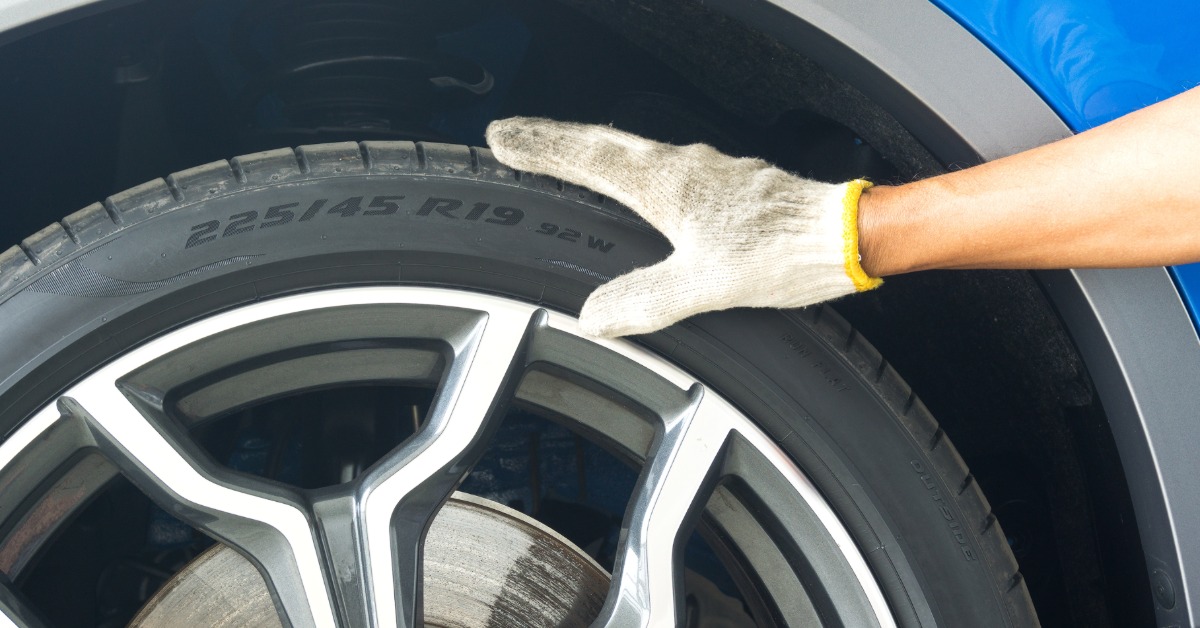
Do not change the width when the new size falls outside the vehicle manufacturer’s approved range. A poor fit might affect speedometer accuracy or braking systems. Warranty or insurance concerns sometimes arise after an unsupported modification.
Avoid changing only one axle unless the manufacturer permits staggered sizing. Mixing widths could alter traction balance and stability control behavior. A professional fitment check should come before any purchase.
A tire width decision should leave you confident behind the wheel, not second-guessing how your vehicle will respond. Before making the switch, ask, “Are wide or narrow tires best for your vehicle?” A professional fitment recommendation turns that question into a clear choice based on your driving habits and vehicle specifications. Visit RNR Tire Express for help selecting tires that suit your vehicle and budget.
By signing up you agree to our Privacy Policy.