Tires
|
May 30, 2019
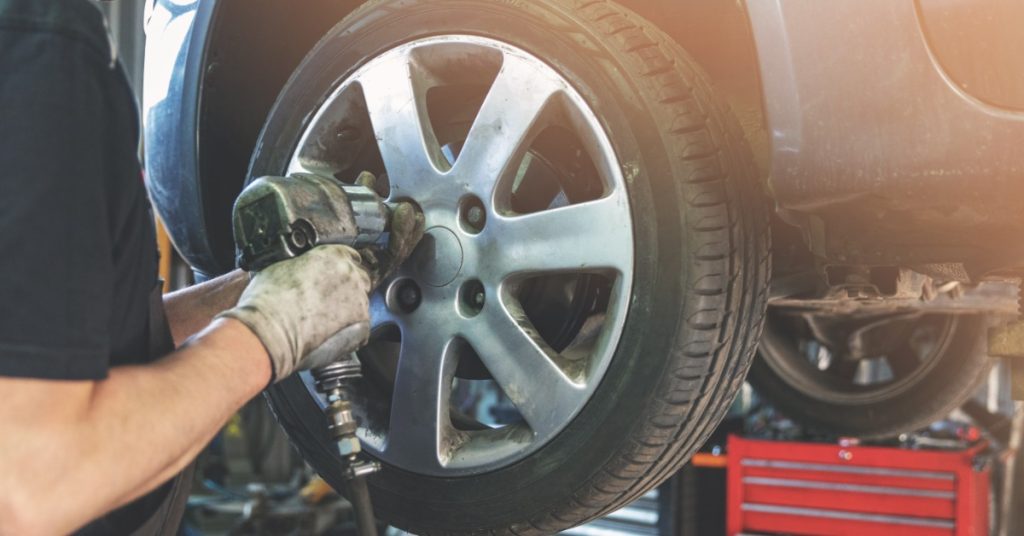
Tires do more than keep your vehicle moving. They support the vehicle’s weight, help transfer power to the road, and give you the traction necessary to steer and stop with confidence. Since each tire works under slightly different conditions, the tread does not wear at the same rate across all four positions. Regular tire rotations help balance that wear and give each tire a better chance to perform as it should.
A rotation moves tires from one position on the vehicle to another according to a pattern that fits the drivetrain, tire type, and manufacturer recommendations. Mississippi drivers face hot pavement, heavy rain, road debris, and long stretches of highway, so consistent tire care can make a noticeable difference. Keep reading to understand why getting regular tire rotations is important for your car’s performance and safety.
Front tires handle most steering duties, and they usually carry more weight because the engine is in the front of almost all consumer passenger vehicles. As your vehicle turns, the front tires place more load on their outer shoulders, which can lead to faster wear along the edges of the tread. Braking also shifts weight toward the front axle and adds more stress to those tires.
Drive wheels face their own demands. On a front-wheel-drive vehicle, the front tires steer, deliver power, and manage much of the braking load. Rear-wheel-drive vehicles place acceleration stress on the back tires, and all-wheel-drive systems divide power across all four corners. A planned rotation pattern changes each tire’s job over time, which can reduce major differences in tread depth.
Not every vehicle uses the same rotation pattern. Directional tires must continue to roll in the direction shown on the sidewall, so technicians usually move them from front to rear on the same side. Staggered wheel setups may use wider tires in the rear, which can prevent a standard front-to-back swap. Some vehicles also use different wheel diameters on each axle.
Another reason why getting regular tire rotations is important is to extend the lifespan of your tires. Uneven tread wear can force a driver to replace tires before the set reaches its service life. One tire may develop worn shoulders, a shallow center section, or a large tread-depth difference compared with the others. Once that wear becomes severe, a rotation cannot restore the missing rubber.
A tire shop can measure tread depth at several points and compare wear across the full set. Those measurements help the technician decide if the tires can follow a normal rotation pattern or if another issue needs attention first. By spreading wear across different positions, tire rotations help you get more miles from your tires before replacement is necessary. They can also delay the need for premature replacement due to one position wearing much faster than the rest.
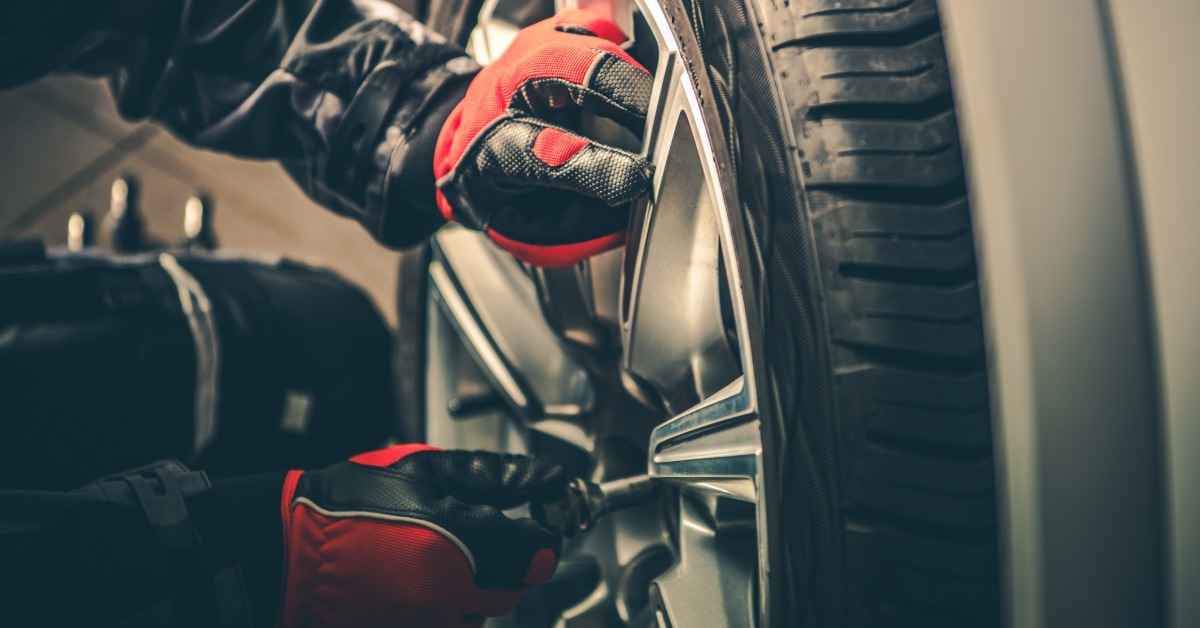
Tires with similar tread depths tend to respond more predictably as a group. When one axle has far less tread than the other, the vehicle may feel different during a sudden stop, a sharp turn, or a lane change on wet pavement. The imbalance can become more noticeable as rain pools on the road and reduces available grip. Regular rotations support a more consistent contact pattern at all four corners.
Uneven tread can create vibration, road noise, or a rough feel through the steering wheel and seat. A tire with cupping or irregular high and low spots may produce a rhythmic sound that changes with vehicle speed. Rotations can reduce the chance of these patterns when drivers schedule the service before the wear becomes severe. They cannot correct every damaged tread pattern, but they can support smoother wear from the start.
Technicians can check more than tire position during a rotation appointment. They can inspect tread depth, inflation pressure, sidewalls, valve stems, and visible damage from nails or road debris. They may also notice unusual wear that suggests an alignment, suspension, or balancing concern. Finding those signs early gives the driver more choices and may reduce further tire damage.
Inflation checks provide another benefit because pressure changes with temperature. Mississippi heat can raise tire pressure during travel, and seasonal temperature drops can lower the cold reading. The correct pressure is noted on the vehicle placard (commonly found on the driver’s side doorjamb), not the maximum number printed on the tire sidewall. A rotation appointment gives the shop a convenient chance to set all four tires to the proper cold-pressure specification.
Many drivers connect tire rotations with oil changes because both services follow recurring mileage intervals. That approach can work when the timing matches the vehicle and tire manufacturer recommendations. Some vehicles need rotations at shorter intervals because of drivetrain design, tire compound, driving conditions, or manufacturer requirements. The owner’s manual remains the best starting point for a schedule.
Driving habits can also affect the interval. Frequent highway travel, heavy loads, hard acceleration, quick turns, and stop-and-go traffic can increase wear. Gravel roads, potholes, and rough pavement may also change how the tread develops. A technician can review the wear pattern and recommend a schedule based on the vehicle’s actual condition rather than a generic estimate.
Some tire warranties require proof of regular rotations and proper maintenance. Receipts that show mileage, date, tire condition, and completed service can support a future warranty claim. Without those records, the manufacturer may not cover treadwear that appears due to missed maintenance. Drivers should keep service documents with other vehicle records.
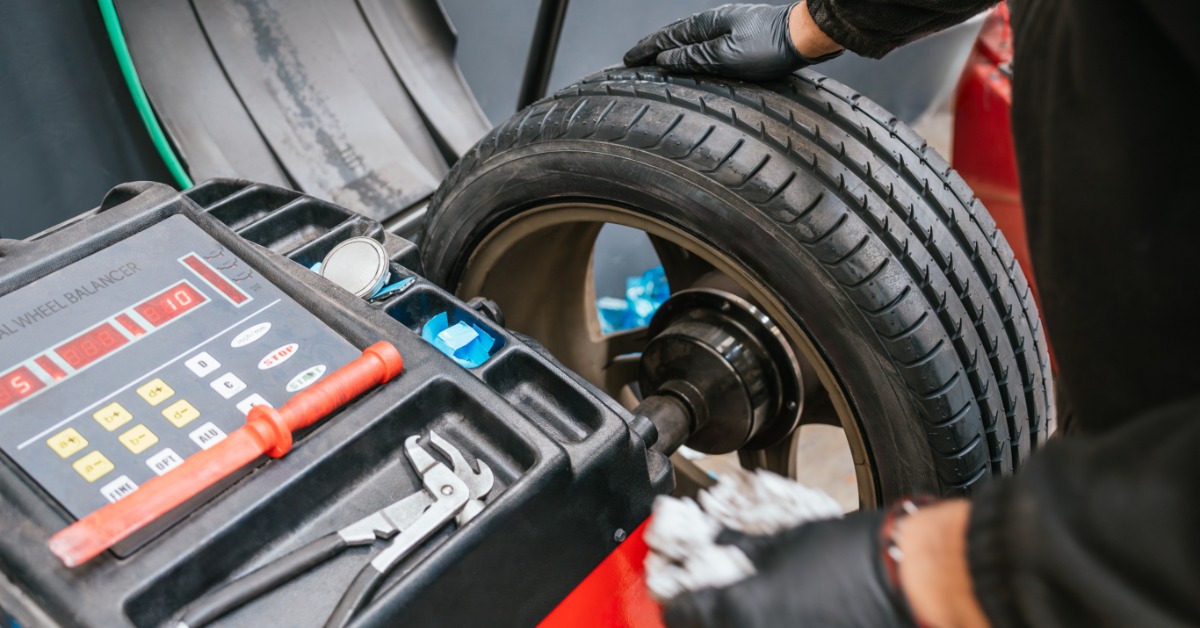
Be proactive. Drivers should not wait for the vehicle to develop a new vibration, pull, noise, or handling change before scheduling service. Visible cords, bulges, deep cuts, rapid pressure loss, or very low tread require immediate inspection. A rotation alone will not solve structural damage or unsafe wear. The technician must identify the cause and decide if the tire can remain in service.
Uneven wear also deserves prompt attention. Feathered tread blocks may suggest an alignment problem, and cupping can indicate worn suspension parts or balance concerns. Excess wear in the center can point to overinflation, while wear on both shoulders may result from underinflation. Addressing the cause protects the remaining tread and helps the next rotation provide better results.
Regular tire rotations give each tire a chance to serve in different positions, which can support longer tread life, steadier handling, and a smoother ride. The service also creates a natural opportunity for pressure checks, tread measurements, and a closer look at developing wear. These small maintenance steps can help Mississippi drivers protect their tires and plan replacement costs with fewer surprises.
RNR Tire Express provides tires, wheels, alignments, and flexible payment options for drivers across the Gulf Coast region. Schedule a tire rotation at our tire shop in Hattiesburg, MS, and ask the technicians to check tread depth, inflation, and wear patterns during the visit. A consistent maintenance routine can help you get more dependable performance from every mile.
By signing up you agree to our Privacy Policy.