Tires
|
May 30, 2019
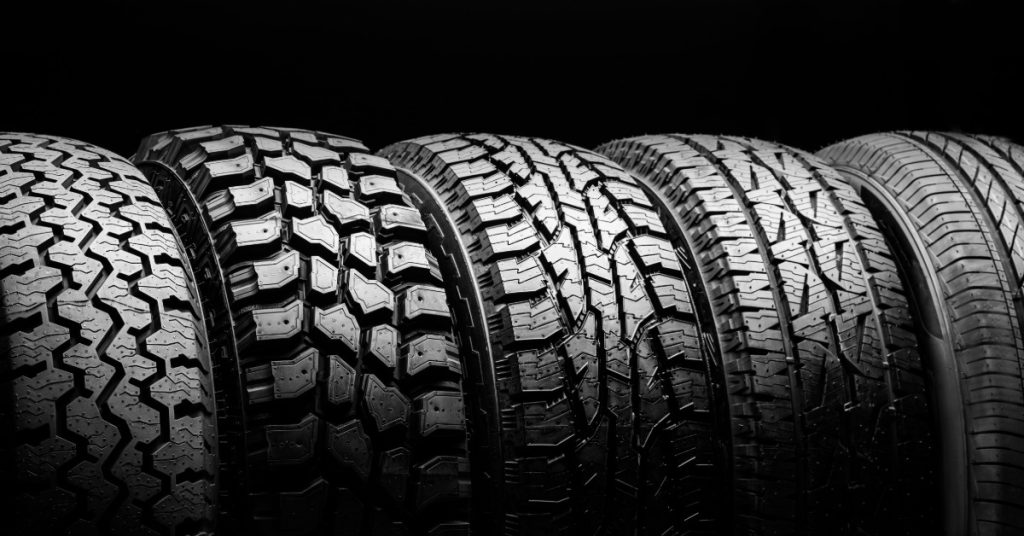
Off-road tires can look ready for another season even after years of light use. Deep tread, an aggressive pattern, and a clean sidewall may create the impression that plenty of life remains, but age can change rubber long before mileage tells the full story. That matters for drivers who use trucks, Jeeps, and other off-road vehicles for weekend trails, hunting trips, beach access, or seasonal recreation.
Understanding why off-road tire age matters more than mileage can help you spot problems before your next trip puts extra stress on an aging set. For an off-road setup, that means looking beyond aggressive tread and considering the tire’s full condition before the next trip. A quick age check can be especially useful for vehicles that spend more time parked than moving, since low annual mileage can hide years of environmental exposure.
Mileage works well as one measure of tire use, but off-road tires do not always accumulate miles at a steady rate. A vehicle may sit for weeks between trail trips, stay parked during part of the year, or spend most of its time on short local drives. In those cases, the odometer may barely move even as the tires continue to age.
Rubber changes as time passes. Exposure to oxygen, sunlight, heat, moisture, and frequent temperature shifts can affect the compounds that help a tire remain flexible. Those changes can happen even if the tread still looks deep and the mileage remains low.
Off-road use adds stress that pavement driving may not produce in the same way. Rocks can scrape sidewalls, loose terrain can force a tire to flex, and low-pressure trail use can place extra strain on the tire structure. A younger tire in good condition can handle those demands more confidently than an older tire with hardened or weathered rubber.
Florida drivers deal with long periods of high temperatures, strong sunlight, and hot pavement. Heat can accelerate chemical changes inside tire rubber, especially when a vehicle sits outdoors for long stretches. An off-road vehicle that sees only a few thousand miles each year can still spend thousands of hours exposed to heat.
Where you park the vehicle can influence how the tires age. Direct sun, standing water, ozone exposure from some electrical equipment, and long periods without movement can all contribute to deterioration. Covered storage may reduce some exposure, but it does not stop the aging process.
Drivers who shop for tires in Panama City may focus first on tread type, traction, and price, which all make sense for off-road use. Tire age deserves the same attention because the Gulf Coast climate can place substantial environmental stress on rubber even when a vehicle sees limited road time.

Another reason why off-road tire age matters more than mileage is that tread depth can give a false impression of a tire’s capability. Deep tread looks reassuring, especially on a tire built with large blocks and aggressive voids. A tire can retain much of that tread after years of light use, which makes visual wear alone a poor way to judge remaining life. The tread may look healthy even as the rubber grows stiffer or small cracks begin to form.
This is one reason low-mileage off-road tires can surprise owners. A set with 15,000 miles may look newer than a highway tire with 40,000 miles, but those numbers do not show the tires’ exposure to heat, sunlight, and environmental stress.
A quick glance across the tread surface does not show the full condition of an off-road tire. Inspect the sidewalls, shoulders, spaces between tread blocks, and areas near the bead. Look for cracks, cuts, bulges, unusual deformation, or dry-looking rubber.
Every tire carries identifying information on its sidewall, including a date code that indicates the precise date the manufacturer created the tire. On modern tires, the final four digits of the DOT code show the week and year of manufacture. For example, a code ending in 2324 indicates production during the 23rd week of 2024.
Knowing that date gives you a clear starting point for tracking age. It can also help when you buy a used off-road vehicle, inherit a spare, rotate in a matching replacement, or inspect a set that has spent long periods in storage.
Off-road drivers may carry a full-size spare that rarely touches the ground. That spare can age at nearly the same pace as the tires in service, and exposure may be greater if it mounts outside the vehicle. A spare with perfect tread may still be several years old.
Check the date code and condition of the spare during routine tire inspections. If you depend on it to get back from a remote trail, you want confidence in more than its tread depth.
Weekend vehicles create a common mismatch between mileage and age. A truck might travel only 3,000 miles each year, which means it could take many years to accumulate the distance that drivers associate with normal tire replacement. During that same period, the tires still face weather, pressure changes, and material aging.
Age does not replace basic tire care. Proper inflation helps the tire carry its load, manage heat, and maintain the shape the manufacturer intended. Low pressure can create excess flex and heat, which places more strain on the tire structure.
Check pressure when the tires are cold and follow the vehicle manufacturer’s recommended pressure for normal road use. If you adjust pressure for trail conditions, restore it before returning to sustained highway speeds.
There is no single mileage number that applies to every off-road tire. Tire design, driving habits, storage, climate, maintenance, and damage history can all change how long a set remains suitable for service. Manufacturer recommendations should guide age-based replacement decisions, and regular inspections become more valuable as tires get older.
If you do not know the age of your tires, start with the DOT date code. Then compare that age with their physical condition and service history. Cracks, bulges, vibration, frequent pressure loss, or other unusual signs deserve prompt attention rather than a wait-and-see approach.
Off-road tires may cover fewer miles than daily-driver tires, but time keeps affecting them between every trip. Age, climate, storage, trail use, and visible condition can tell you far more than mileage alone when you assess a set that still has deep tread.
RNR Tire Express can help you inspect your current tires and find replacement options that fit your vehicle, driving habits, and budget. Visit your local RNR Tire Express to have a professional check your off-road tires before your next road trip, trail day, or weekend adventure.
By signing up you agree to our Privacy Policy.