Tires
|
May 30, 2019
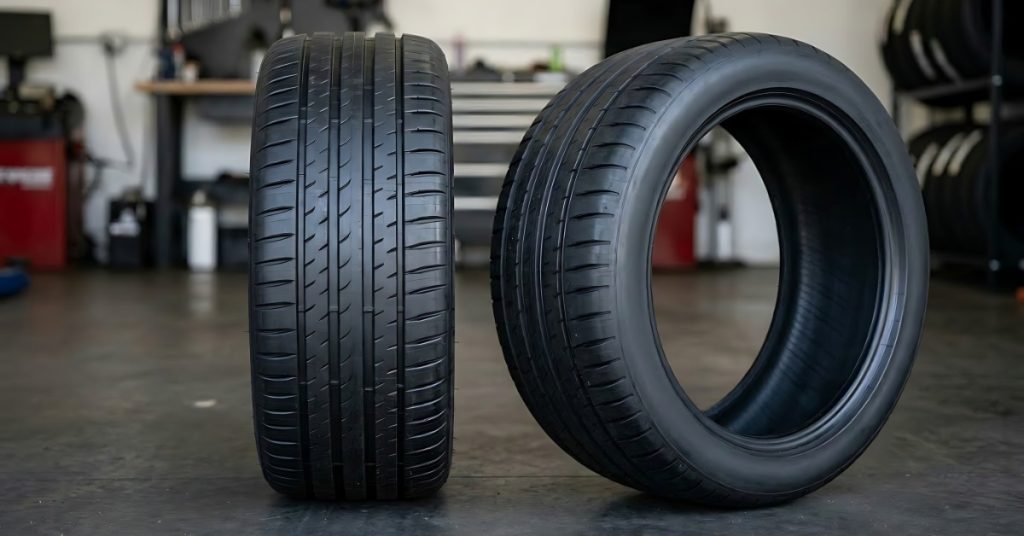
Most drivers give tire pressure little thought until a dashboard light appears or a tire looks low. However, the gas inside each tire plays a role in pressure stability, tire care, and day-to-day vehicle performance. Understanding the benefits of nitrogen-filled tires helps drivers decide if nitrogen deserves a place in their regular tire maintenance routine. Find out whether these tires are right for your vehicle with the help of our full breakdown below.
Standard tire inflation relies on compressed air, a mix composed mostly of nitrogen along with oxygen and other gases. Nitrogen service raises the concentration of nitrogen inside the tire. Shops typically remove as much regular air as practical before they add nitrogen, so the final mixture has a much higher nitrogen concentration.
Nitrogen doesn’t transform the tire or change its basic construction. Instead, its appeal comes from how the gas behaves inside the tire over time. Nitrogen molecules pass through tire rubber at a slower rate than oxygen molecules, so pressure loss can occur at a slower pace.
A nitrogen fill doesn’t create a maintenance-free tire. Tires can still lose pressure from a puncture or damaged valve. Drivers should continue to check tire pressure according to the vehicle manufacturer’s recommendations.
That detail matters because a tire can look normal even when its pressure falls below the recommended level. A pressure gauge provides a far better assessment than a quick glance in the driveway. Nitrogen can support a tire care routine, but it can’t replace one.
One of the best-known benefits of nitrogen comes from its ability to maintain pressure for longer periods under normal conditions. Since nitrogen escapes through tire rubber more slowly than oxygen, a nitrogen-rich fill can reduce gradual pressure loss. Consider a commuter who covers plenty of miles between service visits. Slower pressure loss may help the tires remain closer to their recommended pressure between checks. The driver still needs to monitor them, but nitrogen can add another layer of consistency to regular tire care.

Cold mornings can reduce tire pressure, and hot weather can raise it. Nitrogen doesn’t eliminate this relationship because gases respond to temperature changes regardless of the type of gas inside the tire. For Gulf Coast drivers, seasonal shifts and hot pavement can place tires through a broad range of conditions. Regular pressure checks remain worthwhile throughout the year. Nitrogen may provide greater pressure stability over time, but it can’t cancel the laws of physics.
Tire manufacturers design tires to operate at specific pressures based on the vehicle manufacturer’s specifications. When pressure drops too low, the tire can flex more than intended and create excess heat. Excess pressure can also alter how the tire contacts the road.
More stable pressure can help a tire stay closer to its intended operating range between checks. That can support predictable road manners and help drivers get the performance they expect from their tires. The benefit comes from proper pressure itself, with nitrogen serving as one possible tool to help maintain it.
Poor tire pressure can contribute to uneven tread wear. Underinflation can place extra stress on certain areas of the tread, and excess pressure can change the shape of the tire’s contact patch. Consistent pressure gives the tread a better chance to wear as intended. Alignment, tire rotation, suspension condition, road surfaces, and driver habits also affect tread life, so nitrogen isn’t a cure for every wear issue. It works best as one part of a broader maintenance routine.
Compressed air can contain moisture, depending on the equipment and service conditions. Nitrogen used for tire service is generally dry, so it introduces less moisture into the tire. That characteristic has value in applications where precise pressure control matters, such as motorsports and aviation. For an everyday passenger vehicle, the effect may feel far less dramatic. Still, drivers who prefer a dry, consistent inflation gas may see this as another reason to consider nitrogen.

Marketing claims can sometimes give nitrogen more credit than it deserves. A nitrogen fill won’t repair worn tread, correct poor alignment, stop a nail puncture, or compensate for neglected tire maintenance. Drivers should keep a realistic view of the service. Nitrogen may offer useful pressure-retention and moisture-related benefits, but the condition of the tire remains far more relevant to safe day-to-day use.
A solid tire care routine should still include:
These habits matter with compressed air or nitrogen. The gas inside a neglected tire can’t compensate for physical damage or worn tread.
Nitrogen can appeal to drivers who value slower pressure loss and consistent tire care. It may also suit people who already visit a tire shop for regular inspections and want another maintenance option. At the same time, standard compressed air remains suitable for everyday automotive tires when drivers maintain the proper pressure. Nitrogen isn’t a requirement for good tire performance. The better choice depends on access, cost, personal preference, and the maintenance habits of the vehicle owner.
The best way to view nitrogen is as a maintenance option rather than a dramatic tire upgrade. It can help pressure remain stable for longer periods and introduce less moisture into the tire, but it doesn’t replace routine inspections or proper care. That perspective keeps the benefits of nitrogen-filled tires in context. Drivers can appreciate the practical advantages without expecting nitrogen to solve unrelated tire problems. Good tire care still starts with the right pressure, healthy tread, proper alignment, and prompt attention when damage appears.
Tires handle every mile between your vehicle and the road, so thoughtful maintenance pays off long after a service visit. Nitrogen can become a useful part of that routine for drivers who prefer its pressure retention and low-moisture characteristics. RNR Tire Express serves drivers with tires, wheels, alignments, and flexible payment options designed for a range of budgets. Visit our shop for tires in Meridian, MS, if you’re ready to have your tires inspected, discuss nitrogen service, and get professional help with the tire care your vehicle needs.
By signing up you agree to our Privacy Policy.