Safety Tips
|
Aug 9, 2019
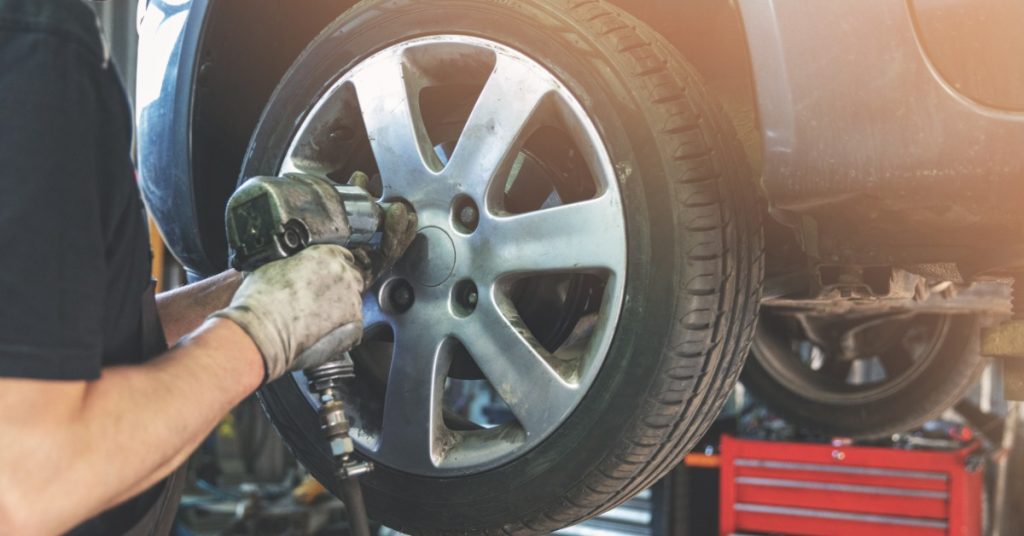
A repaired tire can deliver plenty of dependable miles, but no repair can last under every set of circumstances. Damage can develop around the original puncture, air can escape again, or the tire itself can reach a condition where replacement makes more sense than another repair.
Drivers who know the warning signs have a better chance to address trouble before a minor tire issue disrupts a trip. Below, we’ll explain how drivers can tell if a tire repair is no longer safe.
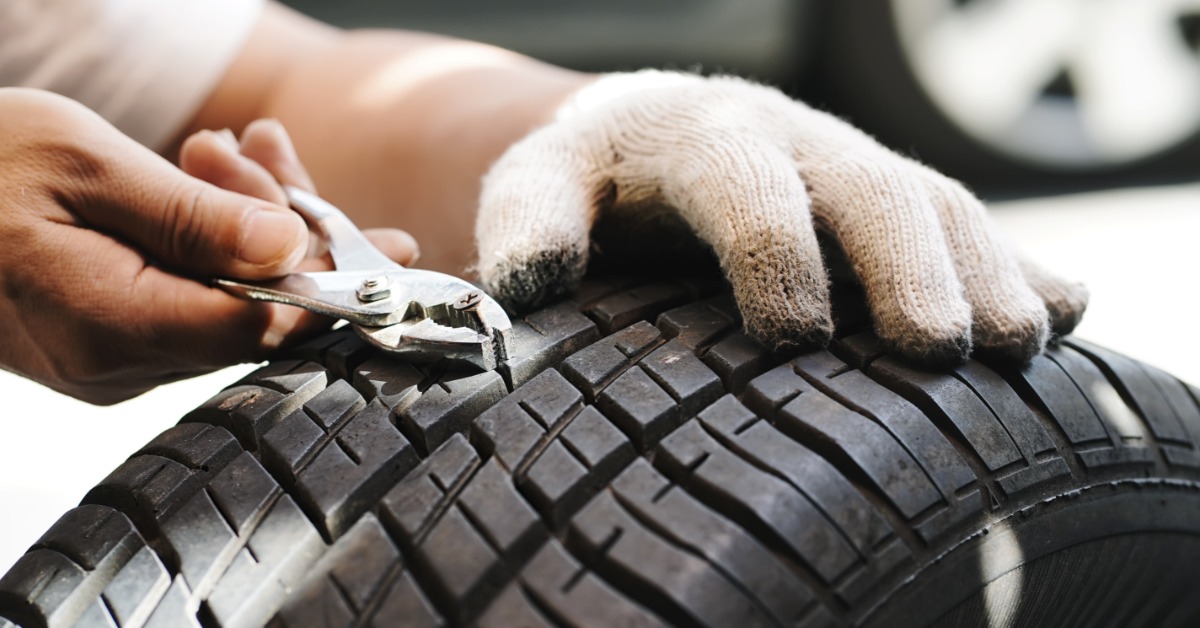
A safe puncture repair starts with the location and size of the original damage. Puncture repairs are exclusively for the tread area. The puncture also shouldn’t exceed 1/4 inch, or 6 millimeters, in diameter. Damage that reaches the shoulder or sidewall calls for tire replacement rather than a standard puncture repair.
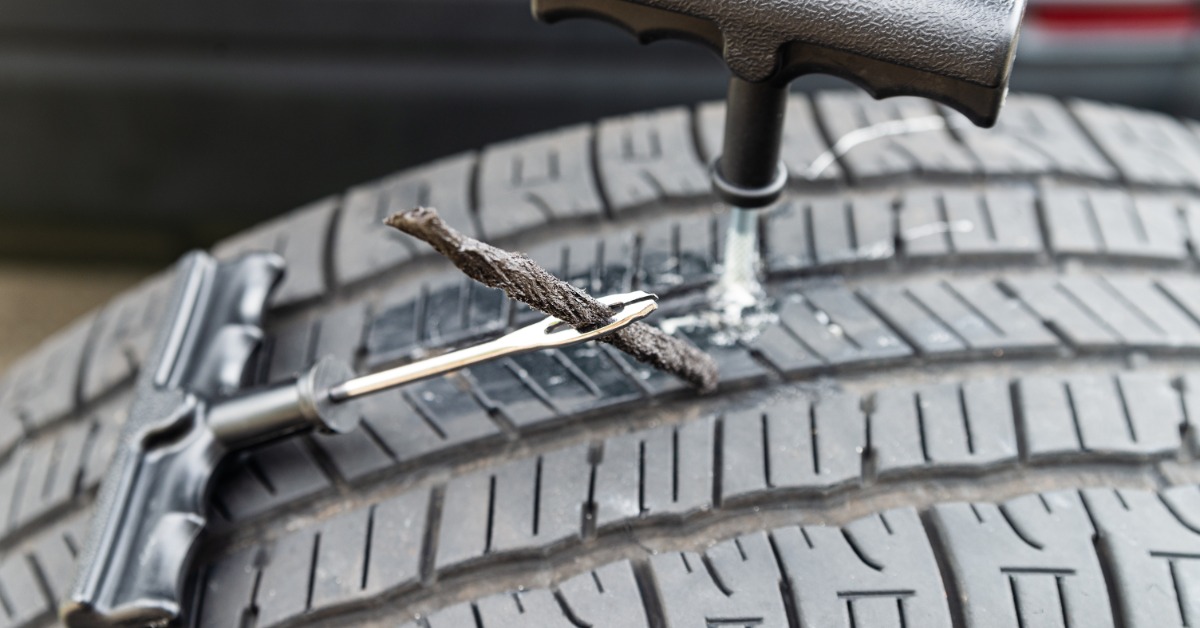
The repair method matters, too. A proper repair requires removal of the tire from the wheel so a technician can inspect the inside. The repair then fills the puncture channel and seals the inner liner with a patch. A plug by itself doesn’t meet industry standards for safe tire repairs.
If you don’t know how a previous shop repaired the tire, an inspection can provide some clarity. An unknown repair history deserves extra attention because the condition beneath the tread isn’t visible from outside the vehicle.
One way to tell if a tire repair is no longer safe is if it frequently loses air pressure. A successful repair should seal the puncture and allow the tire to maintain appropriate pressure. If you need to add air frequently, the original repair may no longer seal correctly, or there may be another puncture that requires attention.
Drivers may assume a slow leak means the tire only needs another quick patch. That isn’t always the case. A technician must locate the source of the pressure loss before deciding what comes next.
A tire pressure monitoring system can provide an early clue about possible issues. If the warning light appears after you refill a repaired tire, don’t treat each alert as an isolated incident.
Pressure loss can come from the repaired area, a new tread puncture, the valve, or the wheel assembly. The cause needs identification before anyone can judge the tire’s condition.
Your vehicle should feel stable after a proper tire repair. A new vibration through the steering wheel, seat, or floor deserves attention, particularly if it appears soon after tire damage or repair.
Several tire and wheel problems can create vibration, so the repair itself may not be the cause. The tire could have sustained internal damage when it lost air, or the wheel could have taken on an impact at the same time as the puncture.
Some tire problems become more noticeable as vehicle speed rises. A mild shake around town may become much stronger on the highway.
Don’t assume a vibration will disappear on its own. A change in ride quality tells you something in the tire-and-wheel assembly needs attention, even if the repair still looks normal from the outside.
A repair doesn’t protect a tire from unrelated damage later in its life. Inspect the tire from time to time, especially before a highway trip or after a hard impact with a pothole. Look for visible changes such as:
A bulge can point to structural damage inside the tire. Cracks may also indicate deterioration that a puncture repair can’t correct. When physical damage affects the tire’s structure, another patch isn’t the answer.
The puncture itself isn’t the only factor that determines tire condition. How far the vehicle traveled with low pressure can matter just as much.
A tire driven even a short distance while underinflated can suffer damage that inflation alone cannot reverse. That’s one reason proper repair procedures call for tire removal and an internal inspection. A technician needs access to areas hidden from view when the tire remains on the wheel.
Imagine that a nail causes a slow leak during a commute. One driver notices the pressure warning early and stops before the tire loses much air. Another driver continues for miles until the tire looks nearly flat.
Both vehicles may arrive with a nail in the tread, but the tires haven’t experienced the same conditions. The second tire may have sustained internal damage from travel at very low pressure. A puncture that appears repairable from the outside doesn’t automatically mean the entire tire remains suitable for service.
Finding another nail doesn’t automatically require tire replacement. Location, puncture size, tire condition, and previous repair placement all affect the decision.
Tire puncture repairs shouldn’t overlap. It’s also best to avoid another repair on a tire that already contains an improper repair. A technician can inspect the repair locations and determine if another approved repair remains possible.
A technically repairable puncture doesn’t exist in isolation. The tire’s remaining tread, wear pattern, age, and general condition still deserve consideration.
For example, repairing a minor tread puncture on a tire with substantial usable tread can be practical. The same puncture on a heavily worn tire may lead to a different recommendation. A technician should evaluate the whole tire rather than focus only on the hole.
This broader inspection can also reveal alignment-related wear or damage that developed after a road impact. Addressing the complete picture can prevent a driver from paying for a repair on a tire that already needs replacement for another reason.
An outside plug can look convincing because it may stop the immediate air leak. That doesn’t mean the tire received a complete repair.
It’s advisable to remove the tire completely for a comprehensive inspection. Without removal, a technician can’t fully assess the inner liner or check for damage caused by low-pressure travel. If your tire received only an outside plug, have a tire professional inspect it and recommend the appropriate next step.
A repaired tire shouldn’t demand constant attention. Frequent air loss, new vibrations, visible damage, or changes around the repaired area can all justify another inspection. The tire’s tread condition and repair history also influence the decision to keep it in service.
If you’re unsure about a previous repair, or need new tires in Jackson, TN, visit RNR Tire Express for a professional tire inspection and recommendation. The team can examine the tire, explain what they find, and help you choose a suitable replacement if the tire has reached the end of its safe service life.
By signing up you agree to our Privacy Policy.