Safety Tips
|
Aug 9, 2019
Your tires handle every mile between your vehicle and the pavement, so their condition deserves more than a quick glance before a road trip. A professional inspection will reveal wear, damage, or pressure concerns that aren’t obvious from the driver’s seat. Knowing what to expect from a tire safety inspection also takes some of the mystery out of a visit to the tire shop. Let’s discuss why it’s important for you to let a tire professional take a look.
Before measurements and closer checks come into play, a technician can learn quite a bit from the tire’s overall appearance. Cuts, cracks, bulges, exposed material, and other visible damage can point to problems that deserve attention. A tire may look fine from several feet away but can reveal a concern once someone examines the sidewall and tread up close.
This first look also gives the technician a chance to compare all four tires. Differences from one tire to another can offer useful clues about the vehicle, tire condition, and recent road encounters. A hard curb strike, for example, may leave one tire with damage that the other three don’t share.
Proper air pressure helps a tire perform as its manufacturer intended. During an inspection, a technician can check each tire’s pressure and compare the result with the vehicle manufacturer’s recommendation. That recommended pressure typically appears on a placard inside the driver’s door area.
Too little air can cause excess flex and uneven wear, and too much can alter the tire’s contact with the road. Pressure can also change as temperatures rise or fall. A pressure check provides a useful snapshot of each tire and can reveal one that loses air faster than the others.
Air pressure isn’t only about the tire itself. Valve stems and valve components can develop leaks or suffer damage over time. A technician may examine this area for deterioration or signs that air can escape.
That small component is easy to overlook during a casual driveway check. However, a slow leak can lead to repeated pressure loss and extra trips to the air pump. A closer inspection can help identify the source rather than leave you to keep topping off the same tire.

Tread helps tires maintain contact with the road, especially when water covers the pavement. As tread wears down, the tire has less depth available to channel water away from its contact patch. A technician can measure tread depth at several points instead of relying on appearance alone.
Those measurements also help show if the tire wears evenly. One section may have considerably less tread than another even though the tire still looks healthy at first glance. This is one reason a proper inspection goes beyond a quick look at the center tread.
The sidewall can suffer damage even when the tread remains in good shape. Potholes, road debris, and curb contact can leave cuts, scrapes, cracks, or bulges along this part of the tire. Some marks are cosmetic, but others can point to damage within the tire’s structure.
Bulges deserve particular attention because they can indicate internal damage. A technician can assess the tire and explain the appropriate next step based on what they find. That professional evaluation offers more useful information than a guess based on appearance.
Tread depth isn’t the only factor that affects a tire’s condition. Rubber changes over time due to age, exposure, heat, storage conditions, and regular road use. As a result, a tire with plenty of visible tread isn’t automatically in ideal condition.
A technician can review the tire’s identification markings to determine its manufacture date. From there, age becomes one part of the broader evaluation. This context can be especially useful for vehicles that cover relatively few miles each year, since their tires may age before the tread wears down.
Nails, screws, and other road debris have a talent for finding tires at inconvenient times. During an inspection, a technician may find an object embedded in the tread or evidence of an old puncture. Some punctures can be repaired under appropriate circumstances, but location and damage severity affect that decision.
Previous repairs can also receive attention. A technician will typically evaluate the repair area and look for signs of continued air loss or additional damage. If a tire loses pressure repeatedly, this part of the inspection may help explain why.
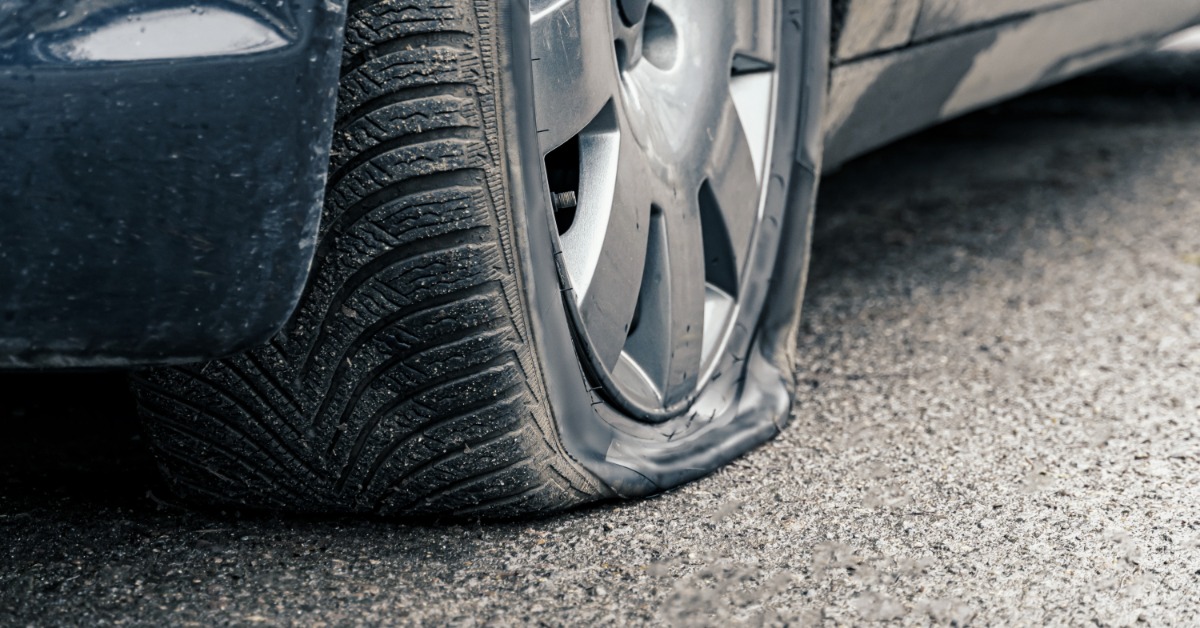
Not every tire concern announces itself on the exterior. Certain impacts or punctures can create damage that calls for a more thorough examination. In some cases, a technician may recommend tire removal so the interior can receive a closer assessment.
That extra step isn’t part of every routine inspection. It becomes more relevant when visible evidence, pressure loss, or the driver’s description suggests a hidden concern. A thorough approach can provide a clearer picture before a repair or replacement decision takes place. Talk to a local tire shop in Ocean Springs to get local assistance on your vehicle and eliminate any guesswork.
Tires don’t work independently from their wheels. A bent, cracked, corroded, or damaged wheel can contribute to air loss, vibration, or trouble at the tire bead. For that reason, visible wheel condition may become part of the inspection.
Curb contact provides a good example. The tire might survive with little visible damage, but the wheel may take enough force to develop a problem. Looking at both components gives the technician better context for any symptoms you’ve noticed from behind the wheel.
A tire safety inspection isn’t automatically a sales pitch for four new tires. The results may show that your tires remain serviceable but could benefit from pressure correction, rotation, alignment service, repair, or another maintenance step. In other cases, damage or wear may lead to a replacement recommendation.
A good technician should explain what they found in straightforward terms. You should leave with a clearer sense of your tires’ condition and the reason behind any recommended service. That information will help you plan your next move without relying on assumptions.
A tire inspection covers much more than a glance at the tread. Don’t let guesswork dictate your car maintenance decisions. Find out more about what to expect from a tire safety inspection by talking directly to an expert today.
By signing up you agree to our Privacy Policy.