Tires
|
May 30, 2019
A car can feel perfectly normal when you park it, then greet you with a noticeable vibration the next time you hit the road. In some cases, the tires are responsible even though they still have plenty of tread and show no obvious damage. Flat spots develop when one section of a tire stays under pressure against the pavement for an extended period. Understanding what causes tires to develop flat spots will help you recognize the problem and reduce the chance of premature tire damage. Use our full guide below to learn the essentials immediately.
Despite the name, a flat spot doesn’t mean part of the tire becomes completely flat. Instead, one area of the tire temporarily or permanently loses some of its normal round shape. Since tires support the vehicle’s weight at their contact patches, the section against the ground can deform during a long period of rest.
Once the vehicle moves again, that uneven shape can create a rhythmic thump or vibration. Drivers may notice the sensation through the steering wheel, seat, or floor. The effect can become more apparent as speed rises.
Temporary flat spotting can occur after a car sits overnight or remains parked for several days. The tire may regain its normal shape as heat builds during a drive. In that situation, the vibration gradually fades.
Permanent flat spotting presents a different problem. Your tire may retain the deformation after extended storage or exposure to conditions that put extra stress on its construction. A persistent flat spot typically requires tire replacement if the tire can’t return to its proper shape.
One of the most direct causes of flat spots is extended parking. Picture a car left in the same garage space for several weeks. The same small sections of its tires support the vehicle’s weight every day, with no rotation to shift that pressure elsewhere.
Tires are flexible by design, but they aren’t immune to prolonged stress. A contact patch can gradually take on a flatter shape as the rest of the tire remains unloaded. The longer the vehicle stays still, the greater the opportunity for deformation to become noticeable. This issue can affect vehicles that spend long stretches in storage, such as seasonal cars and extra household vehicles. Even a daily driver may sit long enough to develop a temporary flat spot during a lengthy trip away from home.
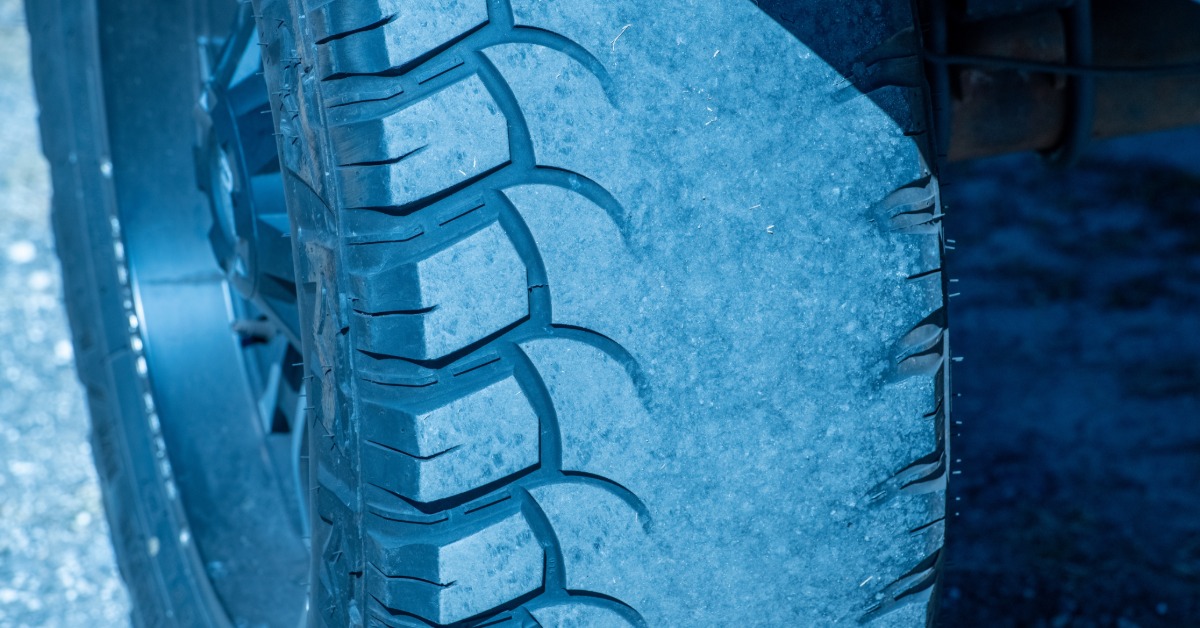
Temperature also affects how tire rubber behaves. Colder rubber becomes less flexible, so a tire may hold the shape created during parking for longer after the vehicle starts to move. A chilly morning can therefore reveal a vibration that wasn’t noticeable during warmer weather.
As the tire heats up from road contact and normal flex, temporary deformation may fade. The ride can start with a mild thump and become smooth several miles later. That change can point toward temporary flat spotting rather than another persistent tire problem.
Temperature changes also affect tire pressure. A pressure drop can add stress to the contact patch and amplify the effects of a long period at rest. Regular pressure checks can help keep the tire closer to its intended shape.
Identifying what causes tires to develop flat spots also requires a careful look at tire pressure. An underinflated tire places more of its surface against the pavement. Its sidewalls also flex more under the vehicle’s weight. If the car then sits for an extended period, that added deformation can contribute to a more pronounced flat spot.
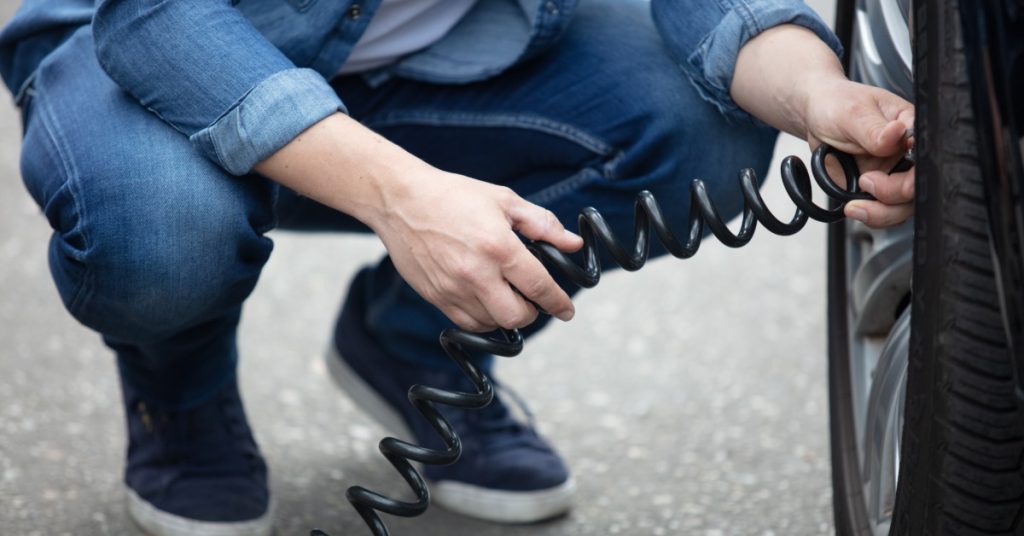
Proper inflation gives the tire the support it needs to maintain its designed profile. Check pressure when the tires are cold, and use the vehicle manufacturer’s recommended pressure rather than the maximum number printed on the tire sidewall. Don’t rely on appearance alone. Tires can lose pressure without looking dramatically low, especially on vehicles with larger sidewalls. A reliable tire pressure gauge provides a much clearer picture.
Extra vehicle weight increases the amount of force each tire must support. A heavily loaded car that remains parked for an extended period can put greater pressure on each contact patch. That combination may raise the chance of noticeable deformation.
Before long-term storage, remove cargo that doesn’t need to remain in the vehicle. A trunk packed with tools, equipment, or other heavy items adds weight that the tires must carry the entire time. Drivers should also stay within the vehicle manufacturer’s load limits during normal use. Excess weight affects more than tire shape. It can also increase heat and place added stress on tire components once the vehicle returns to the road.
Not every flat spot develops while a car sits still. Severe braking can cause a tire to skid across the pavement instead of rotating normally. The road can then scrape rubber from one section of the tread.
Modern anti-lock brake systems help reduce the chance of a prolonged skid, but tire damage can still occur under certain circumstances. A tire with tread worn away in one concentrated area won’t recover after a few miles. The missing rubber has permanently changed its shape. This type of damage calls for professional attention. Continuing to drive on a tire with substantial localized tread loss can produce vibration and compromise the tire’s serviceability.
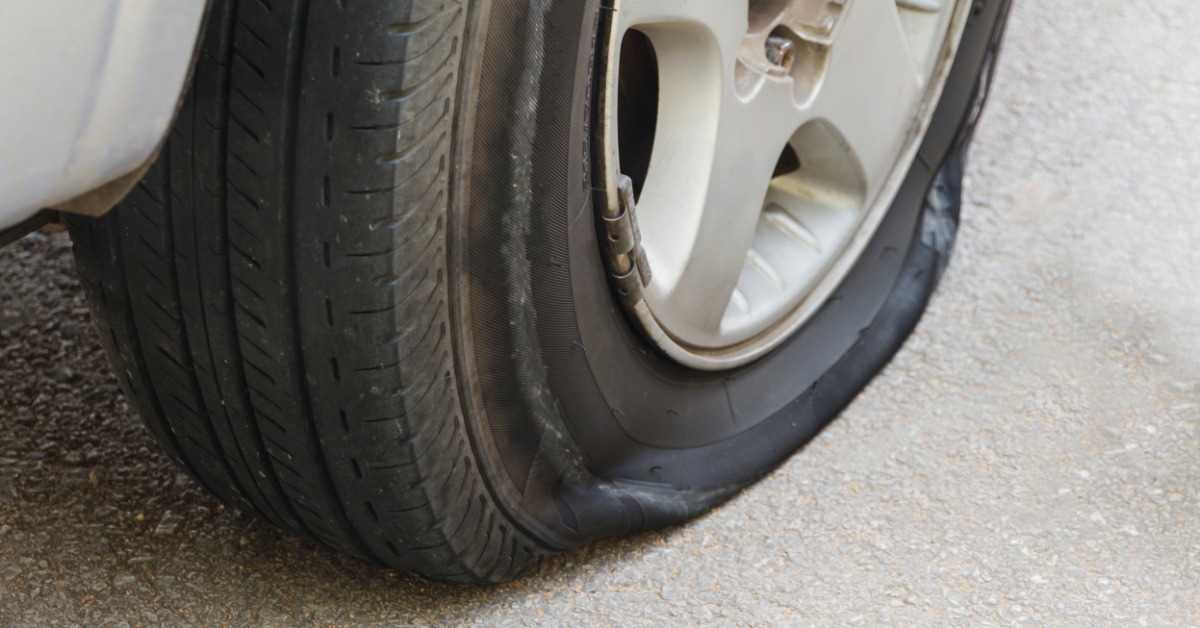
Cars sometimes need to sit, but a little preparation can reduce unnecessary tire stress. Start with correct tire pressure before storage. Proper inflation helps the tire support the vehicle without excessive deformation at the contact patch.
For longer storage periods, moving the vehicle periodically can shift the contact patch to another section of each tire. Even a small change in tire position keeps the exact same section from supporting the load for the entire storage period. Follow the vehicle and tire manufacturers’ storage recommendations for extended periods away from the road.
It also helps to choose a suitable parking area. A clean, dry surface protects the tires from unnecessary exposure to moisture, contaminants, and debris. Before the car returns to regular use, inspect the tires and check their pressure.
Flat spots can result from extended parking, low tire pressure, cold temperatures, excess vehicle weight, or severe skids. Some temporary spots fade once the tire warms and regains its shape. Permanent deformation or localized tread loss requires a closer look.
Don’t ignore a vibration just because your car recently spent time parked. If the ride doesn’t smooth out or you notice unusual tire wear, let a professional inspect the tires. Visit your local RNR Tire Express for tires in Columbus, MS, that will help you handle the road with ease.
By signing up you agree to our Privacy Policy.