Tires
|
May 30, 2019

A comfortable drive depends on more than soft seats and a well-tuned suspension. Tires have a major influence on how much vibration reaches the cabin and how much road noise drivers hear at highway speeds. Tire construction, tread design, air pressure, and road conditions all affect the way a vehicle feels from behind the wheel. For drivers who value a calm, refined ride, understanding what makes a tire ride smooth and quiet can make tire selection much easier.
RNR Tire Express helps drivers find tires that fit their vehicle, driving habits, and preferred ride characteristics. No single design feature determines ride quality on its own. Several parts of the tire work together every time the vehicle moves.
A tire may look simple from the outside, but several layers sit beneath the tread. Belts, sidewalls, internal cords, and rubber compounds all affect how the tire responds to bumps and changes in pavement. Engineers adjust these components to create different levels of stiffness, durability, and comfort.
Sidewall construction has a noticeable effect on ride feel. A more flexible sidewall can absorb part of the impact from expansion joints, patched pavement, and small potholes before that force reaches the suspension. A stiffer sidewall may provide sharper steering response, but the driver can feel more road texture inside the cabin.
The tire’s rubber compound also influences comfort. Some compounds provide more flexibility, which can help the tread conform to small surface variations instead of transferring each one into the vehicle. Tire manufacturers balance this characteristic against tread life, traction, and other performance demands.
Tire dimensions affect the amount of cushioning between the wheel and the road. A tire with a taller sidewall generally has more rubber available to absorb impacts. Low-profile tires place less material between the wheel and pavement, which can create a firmer sensation.
As a tire rolls, its tread blocks contact and release from the pavement many times each second. That contact produces sound, and tread design can influence how noticeable the sound becomes inside the vehicle. Drivers who shop for tires in Memphis may want to consider tread pattern alongside traction, expected mileage, and overall comfort.
Large, aggressive tread blocks can create more noticeable road noise than designs for everyday street use. They can strike the pavement with greater force and produce a distinct hum at certain speeds. Tires for passenger comfort usually use tread shapes and spacing that reduce repetitive sound patterns.
Manufacturers may vary the size and position of tread blocks around the tire. This approach changes the frequency of the sound each block produces. Instead of one strong tone, the tire creates a wider mix of quieter sounds that can feel less intrusive inside the cabin.
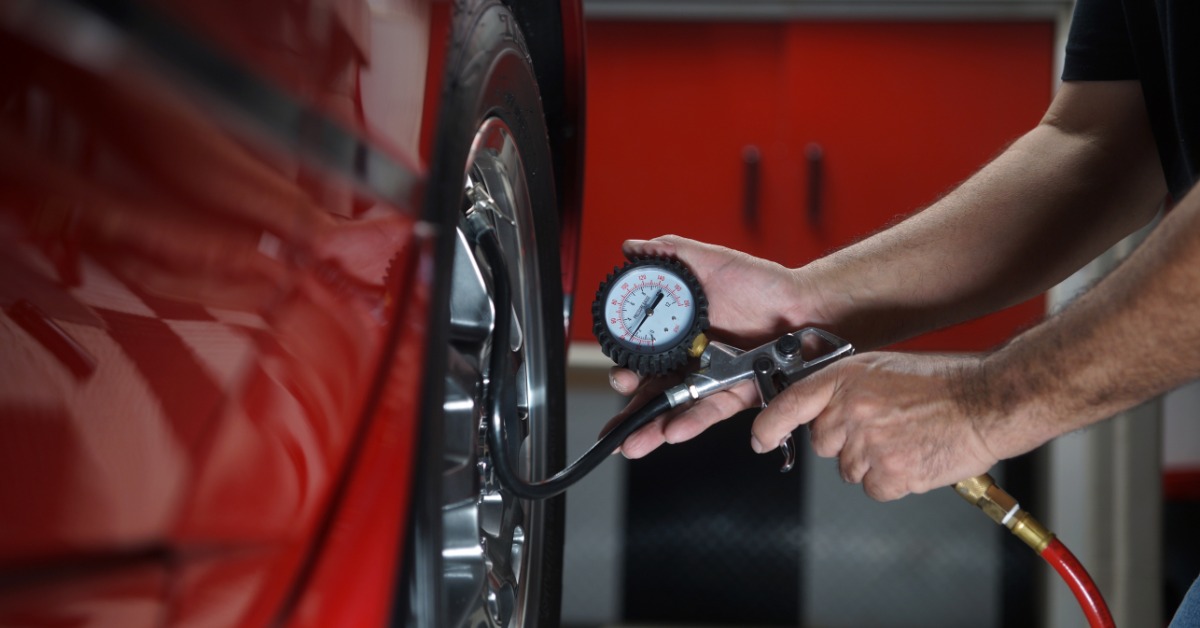
Proper tire pressure helps a tire maintain its ideal shape. Too much pressure can make the tire feel firm because the sidewall has less ability to flex over rough pavement. Drivers may notice sharper impacts through the steering wheel, seats, or floor.
Low pressure creates a different set of problems. The tire can flex more, which may affect handling and increase heat inside the tire. It can also alter the tread’s contact with the road and create unusual noise.
Drivers should use the vehicle manufacturer’s recommended tire pressure rather than the maximum pressure on the tire sidewall. The recommended figure usually appears on a label inside the driver’s door area or in the owner’s manual. Drivers should check tires when they’re cold for a more useful reading.
Even a tire designed for quiet highway travel will sound different from one road to another. Smooth asphalt typically produces less noise than coarse pavement because the tire encounters fewer sharp surface variations. Concrete roads can create a distinct hum, especially when the surface contains grooves or textured sections.
Road repairs can change the ride as well. Patches, seams, cracks, and worn pavement create small impacts that travel through the tire. A tire with comfort-focused construction can absorb some of that energy, but it cannot eliminate every sensation from a rough surface.
A tire that once ran quietly can become louder as its tread wears. Normal tread loss can change the sound characteristics of a tire, but irregular wear can create much more noticeable noise. A driver may hear humming, droning, or rhythmic sounds that rise and fall with vehicle speed.
Several conditions can contribute to uneven tread wear:
Regular tire inspections can reveal unusual wear before it becomes severe. A technician may see feathered tread edges, cupping, or areas that have worn faster than the rest of the tire.
Tires don’t wear at the same rate on every wheel position. Steering forces, drive-wheel loads, and vehicle weight distribution can produce different wear patterns at the front and rear. Tire rotation moves the tires to different positions so tread wear can progress more evenly.
Consistent rotation can support predictable handling and reduce the chance that irregular tread patterns create added vibration or noise.
A wheel and tire assembly must distribute weight evenly to rotate smoothly. Even a small imbalance becomes more noticeable as speed increases. Drivers may feel vibration in the steering wheel, seat, or floor when a balance issue develops.
A technician can place the wheel and tire assembly on specialized equipment to identify areas that need adjustment. Small wheel weights then help balance the assembly.
Vibration doesn’t always come from tire balance, though. Bent wheels, damaged tires, alignment issues, and worn suspension parts can create similar symptoms.

Different tire categories prioritize different characteristics. Touring tires may place more emphasis on comfort and low road noise, whereas performance tires may favor steering response and grip. All-season designs try to provide useful capability across a broad range of everyday conditions.
Vehicle type matters as well. A suitable tire for one car may behave differently on another because suspension design, vehicle weight, wheel size, and cabin insulation affect the overall experience.
Personal preference also shapes the decision. Some drivers prefer a firmer, more connected feel, and others value a softer ride with less cabin noise.
Now that you know what makes a tire ride smooth and quiet, you can find the ideal set for your vehicle. A tire that matches the vehicle and receives proper care can provide a more comfortable, composed ride throughout its service life.
RNR Tire Express can help drivers compare tire choices based on vehicle requirements, everyday driving needs, and preferred ride characteristics. Visit your local RNR Tire Express to explore available tires and payment options, and let the team help you find a set that delivers the comfort and road manners you want.
By signing up you agree to our Privacy Policy.