Wheels
|
Jul 1, 2019
Your vehicle depends on components you rarely see to keep its wheels secure and its ride controlled. The wheel hub is one of them. When a hub assembly develops a problem, you may hear an unfamiliar noise, feel vibration, or notice changes in steering.
Understanding wheel hub damage and its symptoms can help you avoid more serious mechanical trouble. This guide explains the symptoms, possible causes, and next steps.
A wheel hub connects the wheel to the vehicle’s axle or suspension assembly. Its mounting surface holds the wheel in place, and its design helps maintain proper wheel position as you drive.
Many passenger vehicles use hub assemblies with integrated wheel bearings. Bearings minimize friction so the wheel rotates smoothly. Depending on the design, the hub may also contain a magnetic encoder ring or other components the anti-lock braking system (ABS) uses.
A secure hub also aligns the wheel with the brake rotor and other nearby parts. When you apply the brakes or turn through a curve, the assembly must tolerate changing forces without excessive movement.
The hub and bearing aren’t identical. The hub supports the wheel, and the bearing permits rotation. Some vehicles combine them into one unit; others use separate, serviceable parts. This distinction affects repair costs and procedures because a technician may need to replace the complete assembly rather than a single bearing.
Wheel hub problems can resemble tire, brake, or suspension issues. No single symptom confirms damage, but several warning signs deserve attention.
A worn bearing may produce a humming or growling sound that increases with road speed. Sometimes the noise changes as you steer through a curve because weight shifts between the wheels.
A grinding sound can indicate more advanced wear, although brakes and other components can also cause grinding. Don’t rely on sound alone to identify the problematic wheel.
Excessive play in a deteriorating bearing can contribute to vibration or a less precise steering feel. You might notice unusual movement during a lane change or hear a clunk over rough pavement.
Wheel imbalance, damaged tires, and worn suspension parts can create similar sensations. If you’re shopping for tires in Hattiesburg, MS, persistent vibration is a reason to inspect the wheel-end components before assuming a new tire will solve it.
A damaged bearing may sound quieter on one stretch of road and louder on another. Road surface, vehicle speed, and the direction of a turn can change how clearly you hear it.
This inconsistency can tempt drivers to postpone an inspection. Yet a temporary reduction in noise does not mean the problem has disappeared. Track when the sound occurs and share those observations with your technician.
Some hub assemblies incorporate an encoder that helps a wheel speed sensor report rotation to the ABS. Damage to the encoder, sensor, or nearby wiring may trigger an ABS warning.
The light does not prove wheel hub failure. A technician can read diagnostic trouble codes and examine the sensor system to narrow down the cause.
Now that we understand the symptoms, what causes wheel hub damage? Hub assemblies face frequent loads from vehicle weight, road impacts, and cornering forces. Wear develops over time, but several conditions can accelerate it.
A hard impact can transfer force through the tire and wheel into the hub and bearing. Damage might become apparent immediately, or a new noise may develop later. After a serious impact, pay attention to vibration, steering changes, and visible wheel damage.
Bearings rely on grease and protective seals. If a seal fails, water and grit can enter the assembly, compromise lubrication, and promote corrosion. Moisture and salt exposure along the Gulf Coast make unusual wheel noises worth investigating rather than ignoring.
Improper installation can shorten bearing life. Certain designs require precise axle nut torque, and incorrect procedures may damage the assembly.
Excessive cargo weight also increases stress on wheel-end components. Follow your vehicle manufacturer’s load limits, and select replacement wheels that meet the vehicle’s fitment specifications.
A wheel bearing that develops excessive clearance may allow unwanted wheel movement. This can affect steering precision and, in severe cases, vehicle stability.
Advanced failure presents a greater hazard. A bearing can seize, and certain catastrophic failures may allow a wheel to separate from the vehicle.
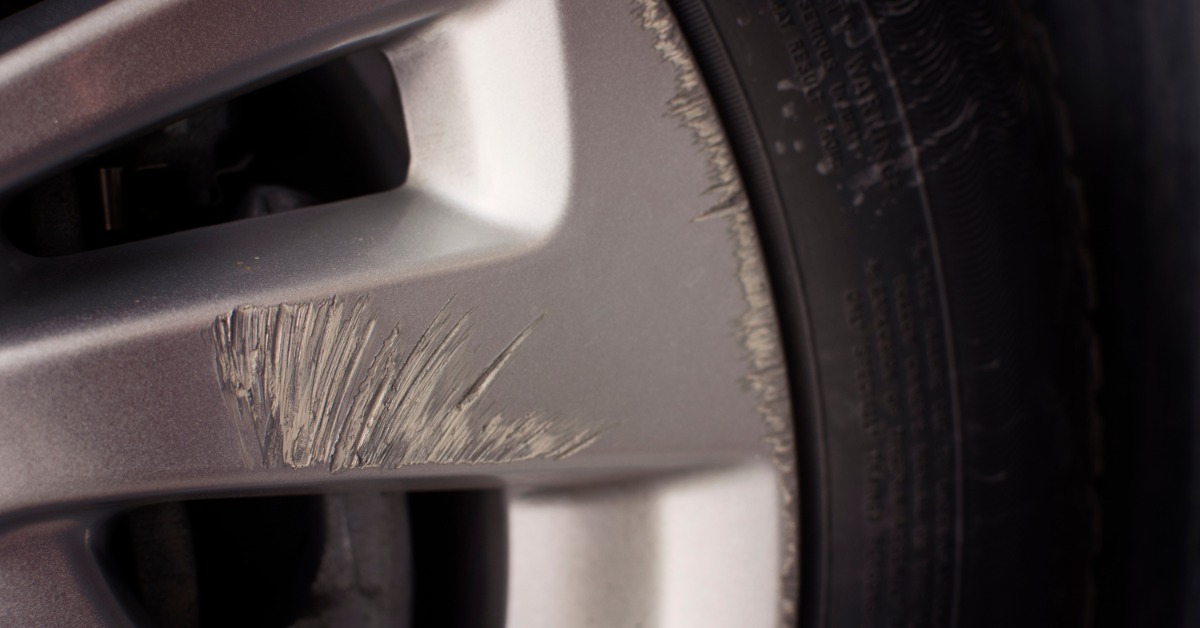
Movement in a severely worn hub assembly may affect nearby brake components and contribute to unusual tire contact. Uneven tire wear and brake pulsation also have many other causes, so don’t assume the hub is the problem.
A technician will usually combine a road test with a physical inspection. The exact process depends on the vehicle and its hub design. Common checks include:
A complete evaluation matters more than any single test. Never attempt an under-vehicle inspection without proper lifting equipment and support.
Once a technician confirms the failure, the next step depends on the vehicle design. Some cars require technicians to replace the sealed hub-and-bearing unit. Others allow mechanics to remove and press the bearing into place with special tools.
The technician should also inspect nearby components for damage and follow the manufacturer’s torque procedures during reassembly. Afterward, the vehicle may need additional checks to confirm that wheel rotation and ABS operation are normal.
A mild hum doesn’t reveal exactly how much bearing damage exists. Continuing to drive without a diagnosis risks letting a mechanical problem worsen.
If you experience pronounced wheel looseness, severe grinding, or sudden steering instability, pull over as soon as it is safe and arrange roadside assistance. Don’t continue driving to see if the symptom disappears.
You can’t prevent all bearing wear, but sensible vehicle care reduces avoidable stress. Maintain the manufacturer’s recommended tire pressure and stay within the vehicle’s load rating. Slow down for rough pavement when conditions allow, and avoid striking curbs.
After a hard road impact, check for changes in noise or handling. If you choose aftermarket wheels, confirm that their offset, mounting specifications, and load rating suit your vehicle. Correct installation procedures also matter when wheel-end components need service.
Wheel hub damage may reveal itself through humming, vibration, steering changes, or an ABS warning. Those symptoms overlap with other faults, so an inspection is the most reliable way to identify the cause.
For tire and wheel selection or fitment guidance, visit your local RNR Tire Express. The team can help you explore available tires, custom wheels, and payment options for your vehicle and budget.
By signing up you agree to our Privacy Policy.