Wheels
|
Jul 1, 2019

Choosing new wheels involves more than finding a design that complements your vehicle. Every wheel has specific measurements that determine how it fits, including a specification that many drivers overlook: wheel offset.
This measurement influences how your wheels sit inside the wheel wells and how your vehicle responds on the road. Understanding what wheel offset is and why it matters helps drivers make informed decisions before upgrading their wheels or changing their tire setup.
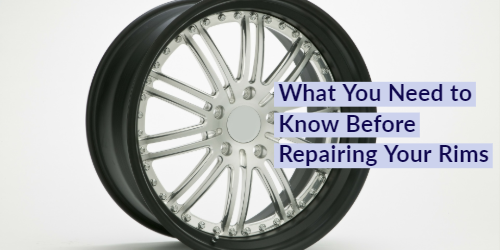
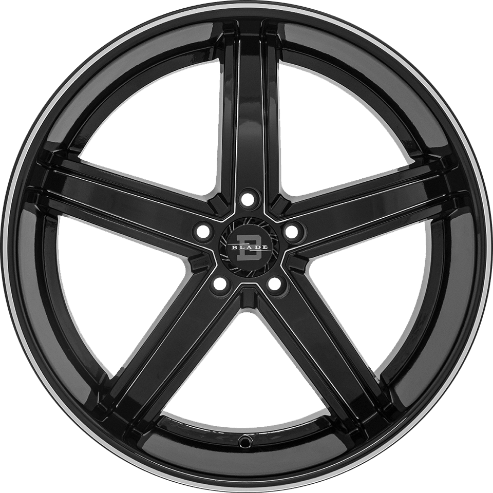
Wheel offset refers to the distance between a wheel’s mounting surface and its centerline, measured in millimeters. The mounting surface contacts the vehicle’s hub, while the centerline marks the midpoint of the wheel’s width. Manufacturers use this measurement to determine where the wheel sits relative to the suspension and fender.
Even a small offset difference can change how far a wheel extends outward or inward. This becomes particularly important when drivers replace factory wheels with aftermarket alternatives. Choosing the correct offset helps maintain adequate clearance and supports proper vehicle handling.
Wheel manufacturers classify offset into three categories based on the relationship between the mounting surface and the wheel’s centerline. Each type creates a different wheel position, which affects appearance and vehicle compatibility.
Most modern passenger vehicles use wheels with positive offset, although exact specifications vary considerably. Trucks with certain aftermarket wheel setups may use lower or negative offsets to achieve a wider stance. Understanding these differences makes it easier to compare replacement wheels without relying solely on their appearance.
Wheel offset affects more than just wheel position. It can also influence steering behavior because changing the wheel’s location alters its relationship with the suspension geometry. A substantial offset change may affect the scrub radius, which describes the distance between the tire’s contact patch center and the steering axis at the road surface.
When this relationship changes, drivers may notice different steering feedback or increased sensitivity to road imperfections. An improper offset can also place additional stress on wheel bearings by changing how forces act on the hub assembly. These effects depend on the vehicle’s original design and the modification size.
Maintaining an appropriate offset helps preserve the handling characteristics that manufacturers intended. Drivers considering aftermarket wheels should compare their choices against the vehicle’s original specifications rather than assuming every wheel with the correct diameter will perform similarly.
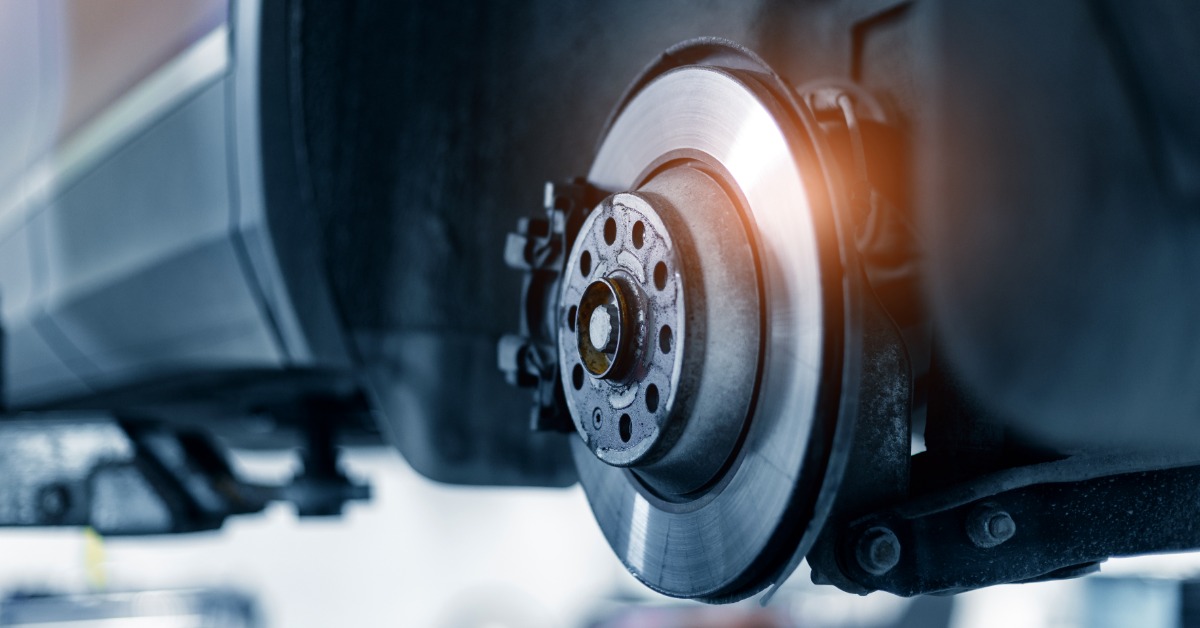
Clearance represents one of the biggest concerns when selecting wheels with a different offset. A wheel that sits too far inward may interfere with suspension components or brake hardware. Conversely, a wheel that extends too far outward may cause the tire to contact the fender during turns or suspension movement.
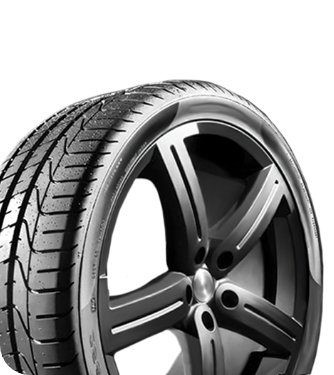
These problems become more noticeable when drivers combine offset changes with wider tires. Additional tire width changes the space the assembly requires, even when the wheel diameter stays the same. Proper fitment requires evaluating both measurements together.
Wheel width and offset work together to determine a wheel’s final position. Two wheels with identical offsets can sit differently when their widths vary. A wider wheel extends farther on both sides of its centerline, potentially reducing inner clearance while increasing outward extension.
For example, switching from an eight-inch-wide wheel to a nine-inch-wide wheel while maintaining the same offset adds approximately half an inch to each side. This adjustment may affect available space around the suspension or fender. The exact result depends on the original wheel dimensions.
Changing offset alongside width can help achieve a desired fit, but drivers must calculate both measurements carefully. Focusing only on offset numbers can lead to incorrect assumptions about wheel placement. A complete fitment assessment considers the wheel’s overall dimensions and the vehicle’s available clearance.
Start by identifying the manufacturer’s wheel specifications. Vehicle owners can often find this information in factory service documentation or through reputable wheel-fitment resources. The original equipment wheel provides a useful reference when comparing aftermarket options.
Many wheels also show their offset as a stamped or cast identification marking. For example, ET35 indicates a positive offset of 35 millimeters. The letters ET come from a German term referring to the wheel’s installation depth.
However, matching the original offset alone does not guarantee compatibility with a replacement wheel. Drivers must also verify bolt pattern, center bore, wheel width, and brake clearance. A knowledgeable wheel specialist can evaluate these measurements and recommend options that suit the vehicle’s specific requirements.
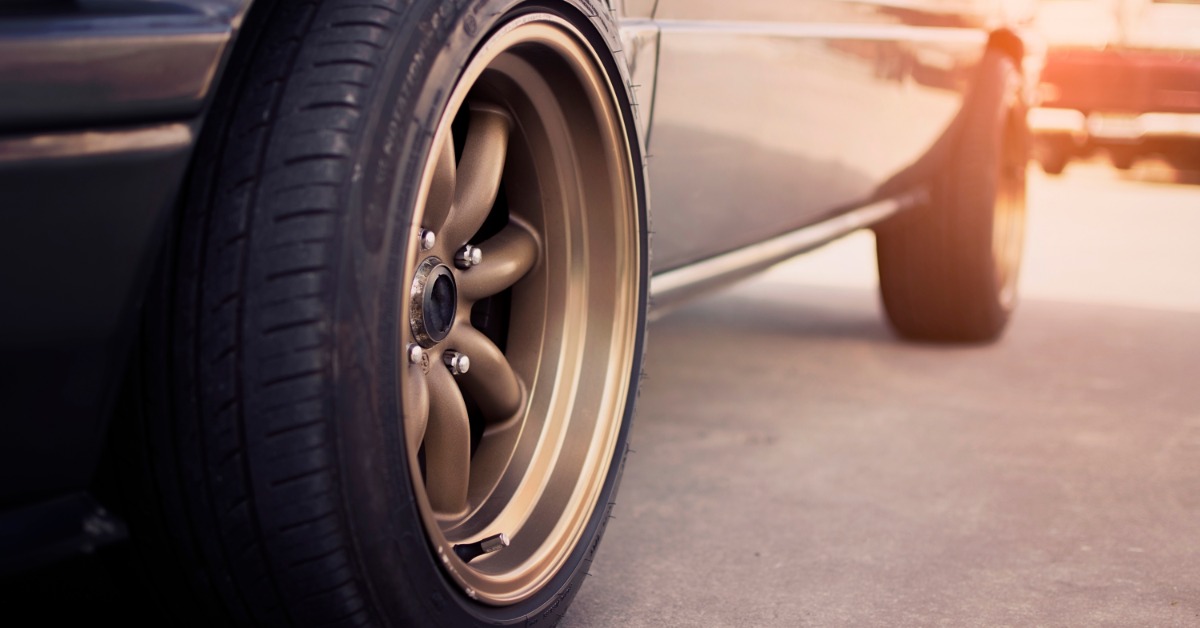
An unsuitable wheel offset can cause issues beyond cosmetic differences. Some problems appear immediately after installation, while others develop over time with repeated driving. The severity often depends on how far the new offset differs from the vehicle’s intended fitment.
Tire rubbing represents one of the most recognizable warning signs. Drivers may hear scraping noises when turning sharply or driving over bumps. Continued contact can damage tire sidewalls or surrounding vehicle components, making prompt inspection important.
Significant offset changes may also alter steering effort or increase loads on certain suspension components. In some cases, drivers notice that the vehicle feels less predictable over uneven pavement. These symptoms warrant a professional evaluation to determine whether wheel fitment contributes to the problem.
Aftermarket wheels let drivers personalize their vehicles while keeping practical everyday performance. Some prefer wheels that sit nearly flush with the fenders, while others want a more conservative factory-style appearance. Wheel offset plays an important role in achieving either result.
However, appearance should never outweigh proper fitment. A wider stance may look appealing, but pushing the wheels too far out can create clearance issues and change steering characteristics. The best choice balances the desired appearance with the vehicle’s mechanical requirements.
Drivers should also consider future tire replacements when selecting aftermarket wheels. A setup with minimal clearance may limit available tire sizes later. Choosing compatible wheel dimensions from the beginning makes routine maintenance easier and helps avoid unnecessary modifications.
Understanding wheel offset makes shopping for replacement wheels considerably easier, but selecting the right fit still requires careful attention. Vehicle specifications vary, and even similar models may need different wheel configurations depending on trim level or brake package. Professional guidance helps narrow your options.
At RNR Tire Express, drivers can explore brand-name wheels and find services that support their vehicles’ overall performance. Our tire shop in Corpus Christi also offers payment options that make buying a new wheel and tire package more manageable.
Before you decide, confirm the wheel dimensions match your vehicle’s requirements. The right wheel offset supports proper fitment while helping you achieve the appearance you want. Visit RNR Tire Express to discuss compatible wheel options and take the next step toward your ideal setup.
By signing up you agree to our Privacy Policy.