Maintenance
|
Jul 23, 2019
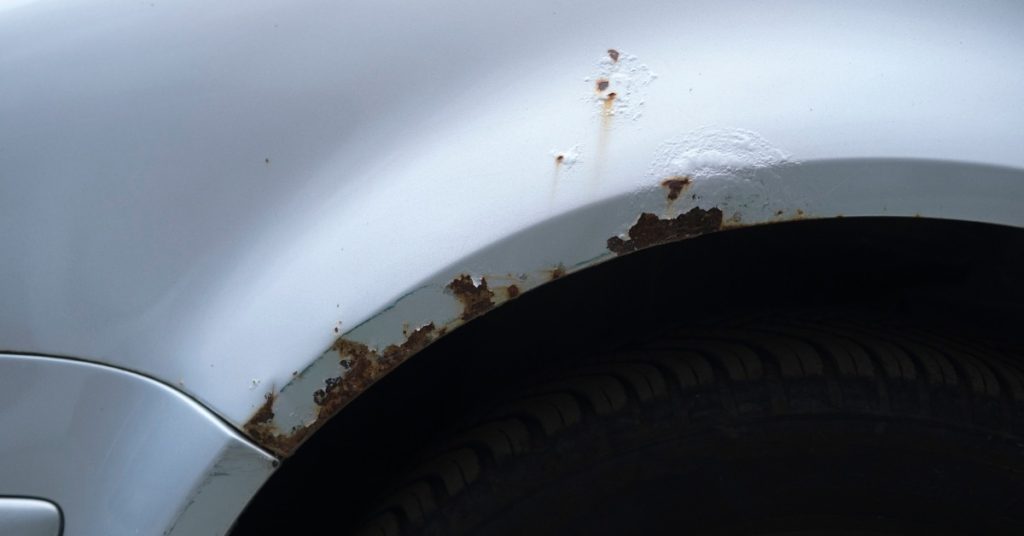
Your wheels face more abuse than you might realize. Every trip exposes them to moisture, road debris, brake dust, and contaminants that gradually attack their protective finish. What starts as a faint discoloration can eventually develop into visible corrosion that affects the appearance and condition of your wheels. Follow our guide to learn how you can start catching and preventing wheel corrosion before it spreads.
Corrosion occurs when wheel materials react with environmental elements, particularly moisture and oxygen. Although modern wheels feature protective finishes, those barriers can deteriorate through everyday use. Once exposed metal comes into contact with corrosive substances, damage can gradually spread across the affected surface.
Rainwater alone isn’t necessarily the biggest threat to your wheels. The real trouble begins when moisture combines with road salt, dirt, or other contaminants that cling to exposed surfaces. These substances can accelerate deterioration, especially around scratches and areas where the protective coating has worn away.
Coastal environments present another challenge because airborne salt can settle on vehicle surfaces. Even drivers who rarely visit the beach may encounter salty moisture throughout coastal communities. Regular cleaning helps remove these deposits before they have an opportunity to damage the finish.
Brake dust accumulates naturally as your vehicle’s brake components experience friction. These particles can adhere to wheel surfaces and become harder to remove after prolonged exposure to heat and moisture. Neglected deposits may contribute to finish deterioration, especially when aggressive cleaning methods damage the protective coating.
Small scratches also deserve attention because they create openings in the wheel’s finish. A minor scrape against a curb might appear cosmetic at first, yet exposed metal becomes more vulnerable to corrosion. Address surface damage promptly rather than waiting for visible deterioration.
Wheel corrosion doesn’t always announce itself through dramatic rust patches. Different wheel materials exhibit distinct symptoms, and some warning signs can resemble ordinary dirt. Knowing what to examine helps you distinguish routine grime from damage that deserves closer attention.
Aluminum alloy wheels may develop cloudy patches or dull areas as their protective finish deteriorates. Some surfaces display white, powdery deposits rather than the reddish rust associated with iron-based metals. These changes can indicate oxidation beneath or around damaged coatings.
Pay particular attention to areas near the wheel spokes and outer edges. Corrosion can begin in small sections before gradually affecting neighboring surfaces. If discoloration remains after gentle cleaning, the finish may need professional evaluation.
A damaged clear coat can develop bubbles or begin to peel as corrosion advances beneath it. You might notice raised sections near the wheel lip or small patches where the finish appears separated from the metal. These defects deserve attention because trapped moisture can worsen the deterioration.
Texture provides another useful clue during an inspection. A healthy wheel finish generally feels smooth, but corroded sections may develop rough or pitted surfaces. Avoid scraping suspicious areas with sharp objects, as additional scratches can expose more metal.
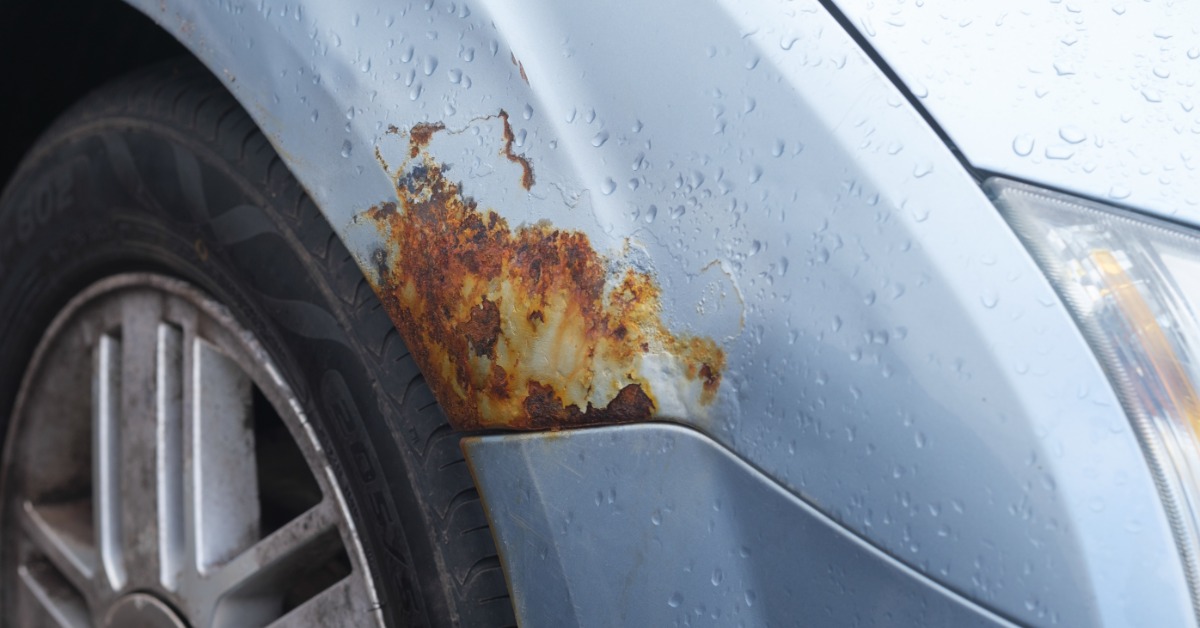
Not all corrosion appears on the decorative face of a wheel. Moisture can affect the area where the tire bead contacts the rim, potentially interfering with the airtight seal. Drivers may notice gradual tire pressure loss even without an obvious puncture.
A technician can inspect the bead-seat area after safely removing the tire. Corrosion in this location requires careful assessment because excessive material loss may compromise the wheel’s serviceability. Never assume that a cosmetic treatment will resolve damage near a critical sealing surface.
Prevention begins with consistent habits rather than expensive products or complicated procedures. A few adjustments to your regular vehicle care routine can help preserve wheel finishes. The best approach combines gentle cleaning with periodic inspections and prompt attention to damage.
Choose a wheel cleaner compatible with your specific wheel material and finish. Harsh chemicals can damage certain coatings, so follow the manufacturer’s instructions before applying any product. Use a soft brush or microfiber cloth to remove dirt without scratching the surface.
Consider these straightforward maintenance habits:
Allow hot wheels to cool before applying cleaning products. High temperatures can cause solutions to dry prematurely and leave unwanted residue. A gentle wash performed consistently offers better protection than aggressive scrubbing after months of neglect.
Protective products designed for automotive wheels can provide an additional barrier against environmental contaminants. Some wheel sealants and coatings help reduce the adhesion of dirt and brake dust. Select a product compatible with the existing finish, and follow its application directions carefully.
Protection doesn’t eliminate the need for regular maintenance. Even coated wheels can suffer damage from curb contact or abrasive debris. Inspect the finish periodically, and address scratches before moisture reaches exposed metal.
Coastal roads can expose wheels to salt residue even when conditions appear dry. After a beach trip or extended drive near saltwater, rinse your wheels with fresh water. Focus on accessible crevices where residue can accumulate beyond the visible wheel face.
Don’t overlook the inner barrel during routine maintenance. Contaminants can collect behind the spokes, away from your usual line of sight. A thorough inspection during tire service can reveal deterioration that casual exterior cleaning might miss.

Minor surface discoloration doesn’t automatically mean your wheels need replacement. Some cosmetic defects can be addressed through appropriate refinishing methods, depending on the wheel’s construction and condition. Deeper corrosion demands a different approach because appearance alone cannot establish structural safety.
If you notice extensive pitting, cracks, persistent air loss, or damage around mounting surfaces, arrange a professional inspection. A qualified technician can determine if the wheel remains suitable for service. Never attempt to conceal severe corrosion beneath paint without first assessing the underlying metal.
Wheel care works best when it becomes part of your regular vehicle maintenance routine. Inspect your wheels after washing your car, check for finish damage, and respond to unusual tire pressure loss. These small habits can help you identify potential problems before they demand more extensive attention.
The principles behind catching and preventing wheel corrosion before it spreads are straightforward. You must remove contaminants, protect exposed surfaces, and take visible deterioration seriously. A well-maintained set of wheels can preserve your vehicle’s appearance and help you avoid preventable damage. For professional assistance or a fresh set of wheels, visit your local tire shop in Columbus, MS, and explore the available options for your vehicle.
By signing up you agree to our Privacy Policy.