Tires
|
Mar 13, 2026
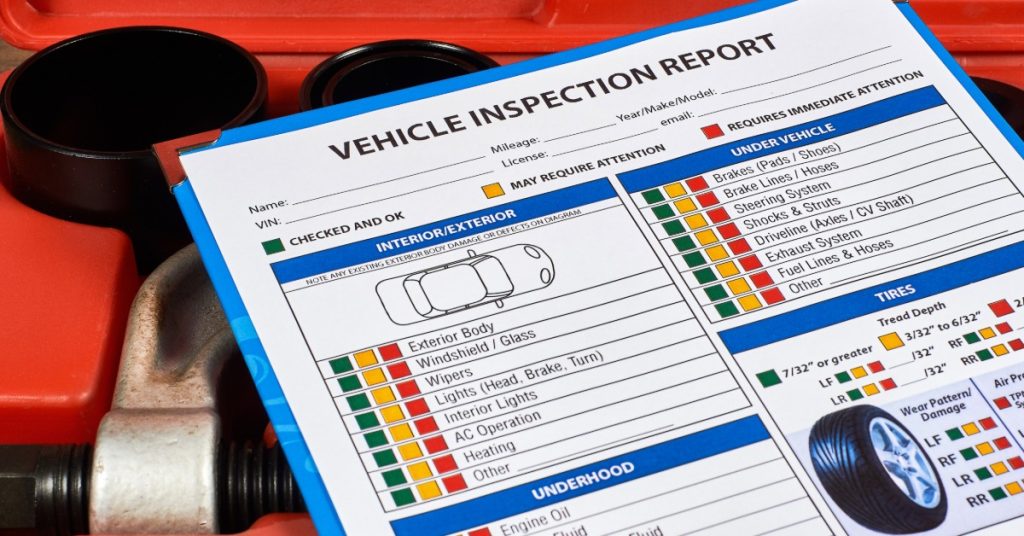
Most drivers rely on their vehicles every day without giving much thought to the systems that keep them on the road. A car may feel perfectly normal even when tire wear, fluid loss, or other small issues start to develop. Regular inspections give drivers a chance to spot those concerns before they become complex.
Regular vehicle inspections matter because they give you a clearer picture of your car’s overall condition. Instead of waiting for a warning light, unusual noise, or poor ride quality, you can take a more proactive approach to maintenance. That can help you plan repairs around your schedule and budget rather than forcing you to react to an unexpected problem.
Many automotive problems start small. A tire may develop uneven tread wear, a belt may show cracks, or a fluid level may begin to drop. None of these conditions necessarily causes an immediate breakdown, but each one deserves attention.
An inspection gives a technician the chance to look for visible wear and other signs that something needs service. Early attention may keep a minor concern from placing additional stress on nearby components.
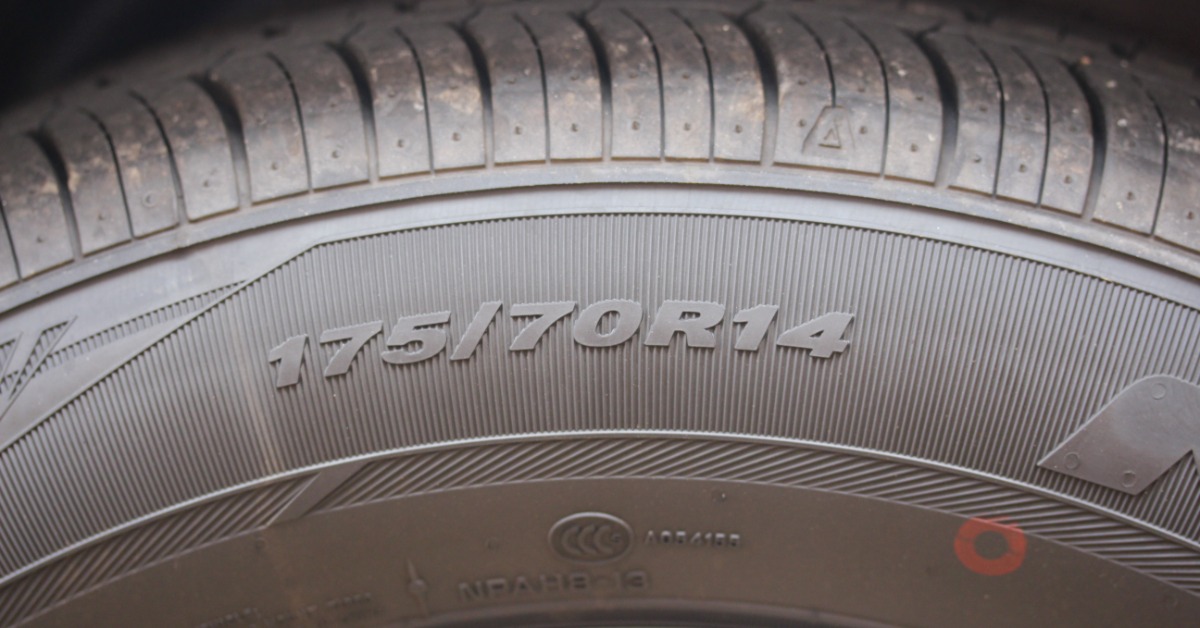
Your tires provide the vehicle’s contact with the road, so their condition deserves regular attention. A tire inspection can reveal tread wear, low air pressure, sidewall damage, punctures, or other visible concerns.
Tread patterns can also tell a technician something about the vehicle itself. Wear that appears heavier on one edge, for example, may point toward an alignment or suspension concern.
Drivers who shop for tires in Mobile, AL, can also use an inspection as a chance to understand the condition of their current set before they decide on replacement.
Another reason why regular vehicle inspections matter is safety. A vehicle depends on many systems that work together each time you drive. Tires, brakes, steering components, suspension parts, lights, and fluids all contribute to the way a vehicle responds on the road.
Regular inspections help identify visible problems that could affect that response. For example, damaged tires may reduce traction, and worn suspension parts can affect vehicle control. Fluid leaks can also point to a system that needs professional attention.
Drivers should still pay attention to changes between inspections. New vibrations, unusual noises, pulling to one side, or changes in brake feel all deserve prompt evaluation.
Brake wear develops over time, and drivers may adapt to gradual changes without realizing it. An inspection gives a technician the opportunity to check visible brake components and identify signs of wear.
Some drivers first notice a brake concern through squealing, grinding, or a change in pedal feel. Drivers should never ignore those symptoms. Inspection before symptoms appear can provide more time to address worn components under normal circumstances.
Brake condition can also affect how confidently a vehicle responds in traffic. Consistent inspections help drivers stay aware of their system’s condition instead of relying only on obvious warning signs.
Uneven tread wear deserves attention because it may indicate more than an aging tire. Tire pressure, wheel alignment, suspension condition, and driving habits can all influence how tread wears across the tire.
A technician can compare the tread across each tire and look for patterns. Wear along the inner or outer edge may suggest an alignment concern, for example. Wear in the center or along both shoulders can also provide useful clues about tire pressure.
Early detection gives drivers a chance to correct the underlying issue before a tire loses more usable tread. It may also help protect a newer set of tires from premature wear after replacement.
Air pressure affects tire contact with the road, tread wear, ride quality, and vehicle response. Tires gradually lose pressure over time, and temperature changes can also affect their readings.
Drivers should check tire pressure according to their vehicle manufacturer’s recommendations. The correct specification usually appears on a placard inside the driver’s door area rather than on the tire sidewall.
Unexpected repairs can disrupt a household budget. Inspections cannot predict every mechanical problem, but they can give drivers more information about parts that show visible wear or need service soon.
That information makes maintenance easier to prioritize. A technician may identify something that requires immediate attention and another item that can wait until a future visit. Drivers can then make informed decisions based on the condition of the vehicle.
This approach is particularly useful for people who depend on one vehicle for work, school, appointments, and family responsibilities. A little advance notice can make automotive service much easier to fit into daily life.
Daily drives can hide problems because familiar routes tend to place predictable demands on a vehicle. A longer highway trip may expose tires and other components to extended use, higher speeds, heavier loads, and changing road conditions.
A pre-trip inspection provides a chance to look at tire condition, air pressure, fluid levels, lights, and other basic areas before departure. Addressing a concern at home is much easier than discovering it far from your usual service provider.
Drivers should also consider how much extra weight the vehicle will carry. Passengers and luggage can affect how the vehicle handles, and tire pressure should follow the manufacturer’s specifications for the vehicle.
Alabama drivers deal with heat, heavy rain, and temperature changes throughout the year. Those conditions can affect tire pressure, traction, battery performance, and other parts of a vehicle.
Summer heat can place additional stress on tires, especially if they already have low pressure or visible damage. Heavy rain can also highlight the limits of worn tread because tires must move water away from the contact area.
Seasonal inspections give drivers a practical time to review their vehicle before weather patterns change. They can also serve as useful reminders to check maintenance items that may otherwise slip through the cracks.
Drivers can perform several useful checks without special tools. Tire pressure, tread condition, exterior lights, and visible fluid levels are reasonable areas to monitor between service appointments.
Professional inspections provide a different level of access and experience. A technician can examine parts that may not be easy to see at home and recognize wear patterns that an average driver might overlook.
Regular vehicle inspections help drivers understand the condition of their cars before small concerns turn into inconvenient surprises. They provide useful insight into tires, brakes, suspension components, fluids, and other areas that influence everyday vehicle performance.
A consistent inspection routine can also make maintenance easier to plan. Instead of waiting for symptoms to become severe, you can respond to wear with better information and more flexibility.
If your vehicle is due for tire service or you want a professional look at your current tires, visit RNR Tire Express. Our team can help you assess your tire condition, review replacement options, and find a solution that fits your vehicle and budget.