Misc.
|
Jul 28, 2023
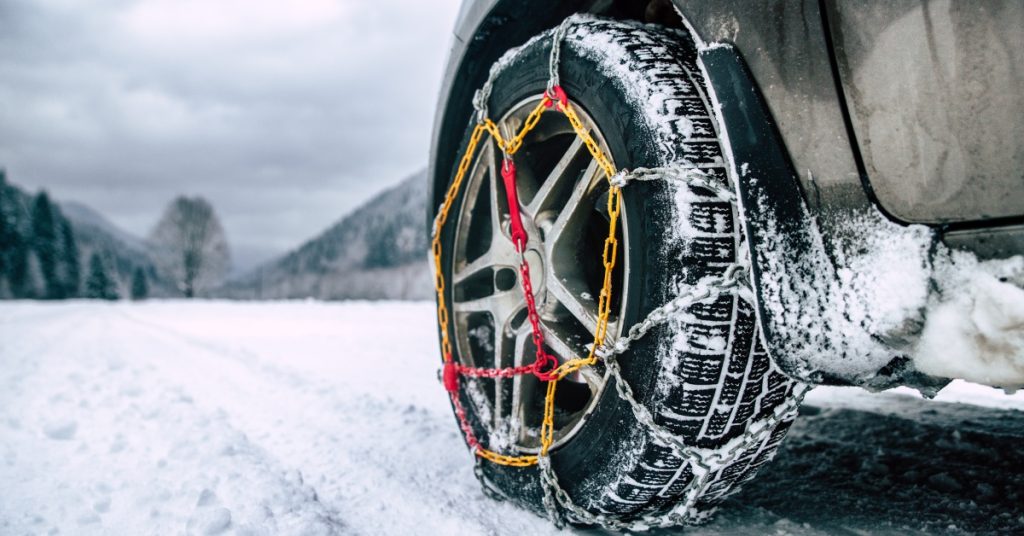
When heavy snow starts falling during the winter, you’re probably worrying about your home and how you’ll operate in the cold weather, but have you considered your car’s tires?
Many drivers use snow chains to help their tires grip the road in winter weather. They are a great addition to drive safely in snowy conditions, but they aren’t always the best option. When the weather is constantly changing, the long-term effects of using snow chains can harm your tires.
It might feel convenient to leave them attached just in case the snow returns, or perhaps the thought of kneeling in the cold to remove them is unappealing. However, driving on asphalt with snow chains is one of the fastest ways to damage your tires and your vehicle.
Snow chains serve a specific purpose: to provide grip on deep snow and thick ice. They work by digging into the frozen surface, serving as anchors that keep your wheels from spinning out. They are heavy-duty tools for heavy-duty conditions.
When used in the right environment, they are lifesavers. They allow you to climb hills and stop safely in conditions that would otherwise leave you stranded. But that heavy-duty metal is harder than both the rubber of your tires and the asphalt of the road. When the snow layer between the chain and the road disappears, the dynamics change immediately.
When you drive on bare pavement with chains, you are subjecting your tires to intense, localized pressure.
Think of every link in the chain as a small hammer. On snow, the soft surface absorbs the chain’s impact. On hard asphalt, there is no absorption. With every rotation of the wheel, the chain slams into the hard road, and your tire crushes the metal into the asphalt. This can gouge out chunks of rubber, leading to severe tread damage.
Your tire’s basic design allows it to flex, but being restricted by metal cages on high-friction surfaces is not a part of its design. Driving on asphalt generates significantly more heat than driving on snow. The friction between the road, the chain, and the tire’s rubber creates a heat spike that can degrade the tire’s structural integrity. Over time, this heat can cause the rubber to separate from the internal belts, leading to a catastrophic blowout.
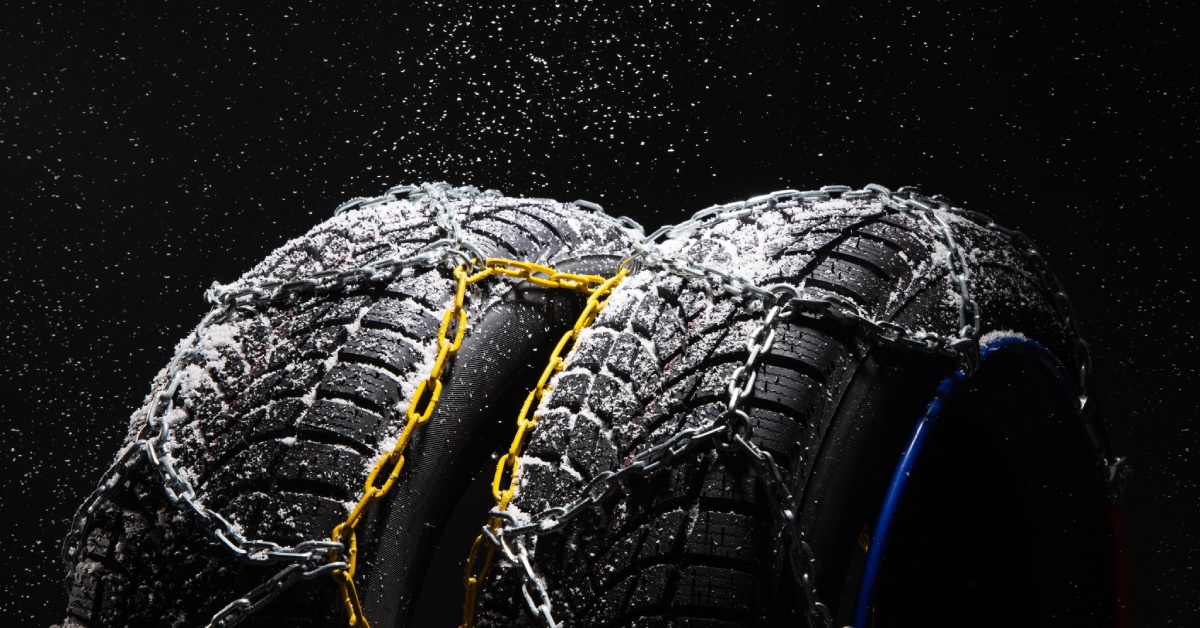
Chains do not cover the tire perfectly evenly. As you drive on a hard surface, the weight of the car bounces over the chains. This creates an uneven ride and, consequently, uneven tire wear. You might find that a set of tires intended to last 50,000 miles need replacements in half that time due to extended chain use.
The damage doesn’t occur with just the rubber. Leaving chains on too long can wreak havoc on the rest of your vehicle, leading to expensive repair bills that you could have avoided.
If a link in the chain breaks while you are driving on clear pavement, which is common due to the stress placed on the metal, the loose chain becomes a flailing whip. At 30 miles per hour, a loose chain can tear through wheel wells, brake lines, and suspension components.
For the commuter who relies on their car daily, this kind of breakdown is a nightmare. It means days in the shop and a hefty bill, all because the chains stayed on a few miles too long.
Tire chains help you stay safe on snowy roads, but using them on clear pavement actually reduces your safety.
Metal slides on asphalt. While rubber is meant to grip the road, steel is not. When you have chains on dry or wet roads, your braking distance increases significantly. If you have to slam on the brakes to avoid an obstacle, the chains may cause you to skid rather than stop.
Furthermore, the vibration and shaking caused by driving on chains affect your vehicle’s handling. Steering becomes less responsive, and the ride becomes incredibly uncomfortable. This vibration can also loosen bolts and rattle other parts of the car over time.
To maximize vehicle longevity and ensure you aren’t wasting money on affordable repairs that turn into expensive replacements, follow these simple guidelines.
As soon as you hear the “clack-clack-clack” of chains hitting the pavement, it is time to pull over. If you can see the black of the asphalt clearly, the chains need to come off. It is better to spend ten minutes removing them than to spend hundreds of dollars on new tires.
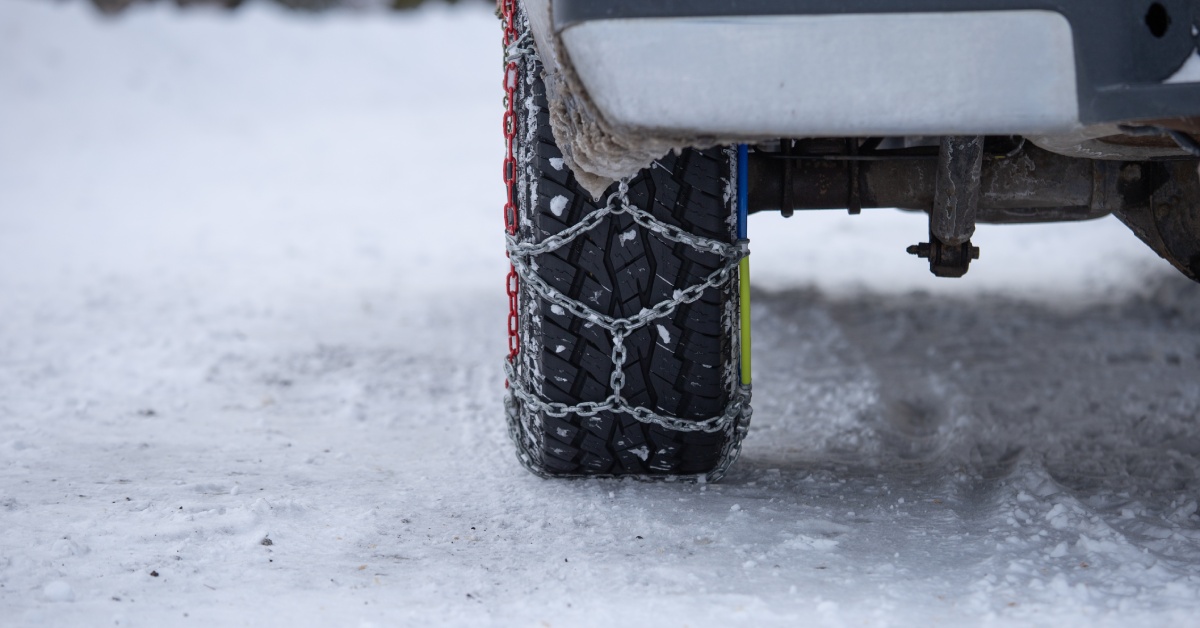
If you must drive a short distance on a plowed road to get to a safe pull-off spot, keep your speed low. Most manufacturers recommend staying under 30 mph (50 km/h). Exceeding this speed increases centrifugal force, pulling the chains away from the tire and increasing the risk of snapping, which can cause damage.
After you remove your chains, take a moment to inspect your tires. Look for cuts, missing chunks of tread, or exposed wire. If you track your ride and maintenance history, log when you used chains and if you noticed any unusual wear. This data can help you predict when you might need tire maintenance.
If you live in an area where the weather is unpredictable—snowing one minute, raining the next—chains might not be the most efficient option.
Unlike chains, winter tires are designed to stay on all season. They use a special rubber compound that stays flexible in cold temperatures and a tread pattern that grips snow and ice. They handle dry pavement perfectly fine, offering a seamless transition between snowy side streets and plowed highways.
These are fabric covers that go over the tire. They provide traction in snow but are less damaging to the road and the tire if you briefly hit a dry patch. However, like chains, they will wear out quickly on asphalt.
Now that you understand the long-term effects of using snow chains on your tires, you can drive safely during the winter. With the right knowledge and a little bit of effort, you can navigate the season safely. Remember, the goal is to get from point A to point B efficiently and safely. Sometimes, the safest thing you can do is pull over and take the chains off.
If you’re looking for winter tires, you can browse a variety of options at RNR Tire Express. Our tire shop in Lubbock is a great place to stop when preparing for winter driving. With our affordable payment options, you can shop for the best tires for your car without breaking the bank. Visit us today and be ready when the winter weather arrives.