Misc.
|
Jul 28, 2023
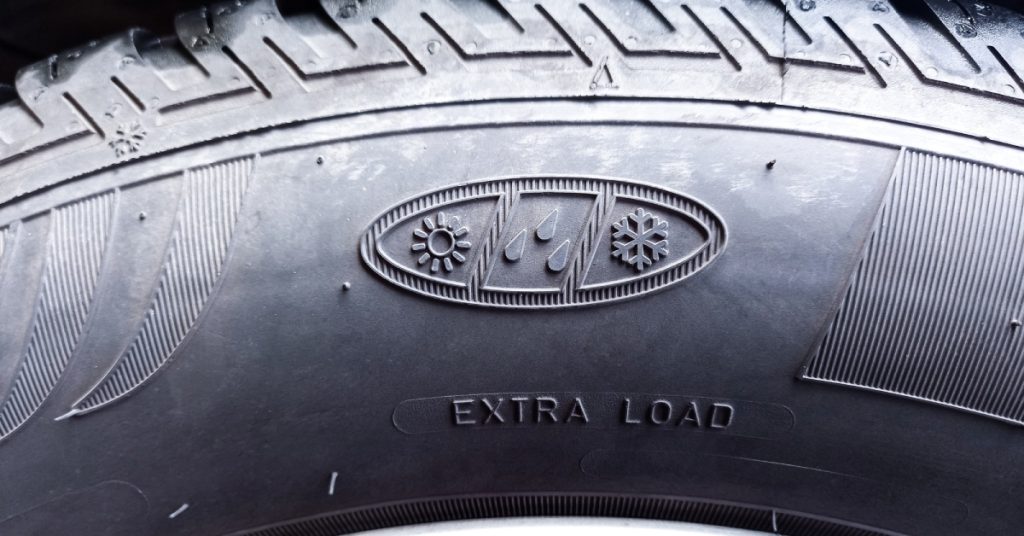
Drivers often lump “all-season” and “all-weather” into the same bucket, but these tires serve different priorities. All-season tires focus on broad everyday comfort and tread life in mild climates. All-weather tires aim for four-season capability, including real winter traction, without forcing you into a dedicated winter set.
But what makes a tire “all-weather” instead of all-season? Well, manufacturers design all-weather tires to remain flexible in cold temperatures and to bite into light snow. They do that through a winter-leaning rubber compound and a tread pattern that moves water, slush, and snow more aggressively.
If you want one set year-round and you face occasional winter conditions, all-weather usually fits better than all-season. Let’s explore some more of the differences and qualities that separate all-weather and all-season tires.
All-season tires work best when your roads stay mostly dry or wet, and winter stays mild. They provide predictable steering, decent braking in rain, and quieter road manners for daily commuting. Many drivers also like the longer tread life that all-season options often deliver.
All-season tires struggle when temperatures fall, and the road turns slick with snow or ice. The rubber can stiffen, and the tread blocks cannot grip as well. You might still move forward, but you will not stop or turn with the confidence you want.
If you never see snow, all-season tires can make total sense. If winter shows up even a few times a year, you should understand what “all-season” does not promise.
Now that we understand all-season tires, let’s dive into where all-weather tires differ. It first starts with the rubber compound, which sets the baseline for traction. All-weather tires use a compound that remains pliable in cold temperatures, helping the tire conform to the road surface. That flexibility improves grip on cold mornings, in winter storms, and in the shoulder seasons when temperatures swing wildly.
All-season tires use a compound that prioritizes wear resistance and warm-weather stability. That choice helps tread life, but it reduces cold traction when the rubber stiffens. You will notice the difference most in braking and cornering.
Think of it like shoes: sneakers can handle a drizzle, but they struggle on ice. A winter-capable boot grips better because the materials and tread match the conditions.
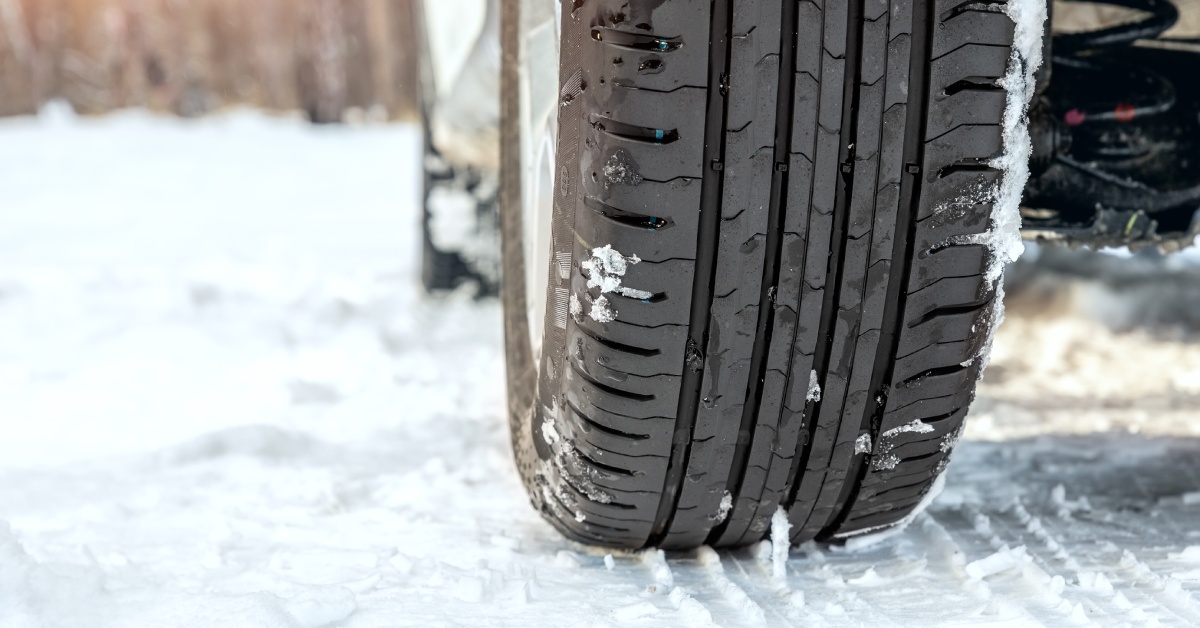
Tread design plays a huge role in traction. All-weather tires typically use deeper grooves, more biting edges, and higher-density siping. Sipes are the small slits in the tread blocks that open under load and grab the surface.
All-weather tread patterns also manage slush and packed snow more effectively. They evacuate water to reduce hydroplaning, and they create more edges to grip snow. Those extra edges matter when you brake on a cold, wet intersection or pull away on a lightly snow-covered incline.
All-season tires usually have fewer sipes and larger tread blocks to improve stability and long-term wear. That design improves comfort and handling in warm conditions, but it sacrifices winter bite.
All-weather tires do a lot, but they do not break physics. You should expect some trade-offs compared with a specialized tire.
Here’s what drivers typically notice when they switch from all-season to all-weather:
All-weather tires also cannot match a dedicated winter tire on ice or deep snow. Winter tires use even softer compounds and more aggressive siping. If you drive in harsh winters for months at a time, you still benefit from a true winter set.
For many drivers, all-weather delivers the best balance: one set, year-round, with fewer “white-knuckle” moments.
All-weather fits drivers who face changing conditions and want one dependable setup. You should strongly consider all-weather if you check at least a few of these boxes:
You commute early in the morning when temperatures drop below freezing. You drive through rain and cold fronts that leave wet roads slick. You see snow a handful of times each year, but you do not want a second set of wheels. You travel for work and cross climates that shift quickly.
All-season tires can still fit if you live in a warm region and you rarely see winter weather. It can also work if you want maximum tread life and prioritize quiet comfort over winter grip. Your choice should match your worst driving days, not your best ones.
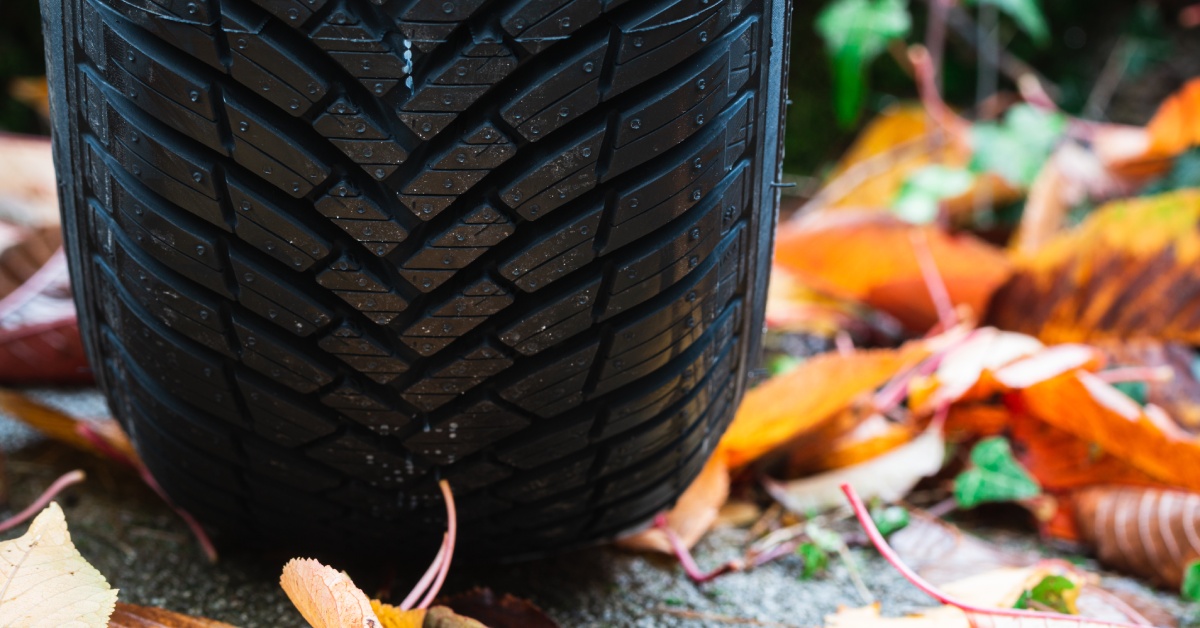
Drivers often blame the road when the tire causes the problem. Watch for these signs that your all-season tires cannot keep up:
Your traction control light flashes constantly in cold rain. Your stopping distance grows noticeably on chilly mornings. Your vehicle feels unsettled during turns on wet, cold pavement. You hesitate to drive when a light dusting of snow covers the roads.
If you notice those issues every year, you likely need more cold-weather grip. All-weather tires solve that gap for many daily drivers.
You can pick a great category and still buy the wrong tire. Use these quick rules when you shop:
Match the tire size to your door placard or owner’s manual. Confirm the correct load index and speed rating for your vehicle. Decide what matters most: winter traction, tread life, comfort, or a balanced blend. Compare warranties, but focus on real performance ratings when winter arrives.
If you want help choosing the right set and manageable payment options, RNR Tire Express can walk you through options that fit your driving and budget. If you shop for Tires in Lubbock, you can also speak with our local team that understands the road conditions you face throughout the year.
While understanding the difference between all-weather and all-season tires helps you choose the best option for your car, you still need proper maintenance. Tires cannot perform if you neglect the basics. You should check the air pressure monthly, especially when temperatures change.
You should also rotate your tires on schedule. Rotation keeps tread wear even and helps your set keep predictable grip. If your vehicle pulls or your steering wheel shakes, ask for an alignment and balance check. RNR Tire Express also offers these services, along with tire repairs and replacements. Trust us with your tires and enjoy the open road all year long.
Good tires plus good maintenance deliver the safety you pay for. You can extend tire life and maintain strong winter traction by staying consistent with these habits.