Maintenance
|
Jul 23, 2019
Tire noise can get your attention fast. If you hear tire noise while turning, accelerating, braking, or pulling out of a parking space, do not ignore it. The sound may come from the tires themselves, but it can also be due to the alignment, suspension, braking, or worn components that affect how the tires meet the road. Understanding the most common causes of squealing and screeching tires can help you describe the issue clearly and get the right repairs faster.
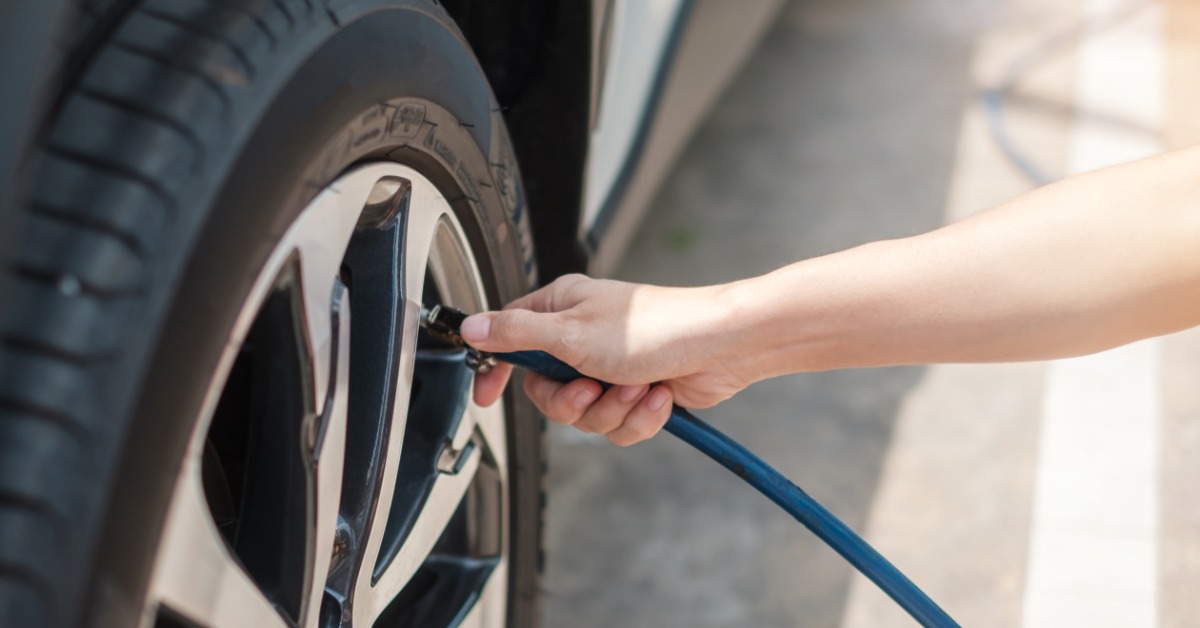
Low tire pressure is one of the simplest and most common causes of tire squeal. When a tire does not have enough air, its shape changes, and the tread may not contact the road evenly. That can create extra drag and a high-pitched noise, especially during turns or slow-speed maneuvers. Underinflated tires can also wear out faster and make the vehicle feel less responsive.
Checking air pressure is a smart first step when the noise starts. Compare the pressure in each tire to the vehicle manufacturer’s recommended setting, not the number printed on the tire sidewall. If one tire keeps losing air, you may have a puncture, a leaking valve stem, or wheel damage that needs repair.
When your wheels are out of alignment, the tires do not point in the exact direction they should. That causes the tread to scrub across the pavement instead of rolling cleanly. The result can be squealing during turns, a pulling sensation in the steering wheel, or uneven wear across the tread. Alignment problems also make your tires work harder than they should.
Alignment can shift after hitting potholes, curbs, or rough road hazards. If the sound began after a hard impact, do not assume it will go away on its own. A professional alignment service can restore proper angles and help stop the noise before it shortens the life of your tires.
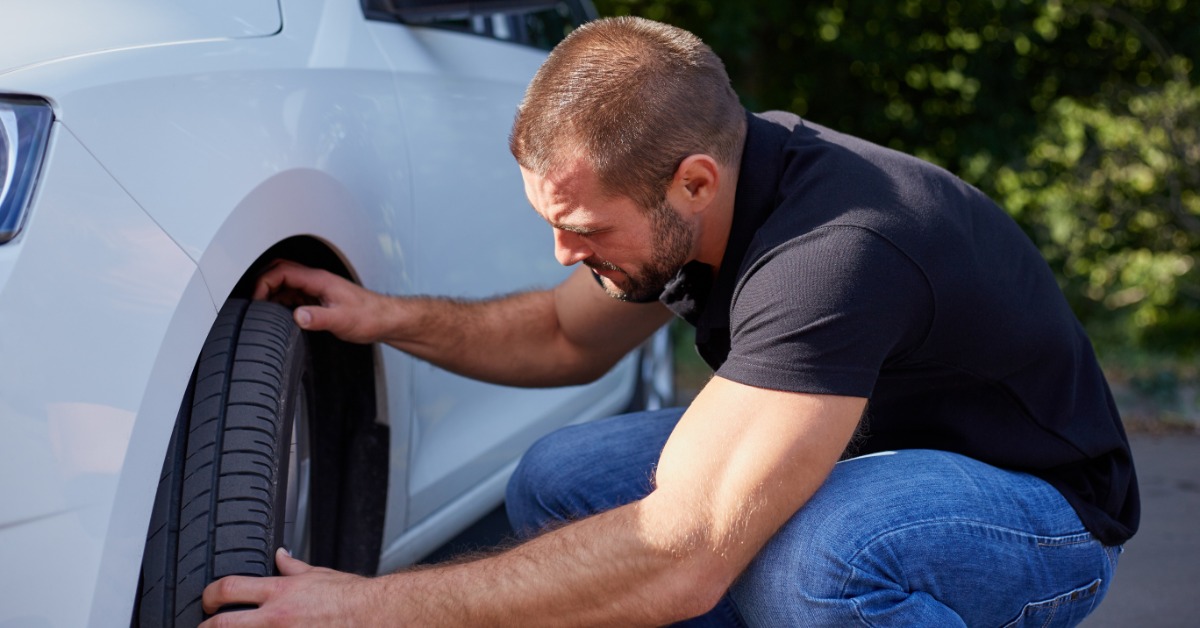
Uneven tread wear is one of the most common causes of squealing and screeching tires. Uneven tread wear changes the way the tire meets the road. Instead of a smooth, even contact patch, you get high and low spots that can create noise as the tire rolls. This may sound like squealing at low speed or louder road noise at higher speed. The issue can come from skipped rotations, alignment problems, suspension wear, or incorrect inflation.
Drivers sometimes focus on tread depth and miss the wear pattern itself. Feathering, cupping, and edge wear can all change how a tire sounds on the road.
Not every squeal means a broken part. Tires can squeal when a driver turns too sharply or carries too much speed into a corner. In that moment, the tread loses some grip and slides across the road surface instead of holding it cleanly. The sound is more likely on dry pavement, in parking lots, or during quick lane changes.
Even when driving habits trigger the noise, you should still pay attention to frequency. If your tires squeal during normal, controlled turns, the problem is probably not just driving style. That usually points back to pressure, wear, alignment, or suspension issues.
Your suspension plants the tires on the road and keeps them stable. When parts such as control arm bushings, springs, shocks, or related hardware wear out, the tire can bounce, shift, or sit at the wrong angle. That changes contact with the road and can create squealing or screeching sounds. Suspension issues can also cause steering wander, vibration, and uneven tire wear.
This cause can be easy to miss because the tire noise is only part of the problem. If you also notice clunking over bumps, unstable steering, or a rough ride, the suspension deserves a close inspection.
Drivers sometimes describe any screech near the wheels as tire noise, even when the brakes are the real source of the sound. Brake pads can squeal from wear, glazing, or contamination. Because the sound comes from the same area as the tires, it can be hard to tell the difference from inside the cabin.
Observe when the sound appears. If the squeal gets worse when you press the brake pedal, schedule service right away. You should never ignore brake noise, especially when it arrives with longer stopping distances or vibration.
A tire that is not the right size for the vehicle can create all kinds of problems, including rubbing, poor traction, and unusual noise. The same goes for wheel and tire combinations that do not match the vehicle’s specifications. Improper fitment can cause the tire to contact suspension or body components during turns, which may sound like squealing or screeching.
This issue is especially important after upgrading wheels or replacing tires without expert guidance. A tire shop can verify size, load rating, speed rating, and clearance to make sure everything works together correctly.
If a tire rubs against the fender liner, suspension hardware, or another nearby part, it can create a sharp rubbing squeal or screech. This can happen after installing oversized tires, after suspension changes, or when worn parts allow too much movement under load. The sound may show up only while turning, going over bumps, or carrying passengers and cargo.
Drivers should fix rubbing quickly because it can damage the tire sidewall or tread. Tire damage in those areas can cause rapid wear and, in severe cases, a blowout risk. A visual inspection usually reveals the problem once a technician knows where to look.
Tires do not all wear at the same rate. Front and rear positions carry different loads and handle different forces, so rotation matters. When drivers skip rotation, certain tires develop wear patterns that can create noise during everyday driving. Rotating your tires ensures they wear evenly and last longer.
This cause builds slowly, which is why many drivers do not notice it right away. They adapt to the sound until it becomes impossible to ignore.
At some point, a noisy tire is simply a worn-out tire. As tread gets low or the tire structure weakens with age, the tire may lose grip more easily and make more noise on the road. Damage from impacts, punctures, or long-term neglect can make the problem worse. If the tire shows cracks, bulges, exposed cords, or severe wear, replacement is the right move.
Replacing tires does more than stop the noise. It improves traction, ride quality, and confidence behind the wheel.
A brief chirp during a hard turn is one thing. If the sound keeps coming back, gets louder, or shows up with pulling, vibration, uneven wear, or braking issues, schedule an inspection. The longer you wait, the more likely the problem is to spread to other parts of the vehicle.
RNR Tire Express can help identify what is causing the noise and find you tires in Jackson, TN, that fit your budget. Visit RNR Tire Express for a professional inspection, quality products, and payment options that fit your budget.
By signing up you agree to our Privacy Policy.