Tires
|
May 30, 2019
Owning a Jeep is not like owning any other type of vehicle—it’s a way of life for many drivers. One of the most important choices for many Jeep drivers, especially those who like to take their wheels off-road, is the tires. There’s no shortage of tire options to choose from, so selecting the ideal rubber can feel overwhelming.
Have no fear; RNR Tire Express is here to help! Below, we provide some useful tips for choosing the best tires for your Jeep.
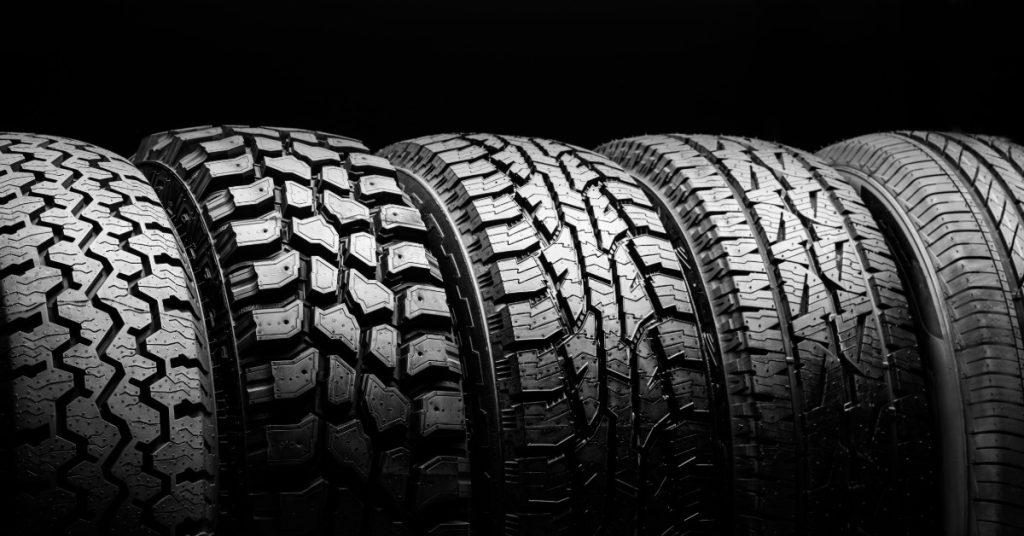
Start with the tread category because it shapes everything else about ride quality and traction. Highway-terrain tires keep things quiet and smooth on pavement, so they work well for daily driving. All-terrain tires add bite for gravel roads, mild mud, and uneven surfaces without becoming miserable on the highway. Mud-terrain tires deliver aggressive traction off-road, but they typically run louder and can wear faster on pavement.
Your Jeep can handle all kinds of terrain, but your tires should match your reality. If you drive on pavement 90 percent of the time, you don’t need the most aggressive tread on the wall.
Tire size does more than determine fit. It affects speedometer accuracy, gearing feel, braking distance, and fuel economy. Check the tire size listed on your driver’s door jamb, then compare it to what’s currently on the Jeep. Owners sometimes inherit aftermarket sizes from a previous build, and that can create confusion if you assume everything stays stock.
If you want to change size, treat it like a system decision. Larger tires can require wheel changes, lift adjustments, or clearance checks to prevent rubbing when you turn or articulate.
Jeep tires typically carry more stress than the average passenger vehicle tire. You might haul gear, add a bumper or winch, or load up for a road trip. The load index tells you how much weight each tire can support, and the right rating helps the tire stay stable under braking and cornering.
If you drive a Wrangler, Gladiator, or a built-up Cherokee with added weight, you may benefit from a higher load-rated tire. You also protect yourself from uneven wear and sidewall fatigue when your tires match the job.
Many Jeeps run P-metric tires from the factory, especially when the vehicle spends most of its life on-road. LT (Light Truck) tires typically use tougher construction and stiffer sidewalls, which helps with puncture resistance and load handling. That strength can feel great off-road, but it can also ride firmer on pavement.
If you regularly hit rocky trails, tow, or carry heavier setups, LT tires can make sense. If you want comfort and quiet for daily driving, a quality P-metric tire may fit better.
Traction matters on trails, but it also matters on wet roads. Deeper voids and more aggressive blocks can help in loose terrain, while siping and compound design can improve wet grip and braking on slick pavement. If you see winter conditions, look for the Three-Peak Mountain Snowflake rating (3PMSF) rather than relying on “all-season” wording alone.
In Mississippi and the Gulf Coast region, rain performance deserves real attention. Hydroplaning risk rises when tread design and tread depth don’t match your driving conditions.
Many Jeep drivers accept a little tire noise as part of the experience, but you still control how loud things get. Mud-terrain tires can hum, howl, or drone at highway speeds because of the block pattern. Some all-terrain designs reduce noise with variable pitch tread blocks while still delivering strong traction.
Think about where you spend most of your miles. If you drive long highway stretches, noise fatigue adds up quickly, and a quieter tread can feel like an upgrade every single day.
Another tip for choosing the best tires for your Jeep is to consult the treadwear and warranty of the tires. A tire can last a long time and still feel slippery in heavy rain, or it can grip like a champ but wear faster when you do a lot of stop-and-go driving. You should weigh longevity against traction, comfort, and how your Jeep handles with different tread designs. When you compare tires, consider the total value: confidence in bad weather, stability at speed, and predictable braking matter just as much as the projected mileage.
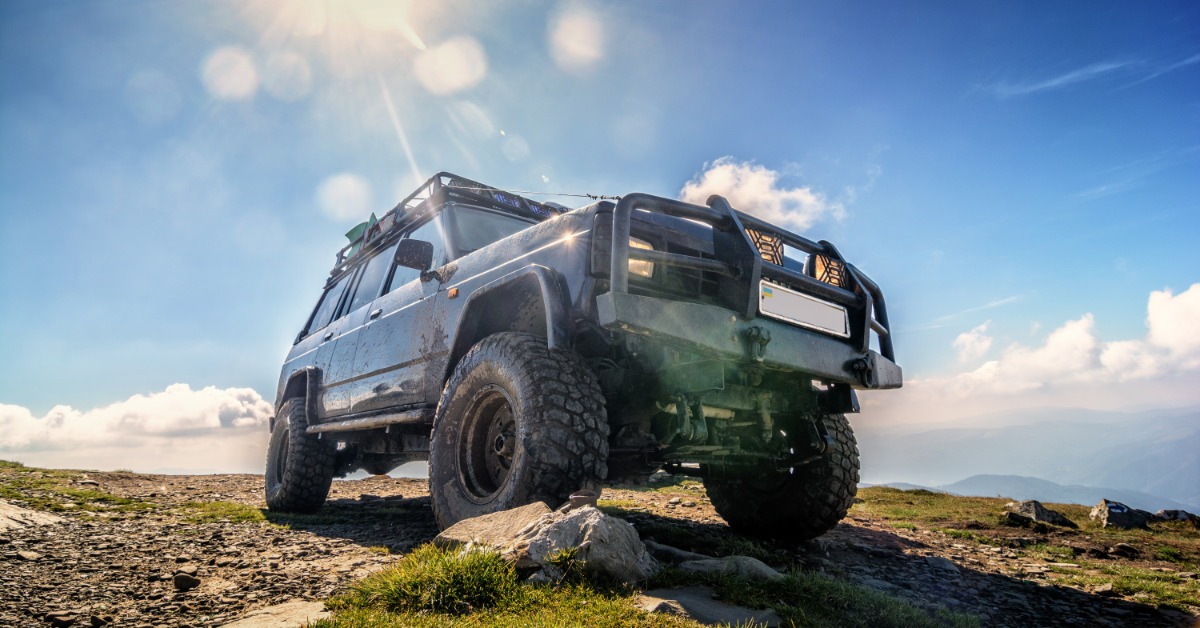
Sidewalls take hits when you drive off-road. Sharp rocks, ruts, and debris can cut or pinch a tire, especially if you air down for traction. Stronger sidewalls and protective features can help you avoid punctures and sidewall bulges that end trips early.
If you frequently take your Jeep off-road, prioritize durability. If you only hit mild trails occasionally, you can still choose an all-terrain tire with a proven sidewall design without going overboard.
Speed ratings do not mean you should push your Jeep to that limit, but the rating does reflect heat handling and performance design. Some tires prioritize off-road traction and durability over responsive steering. Others feel sharper and plant more firmly on pavement.
If your Jeep serves as a daily driver, you’ll notice steering feel and corner stability. If you drive slower trails most weekends, you’ll care more about grip, sidewall toughness, and controlled flex. Choose the tire that supports how you actually drive.
Even the best tire choice falls apart if you skip the basics. Maintain correct air pressure, rotate on schedule, and check alignment when you notice pulling or uneven wear. Jeeps can wear tires quickly when alignment drifts or suspension components loosen over time, especially after off-road use.
If you upgrade tire size or wheel setup, you should also confirm proper fitment and alignment. That small step can prevent irregular wear patterns that cut tire life short.
Finding the ideal tires for your specific Jeep requires a bit of research and self-assessment. Like shoes, a higher quality set of tires may cost more initially, but they’ll last longer and save you more money in the long run (assuming you take care of them correctly).
If you need to find new Jeep tires in Vicksburg, MS, RNR Tire Express is the place to go! Ask about our flexible payment options, and let our team help you choose a set that performs the way you expect, whether you’re on the road, on the trail, or somewhere in between.
By signing up you agree to our Privacy Policy.