Maintenance
|
Jul 23, 2019
A vehicle can feel slightly off long before anything looks obviously wrong, and that shift is easy to brush aside during everyday driving. Knowing the common signs your vehicle needs a wheel alignment can help explain why the steering suddenly feels less natural, or the ride seems less settled. That change may start quietly, but it can affect how confident you feel every time you get behind the wheel. Catching issues early gives you a better chance to correct the problem before it leads to bigger frustration.
Wheel alignment is the adjustment of suspension angles so that your tires meet the road as the manufacturer intended. A technician is not moving the wheels by eye. They are correcting angles to restore proper tracking and steering response. When those settings are off, the vehicle may still drive, but it often stops driving as evenly or predictably as it should.
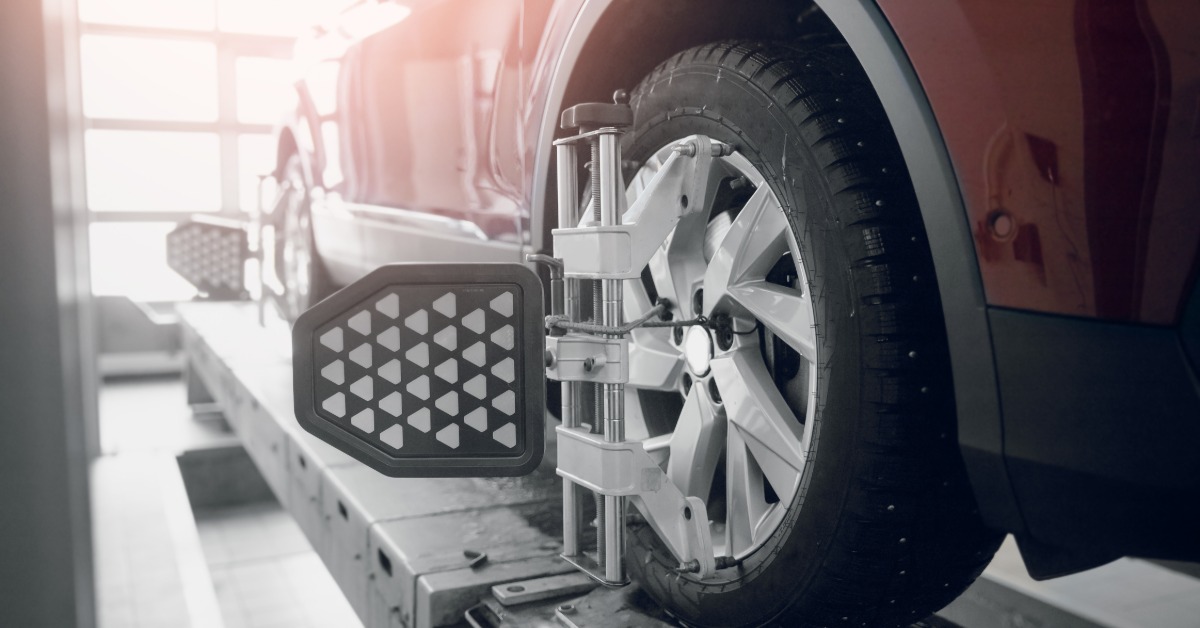
Alignment problems usually start with subtle changes. These signs show up in the vehicle’s tracking, tire wear, and steering feel under everyday conditions.
A vehicle that drifts left or right on a straight road is one of the clearest signs of alignment issues. You may notice that you keep correcting the steering just to stay centered in your lane. If that pull stays consistent and tire pressure is already correct, the alignment angles may be off.
Misalignment can make one part of the tread work harder than the rest. That shows up as faster wear on one edge of the tire or a set that seems to wear out too soon. Tires do not have to be old to show this pattern. In many cases, the wear reflects how they have been contacting the road.
If the steering wheel sits off-center while the vehicle is moving straight, that is another common clue. The shift may be small at first, but a properly aligned vehicle should not make you drive with the wheel tilted. That mismatch usually means the front wheels are not pointed where they should be.
A vibrating steering wheel can come from different problems, but alignment can be one of them. When the vehicle is not tracking correctly, the steering may feel less settled at speed. If the shake occurs with pulling, odd tread wear, or a crooked wheel, the alignment should be inspected.
Tire noise is not always caused by fast cornering or hard braking. In some cases, poor alignment causes the tire to scrub the pavement rather than roll cleanly in its intended direction. The added friction can create squealing during turns or low-speed maneuvers, especially when other alignment symptoms are already present.
Some alignment problems show up as a general loss of control feel. The steering may feel vague or less connected than usual. Instead of feeling planted, the vehicle may respond with less precision. Even when the change seems mild, it is worth checking.
Alignment problems can start with impact or wear. Hitting potholes, brushing curbs, and driving on rough roads can knock suspension angles out of spec. Normal wear in steering and suspension parts can also change how the vehicle sits and moves over time. In some cases, new suspension parts or ride-height changes can affect alignment, too. You do not need a major accident for alignment trouble to begin.
Poor alignment does more than change the way your vehicle feels. If you ignore the problem, it can lead to higher operating costs and more wear on important parts.
Misalignment can shorten tire life much faster than many drivers expect. When one part of the tread is taking the brunt of the damage, the tire wears unevenly and may need replacement sooner. That can turn a manageable service into a more expensive tire purchase.
When the tires are not rolling in the proper direction, the vehicle may require more effort to maintain smooth motion. Extra resistance can reduce fuel efficiency over time. The change may be gradual, but it can still add up through regular driving.
A vehicle that wanders or responds inconsistently can be harder to control when road conditions change quickly. That matters during lane changes, sudden corrections, and wet-weather driving. Proper alignment supports steadier, more predictable handling when you need it most.
Driving with poor alignment can put extra strain on the parts that help your vehicle steer and stay stable. The result is gradual wear and not an immediate failure. Fixing the alignment sooner can help limit that unnecessary stress.
There is no perfect interval for every driver, but alignment should be checked when symptoms appear and after events that can knock angles out of place. For many vehicles, periodic alignment checks make the most sense as preventive maintenance. It definitely should not be a last resort. For a clearer answer, drivers should generally have their wheels aligned once a year or every 10,000–15,000 miles.
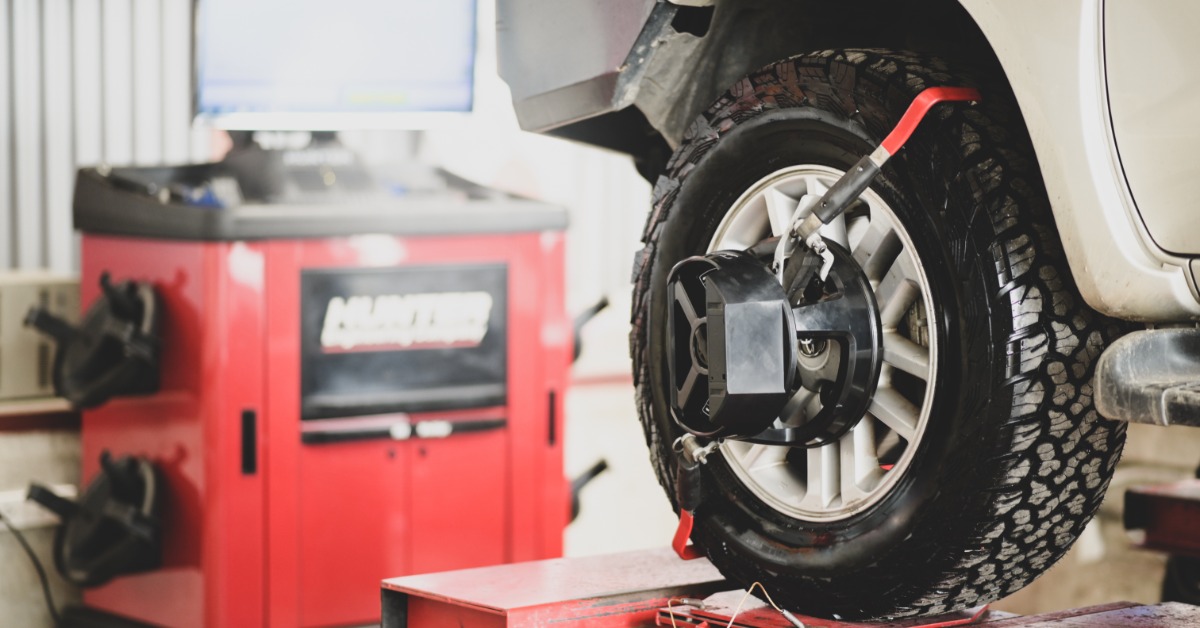
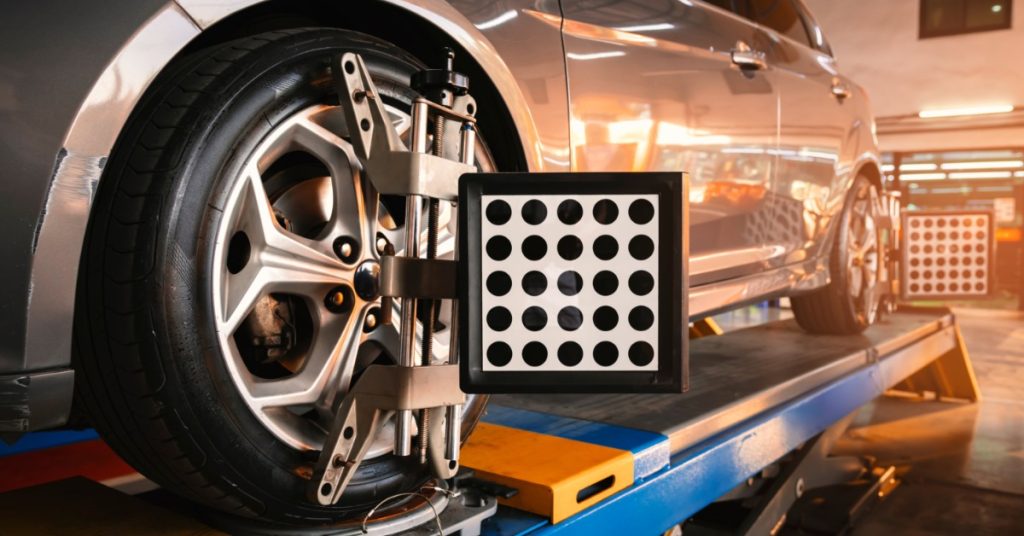
During a professional alignment, a technician measures your vehicle’s wheel angles against manufacturer specifications using specialized equipment. They will inspect tire condition and suspension or steering parts before making adjustments.
Once the angles are corrected, the readings are verified to confirm the vehicle is back within spec. You may also receive feedback about tire condition or worn parts that should be addressed to ensure the alignment holds properly. Proper alignment is a measured service built on accuracy, not guesswork.
If your vehicle has started pulling, wearing tires unevenly, or feeling less stable, now is a smart time to have it checked. If you are looking for a tire shop in Tupelo, MS, RNR Tire Express can help you address alignment issues before they escalate into larger tire and steering problems. Paying attention to the common signs your vehicle needs a wheel alignment can help you protect tire life and improve everyday drivability. Contact RNR Tire Express to schedule an alignment check and get your vehicle driving straighter again.
By signing up you agree to our Privacy Policy.