Tires
|
May 30, 2019
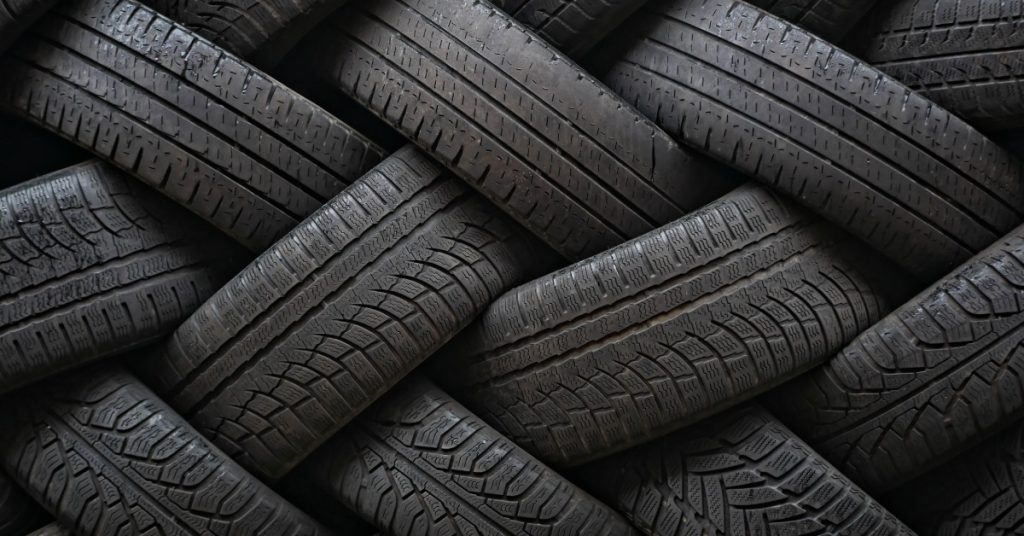
A lower price can make a secondhand tire look like an easy way to keep your car on the road without putting much strain on your budget. However, a tire’s appearance can reveal only part of its history, and previous use may leave behind wear or damage that deserves close attention. It’s time to break down the most important things to know before buying used tires.
Plenty of tread can make a used tire seem like a bargain, but tread depth deserves a closer inspection. Tires wear at different rates based on road conditions, maintenance habits, vehicle setup, and prior use. A tire with plenty of tread in one area may have far less elsewhere.
Check several points across the tread instead of relying on a single spot. Pay attention to the inner edge, center, and outer edge because uneven wear can reveal problems from the tire’s past. A tire that looks healthy from the side may tell a very different story once you inspect the full tread surface.
Uneven tread wear doesn’t happen without cause. Poor alignment, improper tire pressure, suspension concerns, or missed rotations can leave distinctive wear patterns behind. Even if the original vehicle caused the problem, that wear stays with the tire after removal.
Look for one shoulder with less tread, worn patches, or a center section that appears noticeably different from the edges. Such patterns can reduce the amount of usable life left in a tire. Saving money at purchase loses some appeal if replacement comes much sooner than expected.
Tires don’t stay new forever just because a vehicle racks up a few miles. Rubber changes with age and exposure to heat, sunlight, weather, and other environmental conditions. As a result, an older tire may look fairly clean but still deserves extra scrutiny.
The tire identification information on the sidewall can help you determine when the tire was manufactured. Don’t rely on a seller’s description alone when information on the tire itself can provide useful context. Age belongs alongside tread, condition, and prior repairs as part of the overall assessment.
One of the best things to know before buying used tires is to inspect the sidewalls carefully. A used tire’s tread naturally attracts attention first, but the sidewalls deserve just as much care. Cuts, cracks, gouges, bubbles, and other visible defects can point to past impacts or deterioration. Some flaws become easier to spot under good light and with the tire removed from a vehicle.
Pay particular attention to bulges or unusual areas in the sidewall. A previous curb strike or pothole impact may have stressed the tire even if the tread still looks respectable. Cosmetic dirt is one thing, but physical damage calls for a much more cautious approach.
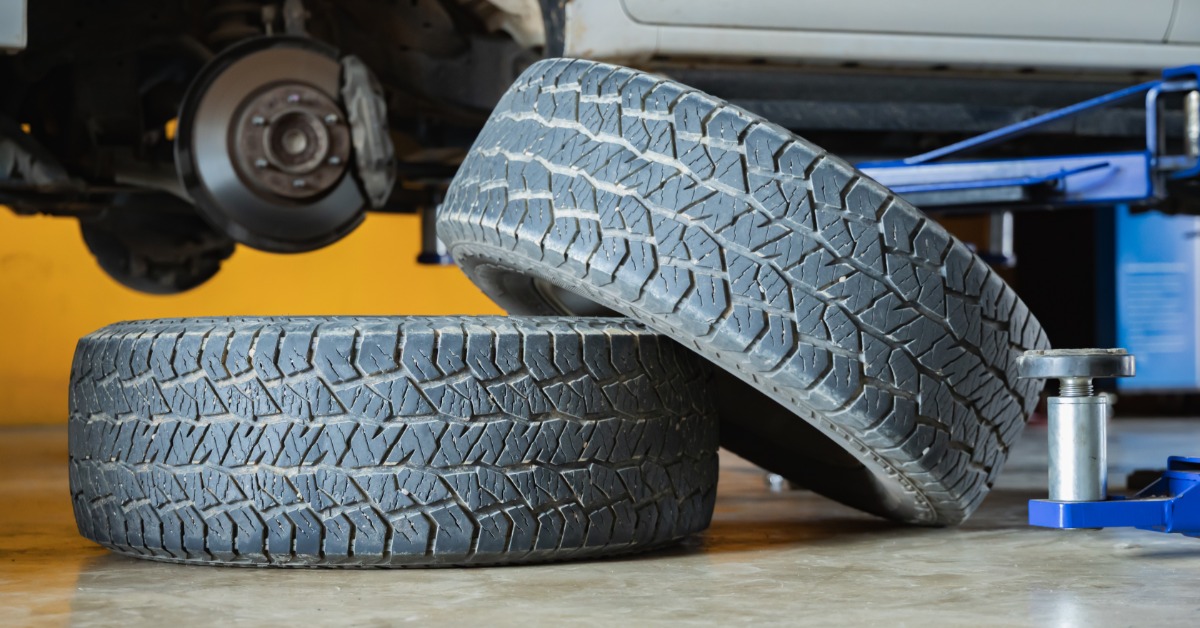
A puncture doesn’t automatically tell you everything about a tire’s condition. The location of the damage, type of repair, and quality of the repair all deserve consideration. A professional inspection can give you far more useful information than a quick look at the outside.
Ask about any known punctures or repairs before purchase, then inspect the tire for signs of past work. A tire with multiple repairs may provide less value than its low price suggests. If its history seems unclear, another tire may prove to be the smarter purchase.
A tire can look great and still be a poor fit for your vehicle. Size, load requirements, speed rating, and other specifications need to suit the vehicle manufacturer’s recommendations. Price alone shouldn’t lead you toward a tire that doesn’t belong on your car.
Check the information on the tire sidewall against the specifications for your vehicle. Don’t assume two tires belong together because they look nearly identical from several feet away. Small differences in specifications can affect how suitable a tire is for a particular vehicle.
Mixing tires with major differences in tread design, wear level, or construction can affect how a vehicle behaves on the road. Consistency across the tires becomes especially relevant during rain, abrupt stops, or other situations that demand predictable traction. A used replacement deserves consideration as part of the full tire set, not as an isolated purchase.
Compare the potential tire with the tires already on your vehicle. Look at tread depth, type, size, and general condition rather than appearance alone. A bargain tire may offer little value if it creates a poorly matched set.
You can inspect a tire today, but you may know very little about where it spent the previous few years. Long exposure to sunlight, extreme temperatures, moisture, or chemicals can affect rubber over time. Proper storage can help protect tires from unnecessary environmental stress.
Ask the seller what they know about the tire’s storage history, especially if it has sat unused for an extended period. A clean appearance doesn’t prove that storage conditions were ideal. Unknown history adds another factor to consider before money changes hands.
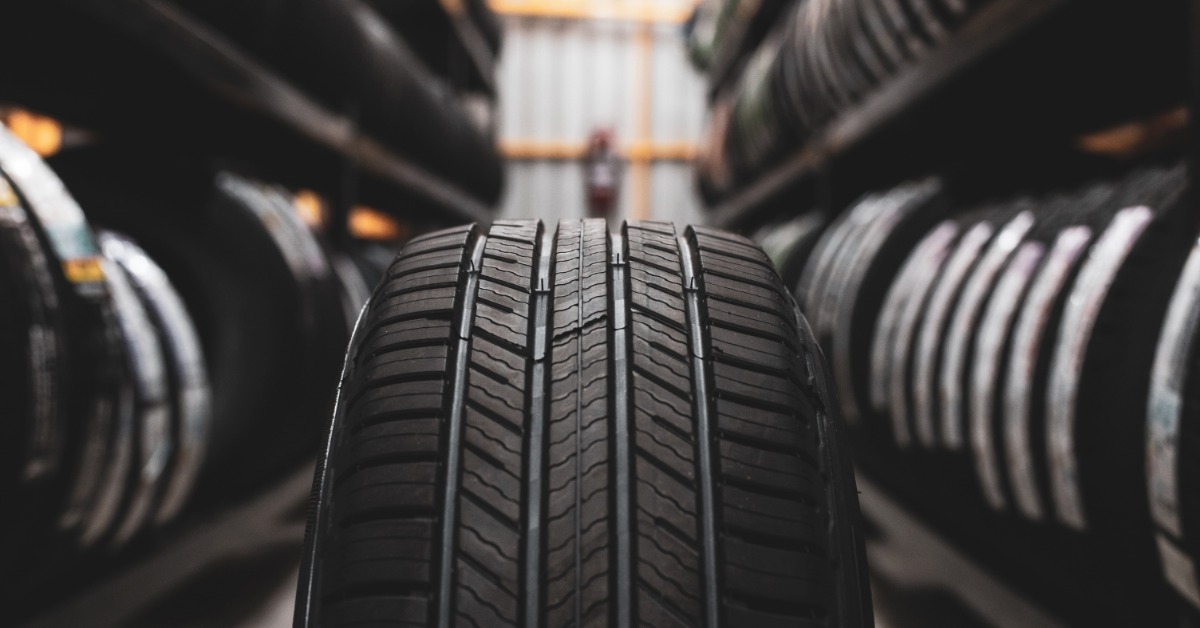
A used tire with an attractive sticker price can feel like instant savings. The better comparison looks at how much usable service you may receive for the amount you spend. A heavily worn used tire may need replacement far sooner than a new tire with full tread life ahead.
Suppose a used tire costs much less than a new one but has already lost a large portion of its usable tread. That purchase may put you back in the tire shop sooner, so the initial savings don’t tell the entire story. Looking beyond the upfront price can provide a clearer picture of actual value.
After you compare age, tread, condition, fit, and expected service life, a new tire may become the more appealing choice. New tires remove much of the uncertainty tied to an unknown service or storage history. They also start with fresh tread rather than asking you to estimate how much useful life remains. Cost can still influence the decision, especially when an unexpected tire replacement puts pressure on the household budget.
Used tires may suit some situations, but a low purchase price shouldn’t replace a careful look at condition, age, compatibility, and remaining life. A few extra minutes of inspection can reveal details that a clean sidewall and deep-looking tread may hide. When you find that a new set will offer better value for your vehicle, visit our tire shop in Vicksburg, MS.
By signing up you agree to our Privacy Policy.