Wheels
|
Jul 1, 2019

If you’ve ever shopped for new wheels, compared wheel packages, or tried to understand why one setup feels smoother than another, it helps to know what you’re looking at. Car wheels seem simple, but they’re really a group of parts working together to carry weight, stay centered, and keep your tire sealed and stable at speed. In this complete guide, we’ll explain everything you need to know about the anatomy of a car wheel.
Your wheel does three major jobs every time you drive. It supports the vehicle’s weight and transfers that load through the tire to the road. It provides the mounting surface and sealing area that keeps the tire seated and inflated. It also connects the tire to the hub so power, braking, and steering inputs can do their work safely.
A bent, cracked, corroded, or out-of-spec wheel will be noticeable in the ride quality and handling. You may also see uneven tire wear or notice vibration that gets worse with speed.
The rim is the outer perimeter of the wheel where the tire mounts. It’s the portion that forms the necessary shape to seat the tire bead and contain the air pressure. Rim damage is one of the most common problems after hitting a pothole, striking a curb, or running over road debris.
Even a small bend can make it difficult to balance the tire properly. A more severe bend can prevent the tire from sealing, which causes slow leaks and pressure loss.
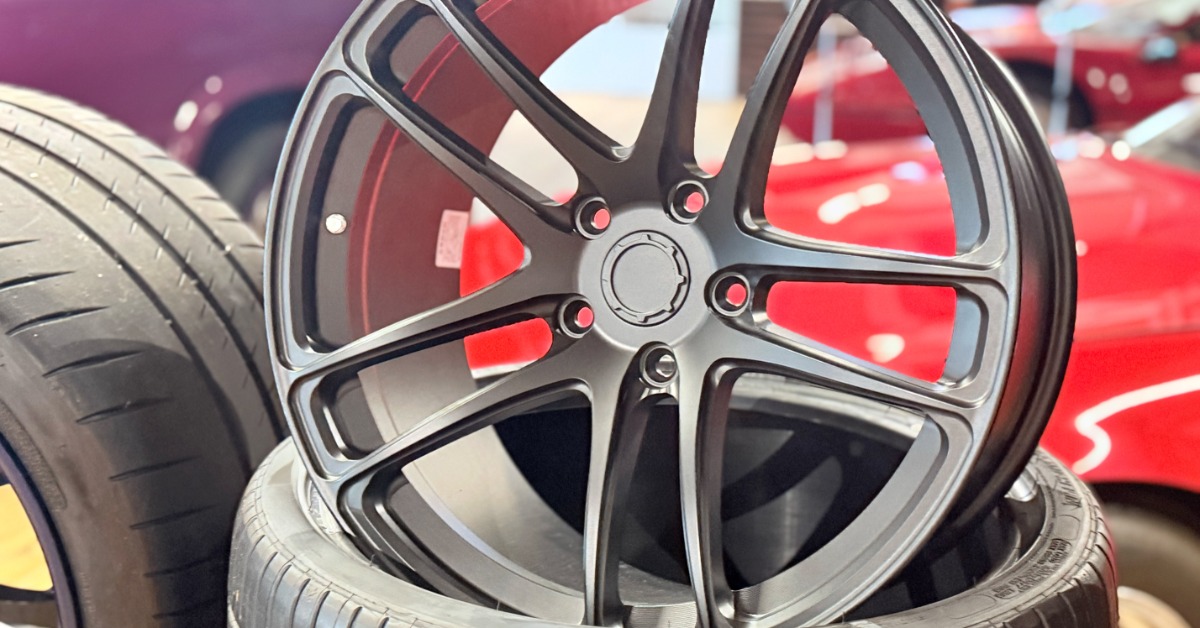
Most wheels have an outer lip (the side you can see) and an inner lip (the side facing the suspension). Both lips matter because they help contain the bead and maintain the shape of the mounting area. It’s possible for a wheel to look fine on the outside, but be bent on the inside, which is why vibration issues frequently require a close inspection.
The barrel is the drum section that connects the rim edges around the circumference. It forms the inner cavity behind the spokes and plays a major role in strength and clearance. Brake components sit inside this space, so barrel shape and diameter influence brake clearance and overall fitment.
The bead seat is the ledge on both sides of the rim where the tire’s bead rests. When you inflate the tire, air pressure pushes the bead outward and upward into this seat to create an airtight seal. A clean, undamaged bead seat is critical for maintaining stable pressure, especially if you drive on rough roads or hit potholes.
Corrosion, pitting, or gouges on the bead seat can cause slow leaks. If you keep topping off air, it’s worth having the wheel checked rather than assuming the tire is the only issue.
Many modern wheels include a bead hump, which is a small, raised area near the bead seat. It helps the tire bead stay in place during cornering or if the tire loses pressure. This feature matters because it improves safety and reduces the chance of the bead slipping inward under load.
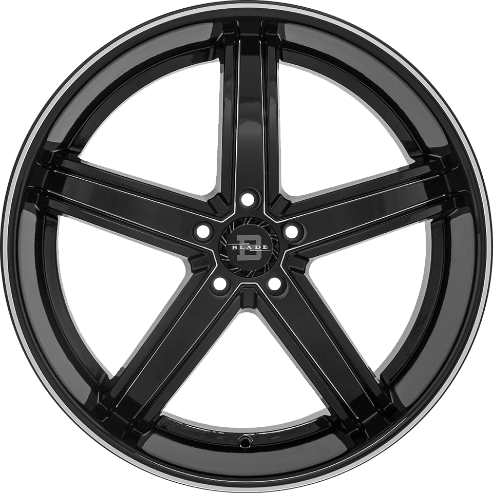
Spokes connect the hub area to the rim. They create the wheel’s structure and visual design at the same time. The number of spokes, their thickness, and their bracing all affect rigidity, weight, and how well the wheel handles impacts.
The center disc is the area where spokes meet the hub mounting surface. This section carries major loads because it transfers forces between the hub and the rim. If a wheel fails, cracks start in stressed regions near the center disc or spoke junctions.
This is one reason you should take wheel damage seriously after a hard impact. A wheel can appear mostly fine yet have a hidden crack that worsens over time.
The hub bore is the hole in the middle of the wheel. It fits over the vehicle’s hub, helping center the wheel and support it properly. On many vehicles, this is how the wheel becomes hub-centric, meaning the hub bore matches the hub diameter closely and helps reduce vibration. If the hub bore is larger than the hub, centering rings can help the wheel sit correctly.
Lug holes are the holes where lug nuts or lug bolts fasten the wheel to the hub. The lug seat is the area around each hole where the lug nut or bolt makes contact. The seat shape must match the hardware you use, or the wheel may not clamp correctly.
Incorrect lug seating can cause looseness, vibration, or uneven clamping force. Over time, that can damage the wheel or the studs. A shop should always confirm the correct lug hardware for the wheel design.
The mounting pad is the flat surface on the back of the wheel that contacts the hub. This surface determines offset, which is how far the wheel sits inward or outward relative to the hub centerline. Offset affects clearance, stance, steering feel, and suspension geometry.
Backspacing is another way people describe wheel positioning. It measures from the mounting pad to the inner edge of the rim. Both measurements help determine if the wheel will clear your brakes and suspension and sit where you want it visually.
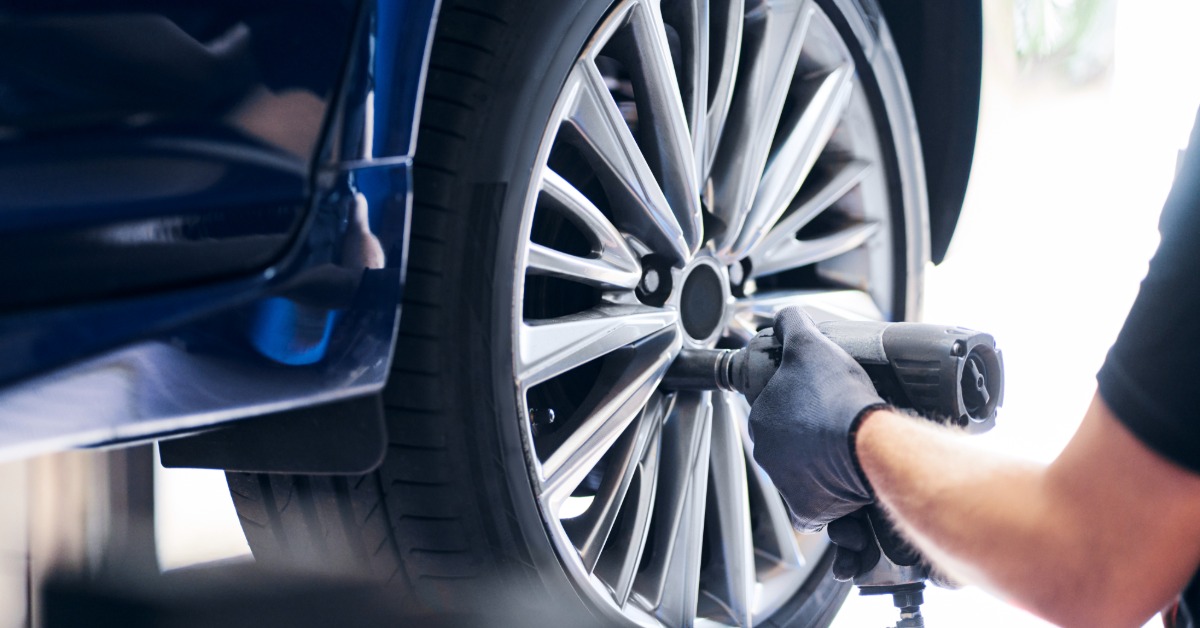
Diameter is the wheel size across the bead seat, like 16-inch or 20-inch wheels. It must match the tire size you plan to run. Larger diameter wheels typically require lower-profile tires to keep overall diameter close to factory specs.
Wheel width is the space between the inner bead seats, not from outer lip to outer lip. Width influences which tire sizes fit correctly and how the tire’s sidewall supports the vehicle. A wheel that’s too wide or too narrow for the tire can affect handling and wear.
Bolt pattern refers to the number of lugs and the circle diameter they form, like 5×114.3. The wheel must match your vehicle’s bolt pattern exactly to mount safely.
Offset is usually a number in millimeters, like +35 or -12. Positive offset tucks the wheel inward, while negative offset pushes it outward. The right offset keeps clearance correct and helps maintain a stable steering feel.
Load rating describes how much weight the wheel can safely support. It should meet or exceed your vehicle’s requirements. This measurement matters even more if you carry passengers frequently or drive with a full trunk and gear.
Now that you’ve read our complete guide to the anatomy of a car wheel, you’re ready to find the ideal wheel for your ride. At RNR Tire Express, we have a huge selection to choose from. Whether you need new wheels or tires in Tupelo, MS, or elsewhere throughout the Gulf Coast, RNR Tire Express can help. Browse our inventory, and schedule an appointment with one of our wheel and tire experts today.
By signing up you agree to our Privacy Policy.