Tires
|
May 30, 2019
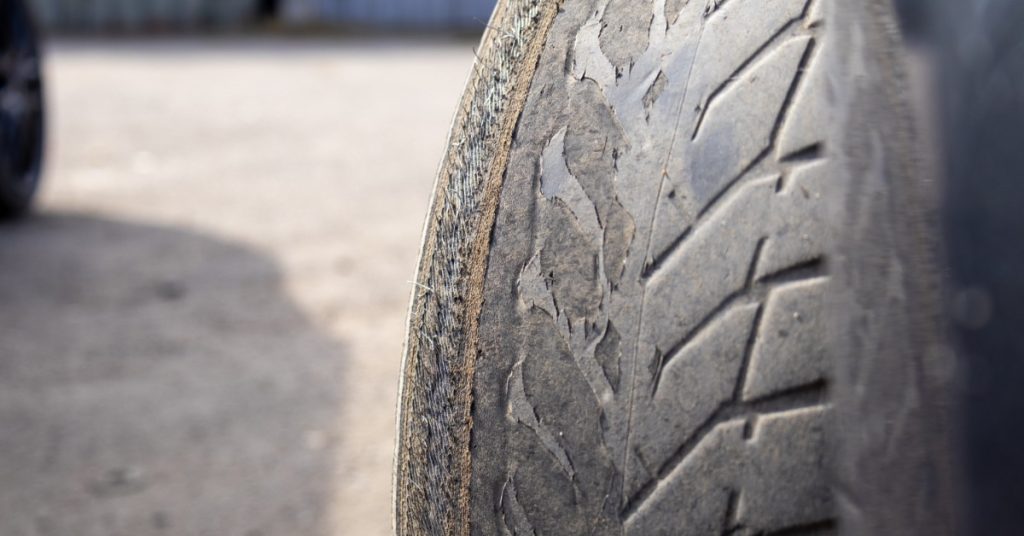
Your tires play a major role in how your vehicle performs every time you drive. Even small changes in tread wear can affect safety and ride comfort over time. Uneven tire wear often develops gradually, but it usually points to an issue that needs attention.
Ignoring unusual tire wear can lead to shorter tire life and unnecessary replacement costs. Worn tires also reduce traction during wet or slippery road conditions, making every trip less predictable.
Understanding what causes uneven wear helps drivers make smarter maintenance decisions before small problems become expensive repairs. Let’s explore the most common causes of uneven tire wear patterns and how regular maintenance keeps tires in excellent condition.
Even tire wear allows every tire to share the workload equally while supporting the vehicle. A balanced tread creates consistent contact with the road, improving handling, braking, and overall stability. Tires that wear evenly also deliver better fuel efficiency because they roll with less resistance. Drivers often enjoy a quieter, smoother ride when all tires wear at a similar rate.
Uneven wear tells a different story because it usually signals a mechanical or maintenance issue. One tire may lose tread much faster than the others, reducing grip and increasing the chance of a blowout. Replacing tires before their expected lifespan also adds unnecessary costs. Addressing the root cause protects both the tires and the vehicle’s suspension components.
Improper tire pressure ranks among the most common causes of uneven tread wear. Tires with too little air flex more than intended, causing the outer edges of the tread to wear faster. Overinflated tires concentrate most of the vehicle’s weight in the center of the tread. Both conditions shorten tire life while reducing overall performance.
Checking tire pressure regularly helps prevent these problems before they develop. Drivers should compare tire pressure with the vehicle manufacturer’s recommended specifications rather than relying on visual appearance alone. Temperature changes throughout the year can also affect tire pressure, making routine inspections even more important.

Wheel alignment affects how each tire meets the road surface during normal driving. Even a slight alignment issue can force a tire to scrub against the pavement instead of rolling smoothly.
That constant friction creates uneven wear across one side of the tread while reducing steering precision. Drivers may also notice the vehicle pulling toward one side or a crooked steering wheel.
Potholes, curbs, and rough roads frequently knock vehicles out of alignment without obvious warning signs. Suspension repairs or replacing steering components also require alignment adjustments afterward. Regular alignment inspections help extend tire life while improving vehicle control. Drivers looking for tires in Lubbock can also benefit from professional alignment services that maximize every new tire purchase.
The suspension system keeps every tire firmly planted on the road during acceleration, braking, and cornering. Worn shocks, struts, ball joints, or bushings reduce the suspension’s ability to control tire movement. Tires begin bouncing or shifting instead of maintaining consistent road contact. That movement creates irregular wear patterns known as cupping or scalloping.
Many drivers notice a rougher ride before they recognize unusual tread wear. Increased body movement, excessive bouncing, or poor handling often indicate suspension components need inspection. Replacing worn parts restores proper tire contact and improves overall driving comfort.
Every tire experiences different levels of stress depending on its position on the vehicle. Front tires often wear faster because they handle steering duties while supporting additional engine weight. Rear tires experience different forces during acceleration and cornering. Rotating tires distributes these forces more evenly across all four tires.
Drivers should follow a consistent tire rotation schedule to maximize tread life. Most manufacturers recommend rotating tires approximately every 5,000 to 8,000 miles, although driving habits and vehicle type may affect that interval. Consistent rotation provides several important benefits:
Aggressive driving habits often accelerate uneven tire wear long before drivers expect to replace their tires. Hard braking, rapid acceleration, and fast cornering place extra stress on specific sections of the tread during every trip. Repeated impacts from potholes or curbs also increase the likelihood of alignment and suspension problems. Smoother driving habits reduce unnecessary strain and help tires wear more evenly.
Heavy loads can also contribute to premature tread wear when drivers exceed the vehicle’s recommended weight limits. Excess weight increases heat buildup and places additional pressure on every tire during operation. Maintaining proper load limits helps preserve tire performance while improving fuel efficiency. Small adjustments in daily driving habits often produce noticeable improvements in tire longevity.
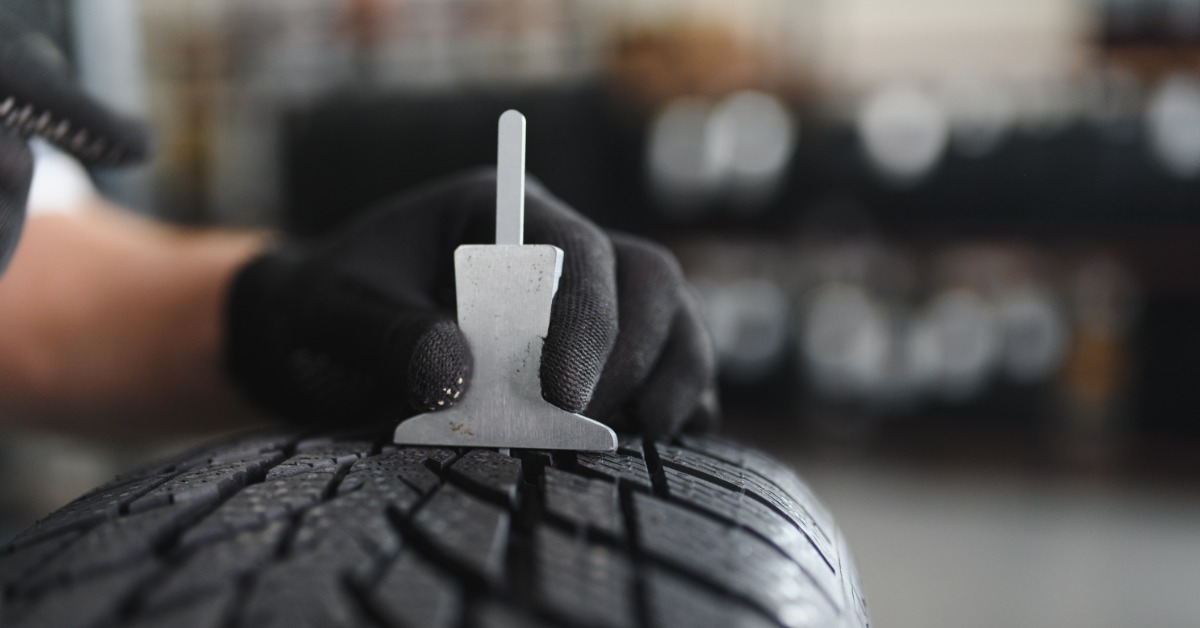
Different tread patterns often reveal the source of a tire problem before it becomes severe. Learning to recognize these signs helps drivers schedule service before uneven wear affects safety or performance.
A quick visual inspection during routine maintenance can uncover issues that deserve professional attention. Addressing these warning signs early usually costs less than replacing damaged tires prematurely.
Outer edge wear often points to underinflation, while center wear typically indicates excessive air pressure. Feathered tread usually suggests an alignment problem, and cupped tread often signals worn suspension components. Isolated bald spots may result from hard braking or wheel balance issues.
Routine tire inspections help drivers identify developing issues before they become expensive repairs. Checking tread depth and visible wear only takes a few minutes, yet those inspections provide valuable information about overall vehicle health.
Early detection often prevents damage to suspension and steering components while extending tire life. Consistent maintenance also reduces the likelihood of unexpected tire failures on the road.
Professional inspections offer an additional layer of confidence because experienced technicians can identify problems that drivers may overlook. They evaluate tread wear, verify proper inflation, inspect suspension components, and recommend alignment or balancing services when necessary. These preventive services improve safety while helping drivers maximize the value of every tire purchase.
Uneven tire wear rarely happens without a reason, and every unusual tread pattern tells an important story about your vehicle. Addressing small concerns early helps extend tire life while improving safety and reducing long-term maintenance costs. Drivers who stay proactive often enjoy better handling, stronger traction, and greater confidence behind the wheel.
RNR Tire Express provides professional tire services that help drivers get the most from every set of tires. From inspections and rotations to alignments and quality replacement tires with convenient payment options, our experienced team focuses on keeping vehicles safe and road-ready.
Whether your tires show early signs of uneven wear or you simply want expert guidance, RNR Tire Express offers dependable solutions for every stage of tire ownership. Contact us today to schedule your next service and enjoy the open road safely.
By signing up you agree to our Privacy Policy.