Wheels
|
Jul 1, 2019
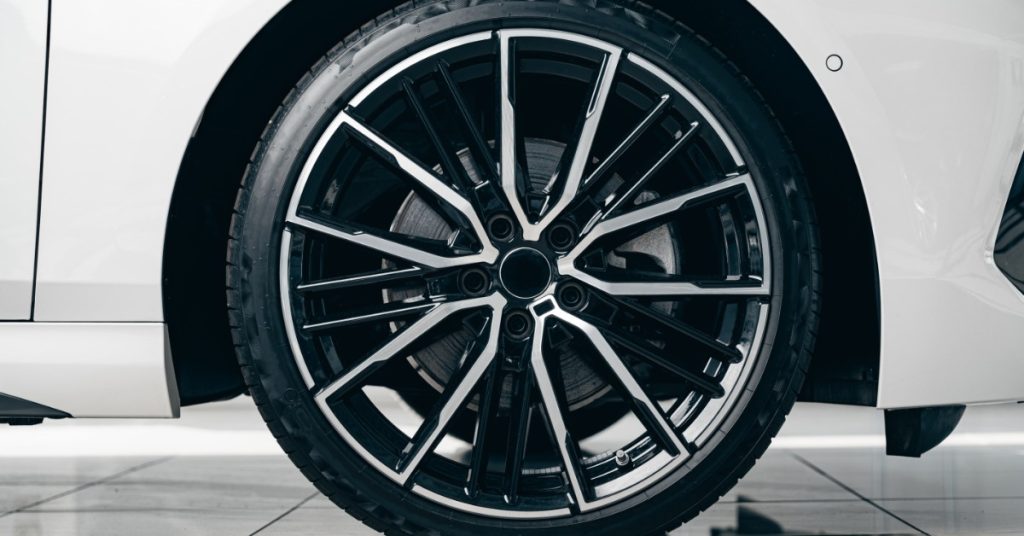
A new set of wheels can change how a vehicle looks, but looks tell only part of the story. Behind every wheel design sits a measurement that affects where the wheel fits inside the wheel well.
That measurement, called wheel backspacing, can determine whether a new setup clears nearby components or causes frustrating rubbing. Understanding the basics helps drivers shop confidently. Follow this guide to learn more about wheel backspacing and why it is important for your vehicle.
Wheel backspacing describes the distance from a wheel’s mounting surface to its innermost outer edge. The mounting surface sits against the vehicle’s hub when an installer secures the wheel. Backspacing tells you how much of the wheel extends inward from that contact point, toward the suspension. Manufacturers express backspacing in inches.
Think of the wheel well as a limited amount of space. A wheel needs room on both sides of its mounting point, and the inward side matters just as much as the outward side.
Two wheels can share the same diameter yet sit differently because their backspacing measurements differ. That difference affects fitment, especially when space behind the wheel is already limited.
Proper backspacing helps the wheel occupy the space the vehicle provides without contacting nearby parts. If a wheel sits too far inward, its rim or tire may approach a strut, control arm, or other suspension component. If it sits farther outward, the tire may approach the fender when the suspension compresses, or the steering wheel turns. Neither situation deserves a guess.
Clearance matters during ordinary driving, not just during sharp turns in a parking lot. Road bumps move the suspension through its range, while steering changes the tire’s position inside the wheel opening.
A setup that looks fine while parked might still rub under real driving conditions. Checking fitment early helps avoid costly changes after you have already purchased a new set.
Drivers often hear wheel backspacing and wheel offset in the same conversation, but the measurements describe different things. Backspacing measures from the hub-mounting surface to the wheel’s inner edge. Offset measures the distance between that mounting surface and the wheel’s centerline. Manufacturers usually express offset in millimeters rather than inches.
Positive offset places the mounting surface toward the wheel’s outer face, while negative offset moves it toward the inner side. On wheels with the same overall width, more positive offset generally means more backspacing.
Change the wheel width, however, and the relationship becomes less obvious. Matching offset alone cannot guarantee equal inward clearance, particularly when you compare different wheel widths.
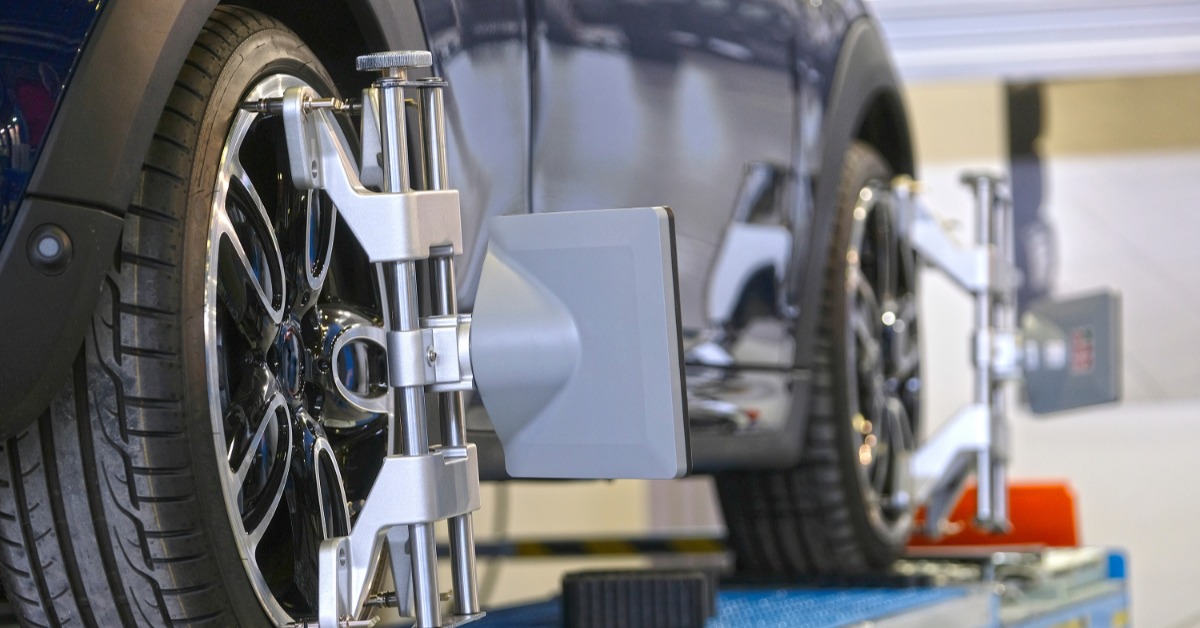
You can measure backspacing on a removed wheel, though a professional should confirm fitment. Set the wheel face down on a stable, protected surface so you can access the back. Use a sturdy straightedge and measuring tape, and take your time to avoid an angled reading. Keep the straightedge level across the wheel’s inner rim edge rather than resting it on the tire.
The result represents the wheel’s backspacing as measured to the outer rim flange. Remember that a wheel’s advertised width measures between its bead seats, not across its outermost edges. That distinction matters when comparing specifications or calculating fitment from offset. If numbers conflict, ask a specialist to verify them.
Backspacing never tells the entire fitment story without wheel width. Imagine two wheels with identical backspacing but different widths. Their inner edges sit at roughly the same distance from the hub, yet the wider wheel extends farther outward. That width can change fender clearance, especially when the suspension compresses on uneven pavement.
Tire dimensions also influence the final result. A wider tire may extend beyond the rim and reach suspension or body components that the wheel itself clears. Tire shape can vary between models even when their sidewalls show the same nominal size. For that reason, wheel and tire fitment checks should evaluate the complete package rather than a wheel measurement in isolation.
An unfamiliar rubbing sound during a tight turn can signal that a tire contacts the inner fender or another nearby surface. Fresh scuff marks inside the wheel well may offer another clue.
Drivers might also notice rubbing after driving over a bump, particularly when passengers or cargo increase the load. Address rubbing before it damages a tire or wears through a protective wheel-well liner.
Not every vibration or steering concern comes from incorrect backspacing. Tire balance, alignment, worn suspension parts, and other issues can produce similar complaints.
A technician can inspect the contact points and identify the actual cause. Avoid assuming that changing backspacing will fix a problem without first checking the vehicle’s condition and current fitment.
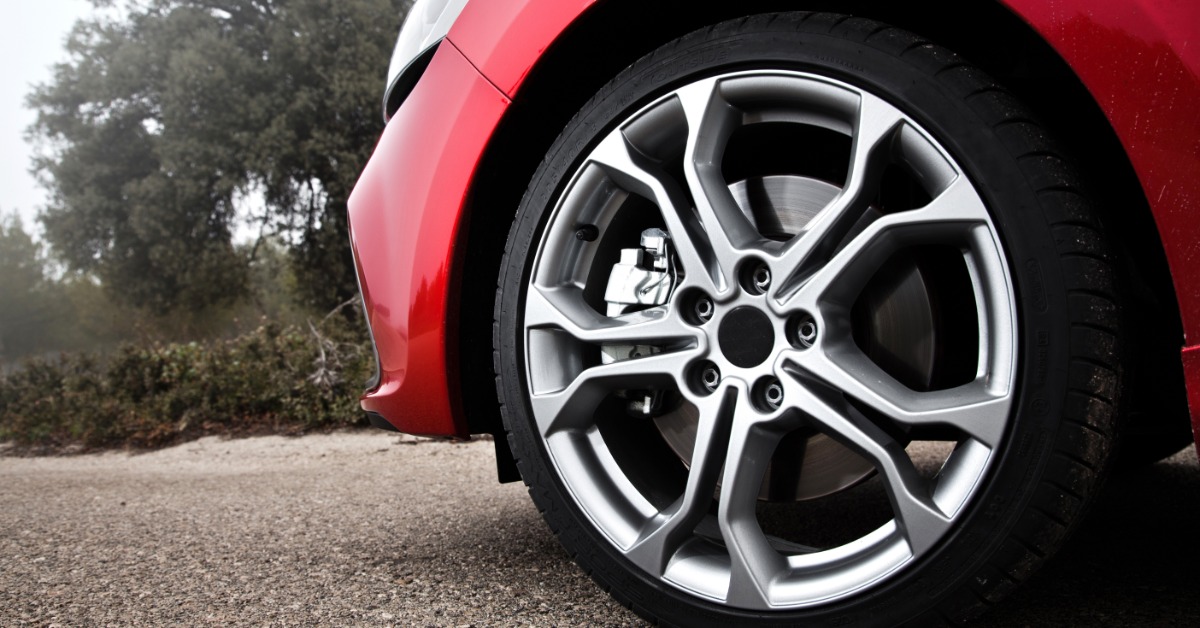
Before choosing aftermarket wheels, start with your vehicle’s fitment requirements rather than the style you prefer. Backspacing and offset matter, but so do the bolt pattern and center bore.
The wheel must also provide adequate brake clearance and meet the vehicle’s load requirements. Hub fit alone cannot guarantee brake clearance, since wheel spoke shapes also affect available space.
Your planned tire size can also change which wheels make sense. Consider how you use the vehicle and whether you expect to carry heavy loads or travel on rough roads. A specialist can compare manufacturer specifications with the actual vehicle and flag possible clearance concerns.
Wheel spacers move a wheel outward by placing material between its mounting surface and the vehicle’s hub. That shift effectively reduces how far the wheel sits inward relative to the hub, but it also changes the wheel’s outward position. Moving the wheel away from one obstacle can bring it closer to another. Spacers therefore cannot guarantee proper fitment.
Spacer selection also introduces hardware and installation requirements that depend on the vehicle. Incorrect parts or installation can create serious safety concerns. Rather than using spacers as a quick fix, ask a qualified technician to review the entire wheel setup. Choosing suitable wheels initially simplifies the process.
Wheel backspacing may sound technical, but the goal remains simple: choose wheels that fit your vehicle and support everyday driving. Knowing what the measurement means helps you ask better questions when comparing options. It also makes it easier to understand why a wheel that looks right might not fit correctly.
When shopping for wheels and tires in Laredo, visit RNR Tire Express to discuss compatible wheel-and-tire packages with a team that understands fitment. Ask about available payment options while comparing styles that suit your needs. A careful fitment check can help you choose a setup you feel good about long after installation.
At RNR Tire Express, drivers can find quality tires and wheels with convenient payment options that make upgrading more affordable. Whether you need replacement tires or a fresh set of wheels, our team can help you find the right fit. Visit RNR Tire Express today to explore your options and take the next step toward your ideal wheel and tire setup!
By signing up you agree to our Privacy Policy.