Tires
|
May 30, 2019
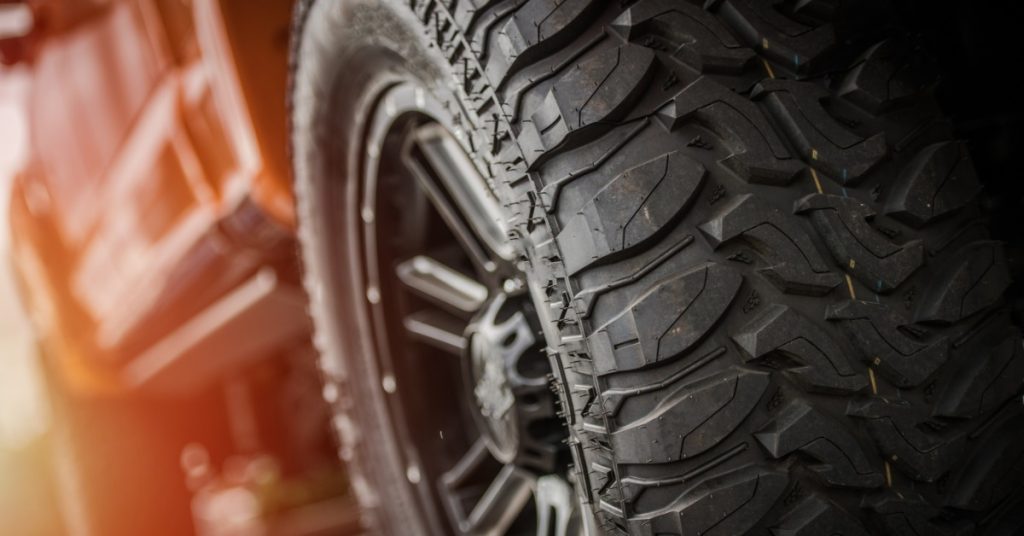
Off-road tires can change the way a truck or SUV handles dirt, mud, gravel, rocks, sand, and rough back roads. The right tread pattern gives your vehicle more control in scenarios where standard highway tires can lose grip quickly. Drivers in Louisiana may deal with wet trails, clay-heavy soil, gravel access roads, job site terrain, and weekend hunting or fishing routes, so tire choice matters more than many people realize.
Each type of off-road tire serves a different purpose. Some balance daily comfort with extra traction, while others trade quiet rides and fuel efficiency for deeper lugs, stronger sidewalls, and more aggressive grip. Keep reading to understand the common applications for different types of off-road tires.
Off-road tires do more than make a truck look tougher. They affect traction, braking, steering feel, comfort, road noise, tread life, and how confidently your vehicle moves through loose or uneven ground. A tire built for muddy trails will not behave the same way as one built for highway driving with the occasional gravel detour.
The best choice depends on your vehicle, your driving habits, and the surfaces you expect to drive on. A driver who spends most of the week commuting but wants weekend trail access needs a different tire than someone who crawls over rocks, crosses fields, or drives through deep mud after heavy rain.
All-terrain tires give many drivers the most practical starting point. They use a more open tread design than standard highway tires, but they keep enough road manners for daily driving. That balance makes them a strong fit for trucks and SUVs that split time between pavement, gravel roads, grass lots, boat ramps, campsites, and light trails.
These tires work well for drivers who want more grip without turning every highway trip into a loud, rough ride. They can handle loose dirt, shallow mud, packed gravel, and uneven rural roads while still offering predictable handling around town. If your vehicle serves as both a weekday commuter and weekend adventure rig, all-terrain tires can give you the versatility you need.
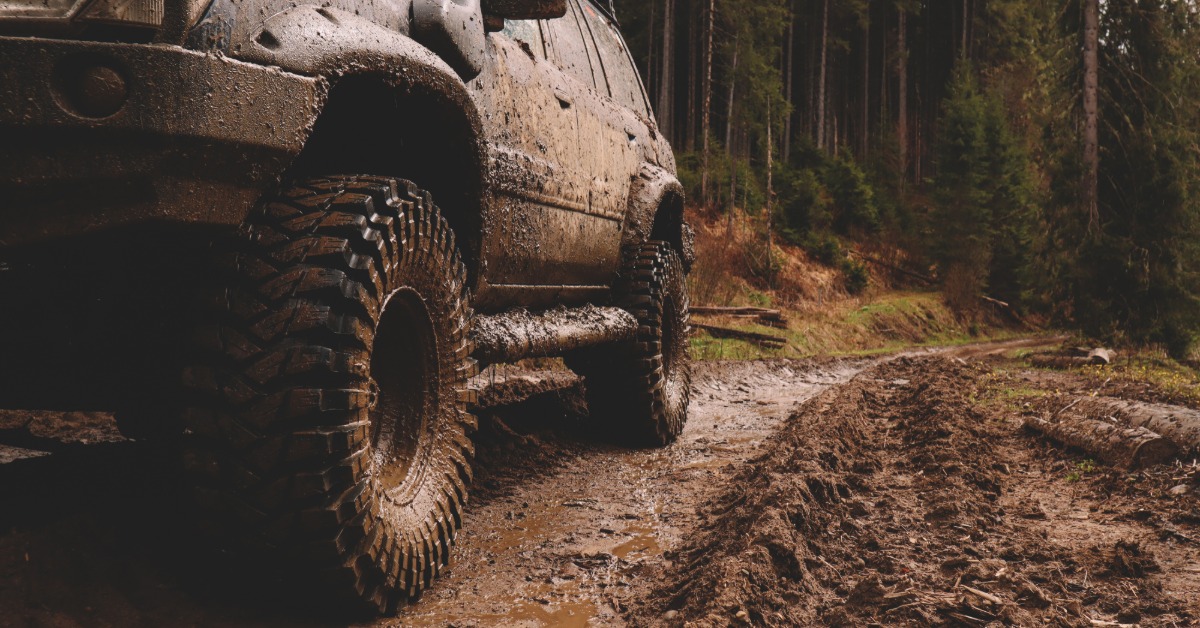
Mud-terrain tires use large tread blocks, deep voids, and aggressive shoulder designs to dig into soft ground. They help the tire clear mud as it rotates, which helps the tread keep biting instead of packing full of clay, muck, and wet soil. This design makes mud-terrain tires useful for drivers who face sloppy trails, rutted paths, wet fields, and off-road routes after heavy rain.
Mud-terrain tires bring a more rugged driving experience. They can create more road noise, feel firmer on pavement, and wear differently than all-terrain tires, but they deliver the kind of grip that soft terrain demands. If you regularly drive through mud instead of around it, this tire category deserves serious consideration.
Mud-terrain tires make sense for trucks and SUVs that spend real time away from pavement. Drivers who use their vehicles for hunting, backwoods trails, rural work sites, and muddy access roads can benefit from the extra bite. These tires help keep momentum when the ground gets slick, uneven, and unpredictable.
They also suit drivers who want a bold off-road look and accept the tradeoffs that come with it. A mud-terrain tire can transform the stance of a truck, but it works best when the vehicle’s use matches the tire’s design. Choosing mud-terrain tires only for appearance may lead to more noise and less comfort.
Rugged-terrain tires sit between all-terrain and mud-terrain designs. They usually feature bolder sidewalls, more aggressive shoulders, and deeper tread patterns than many all-terrain tires. At the same time, they aim to preserve more street comfort than a full mud-terrain tire.
These tires appeal to drivers who want a tougher look and stronger off-road grip without moving all the way into a mud-focused tire. They can handle dirt roads, mild mud, gravel, trails, and rougher weekend use while still feeling manageable on the highway. For many truck owners, rugged-terrain tires deliver the visual attitude they want with more daily practicality than a mud-terrain setup.
Rock-terrain tires focus on grip, toughness, and sidewall strength. They need to conform to uneven surfaces, resist cuts, and maintain traction against jagged edges. Drivers who crawl over rocks, ledges, washed-out paths, and hard-packed trail obstacles need tires that can handle sharp contact and slow-speed control.
These tires may feature reinforced sidewalls, large tread blocks, and designs that help the tire grab from different angles. They work best for serious off-road drivers who need durability over comfort. For everyday use, they may feel excessive unless the vehicle truly sees rough trail conditions.
Rock-terrain tires make sense for vehicles built for technical off-roading. They suit trail rigs, modified trucks, and SUVs that face rocks, roots, steep grades, and uneven hard surfaces. They help drivers maintain control when traction depends on careful tire placement and steady throttle input.
They do not make sense for every driver. If your vehicle only sees city streets and occasional gravel, a rock-focused tire may create more compromise than benefit. These tires deliver their value when the terrain demands strength and precision.
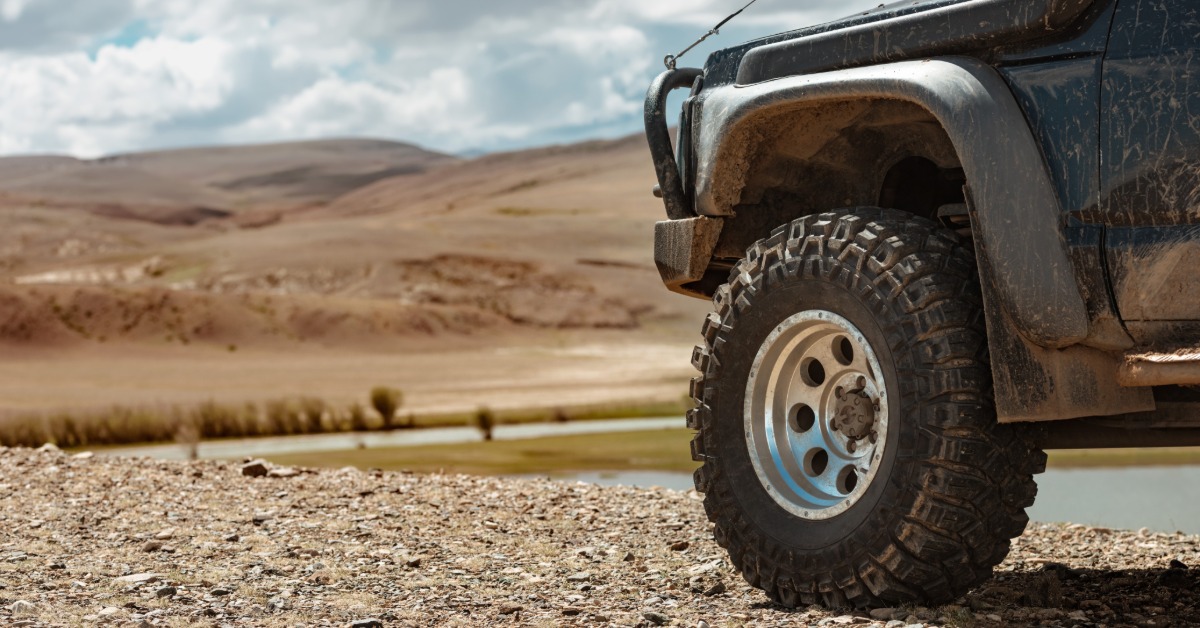
Sand tires serve a special purpose. They need to float over loose terrain instead of digging too deeply into it. While mud tires use aggressive bite to claw forward, sand driving requires controlled traction and careful pressure management to help the tire stay on top of the surface.
Most everyday drivers do not need a dedicated sand tire. However, drivers who travel along sandy access routes, coastal areas, dunes, or soft recreational terrain may need a tire that performs better in loose conditions. The right tire choice can reduce digging, improve forward motion, and help the vehicle feel more stable.
Now that you understand the common applications for different types of off-road tires, you’re ready to choose the ideal set for your vehicle. Think about where your vehicle spends most of its time, how much road noise you can tolerate, and whether you need traction for mud, gravel, rocks, sand, or mixed terrain. A tire that excels in one condition may create tradeoffs in another.
Off-road tires work best when they match the terrain, the vehicle, and the driver’s routine. A smart tire choice can make a truck or SUV feel more capable without adding unnecessary compromise to daily driving.
If you need guidance on finding off-road or regular tires in Baton Rouge, RNR Tire Express can help. Visit our tire shop to compare off-road tire options, wheel packages, and payment options that fit the way you drive. The right setup can help your vehicle look the part, handle the route, and stay ready for what comes next.
By signing up you agree to our Privacy Policy.