Wheels
|
Jul 1, 2019
A rough road can put a wheel through far more stress than most drivers realize. One deep pothole, sharp curb, or loose chunk of pavement can leave damage that affects how a vehicle feels on the road. Some problems stand out right away, but others reveal themselves through a vibration or a change in ride quality. Knowing what road hazards can do gives drivers a better chance to spot trouble before another trip adds more stress to the wheel. Use our guide to learn about the common wheel damage caused by road hazards.
Your wheels support the vehicle and deal with forces from the road every time you travel. Tires absorb part of the force from bumps and rough pavement, but they can only cushion so much. A severe impact can transfer force through the tire and directly into the wheel.
Speed also plays a role. Driving over a shallow pothole at a low speed may produce little more than an unpleasant jolt. However, driving over the same pothole at road speed can strike the wheel with much greater force.
Tire pressure can affect the result, too. A tire with too little air may not provide enough cushion between the road and wheel. That leaves the rim more exposed to damage from a sharp edge or deep hole.
Potholes rank among the most familiar road hazards for drivers. They can appear after road repairs, heavy rain, or repeated traffic wear. A driver may have little room to avoid one, especially in dense traffic or after dark.
A strong pothole impact can bend part of the wheel. The bend may occur on the inner rim, so a quick glance at the outside may reveal nothing unusual. Even a small change in the wheel’s shape can affect how the tire sits against it.
Drivers may notice a vibration through the steering wheel or vehicle body after the impact. The car may also feel less smooth at certain speeds. A technician can inspect the wheel and determine if the impact caused a bend or another defect.

A wheel doesn’t always bend when it meets a hard road hazard. In some cases, the force can create a crack instead. Cracks deserve prompt attention because they can compromise the wheel’s structure and may allow tire pressure to drop.
The damage can be hard to see without a close inspection. Small cracks may appear near the spokes, rim edge, or another area that absorbed much of the force. Dirt and brake dust can also conceal a narrow fracture. Don’t assume a wheel escaped damage just because it still looks normal from a few feet away. If a pothole strike felt severe, an inspection can provide a clearer picture of the wheel’s condition.
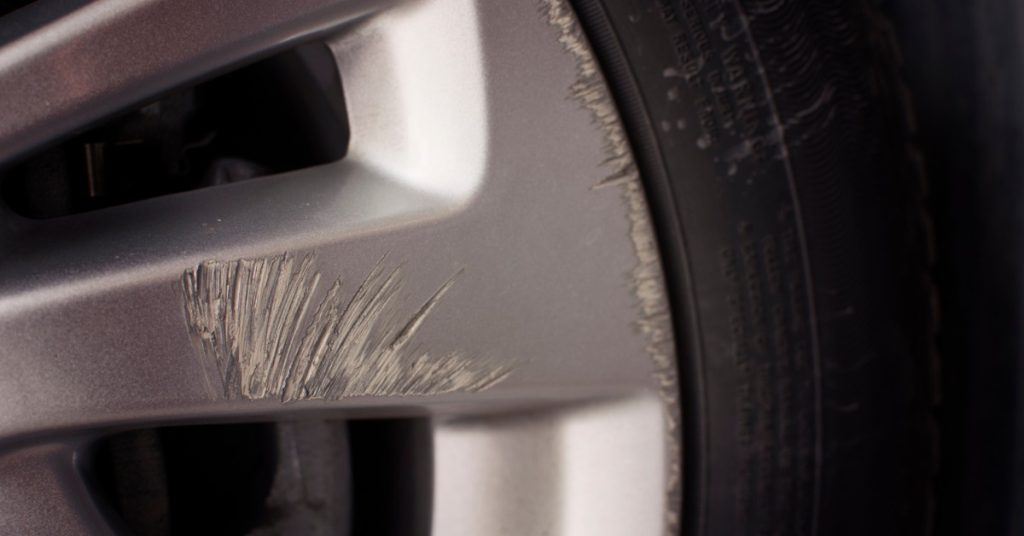
Not every road hazard sits in the center of a traffic lane. Curbs can cause their own type of wheel damage, especially in narrow streets and tight turns. Contact with concrete can scrape the wheel face or outer rim.
This type of damage is commonly called curb rash. Light marks may affect appearance more than function, but a harder strike can cause deeper gouges or deformation. The severity depends on the angle, speed, wheel design, and force of contact.
Drivers should pay attention to more than the visible scrape. If the curb strike felt forceful, check the tire sidewall and wheel for additional damage. What looks like a cosmetic mishap at first may have affected more than the finish.
Road debris doesn’t need to bend a rim to leave its mark. Gravel, loose pavement, and other debris can chip or scratch a wheel’s finish. Repeated exposure may leave a once-clean set of wheels with a rougher appearance.
A damaged finish can also expose the material beneath the surface coating. Moisture and salt may then reach those exposed areas. The exact effect depends on the wheel material and extent of the surface damage. Regular wheel washes give you a chance to notice new chips, scrapes, and other defects. Clean surfaces also make subtle damage easier to spot before it blends into layers of road grime.
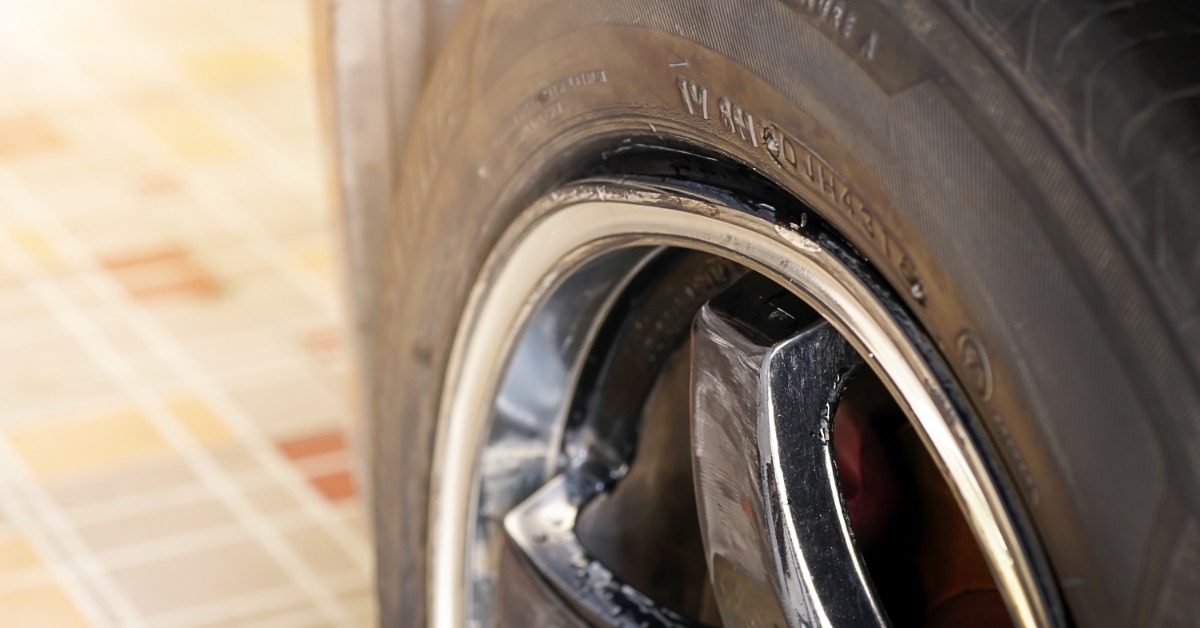
The bead seat is the area where the tire meets the wheel. A hard strike can damage or distort this part of the rim. If the tire no longer seals against the wheel as it should, air may escape.
That pressure loss may happen gradually rather than all at once. A driver might add air, see the pressure drop again days later, and assume the tire has a puncture. The wheel itself can sometimes be part of the problem.
Repeated pressure loss deserves a professional inspection. A technician can examine the tire and wheel together instead of treating the symptom alone. This approach helps identify the actual source of the leak.
Drivers can’t control every road surface, but a few habits can reduce unnecessary impacts. Leave enough space from the vehicle ahead so you have a better view of upcoming pavement. That extra distance can give you more time to react to a pothole or debris.
Keep tire pressure at the level recommended for your vehicle. Proper pressure helps the tire handle road forces as designed. Check the pressure regularly and after any noticeable loss of air.
If you can’t safely avoid a pothole, reduce speed before you reach it when traffic conditions allow. Avoid sudden maneuvers that could create another hazard. Safe vehicle control should remain the priority.
Road hazards are part of everyday travel, and even careful drivers can encounter a pothole or unexpected piece of debris. Understanding common wheel damage caused by road hazards helps you recognize bent rims, cracks, finish damage, and pressure problems before they become easy to ignore. If a recent impact left your vehicle with a vibration, damaged wheel, or tire pressure concern, RNR Tire Express can help. Visit your local RNR Tire Express for Tires in Panama City, and explore replacement options if your vehicle needs them.
By signing up you agree to our Privacy Policy.