Safety Tips
|
Aug 9, 2019
Tire pressure plays a major role in how your vehicle handles, brakes, rides, and uses fuel. Many drivers think about tire pressure only when a dashboard warning light turns on, but your tires need the right amount of air every day to perform the way they should.
In Mississippi, changing temperatures, long drives, rough roads, and daily commuting can all affect tire pressure. Below, we break down everything you need to know about tire pressure, from what it means to why it matters and how to include it in your regular maintenance routine.
Tire pressure measures the amount of air inside your tires. Most passenger vehicles list tire pressure in pounds per square inch, also called PSI. Your vehicle manufacturer sets the recommended PSI based on your vehicle’s weight, tire size, handling needs, and safety requirements.
This number does not come from the tire sidewall. The number on the sidewall shows the maximum pressure the tire can handle, not the ideal pressure for everyday driving. To find the correct tire pressure, check the sticker inside the driver’s door jamb or review your owner’s manual.
Correct tire pressure helps your tires maintain the right shape as they roll across the road. When tires have the proper air level, the tread contacts the road evenly. This improves traction, braking, steering response, and ride comfort.
Poor tire pressure can make your vehicle harder to control. It can also cause uneven tire wear, lower fuel efficiency, and increase the chance of tire damage. A few pounds of pressure may not seem like much, but small changes can affect how your tires perform.
Low tire pressure allows too much of the tire to touch the road. This creates extra friction, which builds heat and makes the tire work harder. Over time, that extra stress can weaken the tire and shorten its lifespan.
Underinflated tires can also make your vehicle feel sluggish or unstable. You may notice slower steering response, worse fuel economy, or a softer ride. In more serious cases, low pressure can increase the risk of a blowout, especially during highway driving or in hot weather.
Too much air pressure can also cause problems. Overinflated tires become stiffer, which reduces the amount of tread that touches the road. This can reduce traction, cause a harsher ride, and wear the center of the tread faster.
High tire pressure can make your vehicle feel bouncy over bumps and less stable during turns. It can also make tires more vulnerable to damage from potholes, curbs, and road debris.
Temperature changes can raise or lower tire pressure. Cold air makes tire pressure drop, while warm air makes it rise. A sudden cold front in Mississippi can cause your tire pressure monitoring system to alert you, even if the tire does not have a leak.
As a rule, tire pressure changes by about 1 PSI for every 10-degree shift in temperature. That means a cool morning and a warm afternoon can create different readings. For the most accurate result, check tire pressure when the tires are cold, before you drive far.
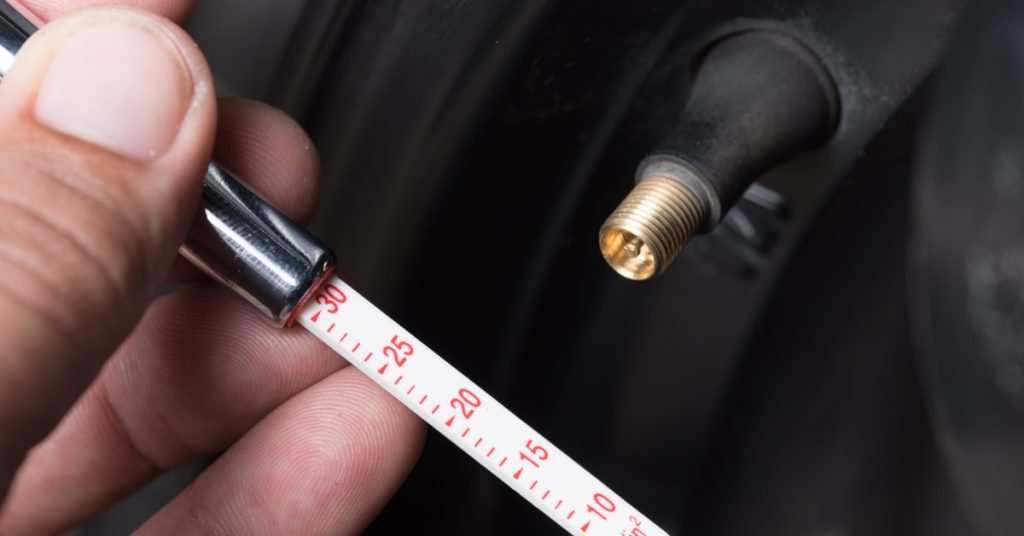
You can check tire pressure with a simple tire pressure gauge. Remove the tire’s valve cap, firmly press the gauge onto the stem, and read the PSI. Compare that number to the recommended pressure listed on your vehicle’s door sticker.
Check all four tires, not just the one that looks low. Tires can lose air at different rates, and visual checks do not always reveal a problem. Some low tires still look normal, especially on modern vehicles with lower-profile designs.
Drivers should check tire pressure at least once a month. You should also check it before long road trips, after major temperature changes, and when your tire pressure warning light appears. Regular checks help you catch small issues before they turn into costly problems.
Check tire pressure in the morning or after parking the vehicle for several hours. Driving heats up the tires and increases air pressure, which can give you a reading that does not reflect the true cold tire pressure.
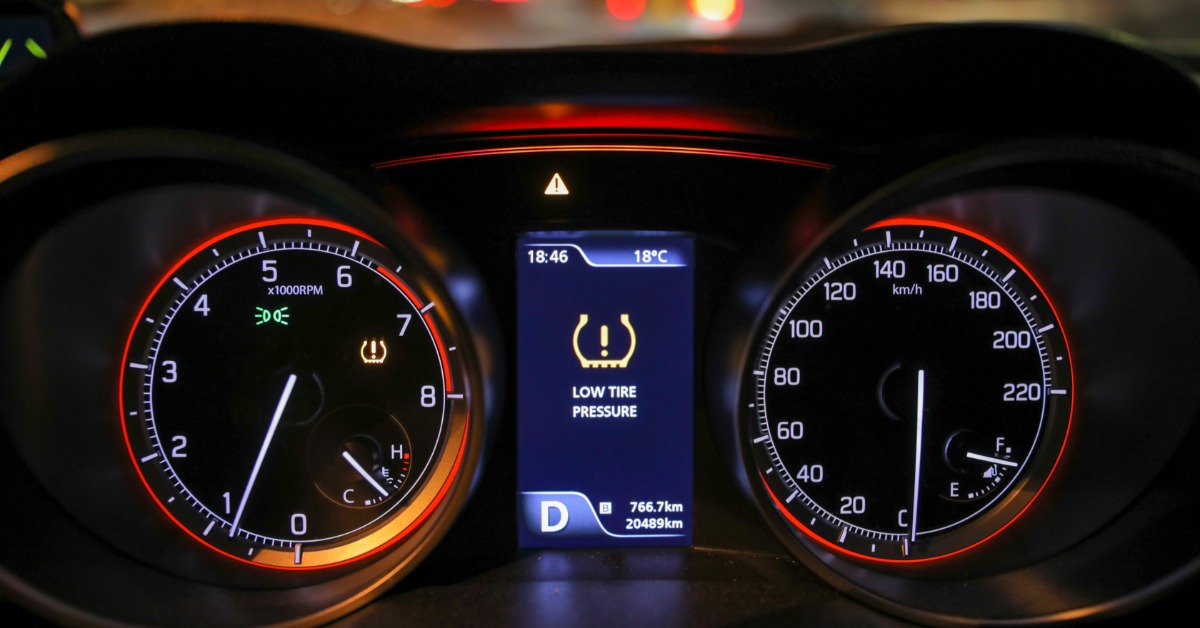
Most modern vehicles include a tire pressure monitoring system (TPMS). This system alerts you when one or more tires fall below a safe pressure level. The warning light usually looks like a horseshoe-shaped symbol with an exclamation point in the middle.
A TPMS warning helps, but it should not replace regular tire pressure checks. By the time the light turns on, your tire may already have been running low long enough to affect wear, handling, or fuel use.
Tires naturally lose small amounts of air through the rubber and valve stem. This slow air loss can happen even when the tire has no visible damage. That makes regular pressure checks important, even if your tires look fine.
Leaks can also come from punctures, damaged valve stems, corrosion around the wheel, or poor sealing between the tire and rim. If one tire keeps losing air faster than the others, inspect it. Repeatedly adding air without finding the cause can leave you at risk of a flat tire.
A heavier load can place more stress on your tires. Some vehicles list different pressure recommendations for normal driving and heavy cargo. Your owner’s manual can explain whether your vehicle requires an adjustment.
Do not exceed the tire’s maximum pressure or ignore the vehicle manufacturer’s guidance. Too much air can create its own safety issues. When you plan to carry extra weight, check the manual or ask a professional for help before making changes.
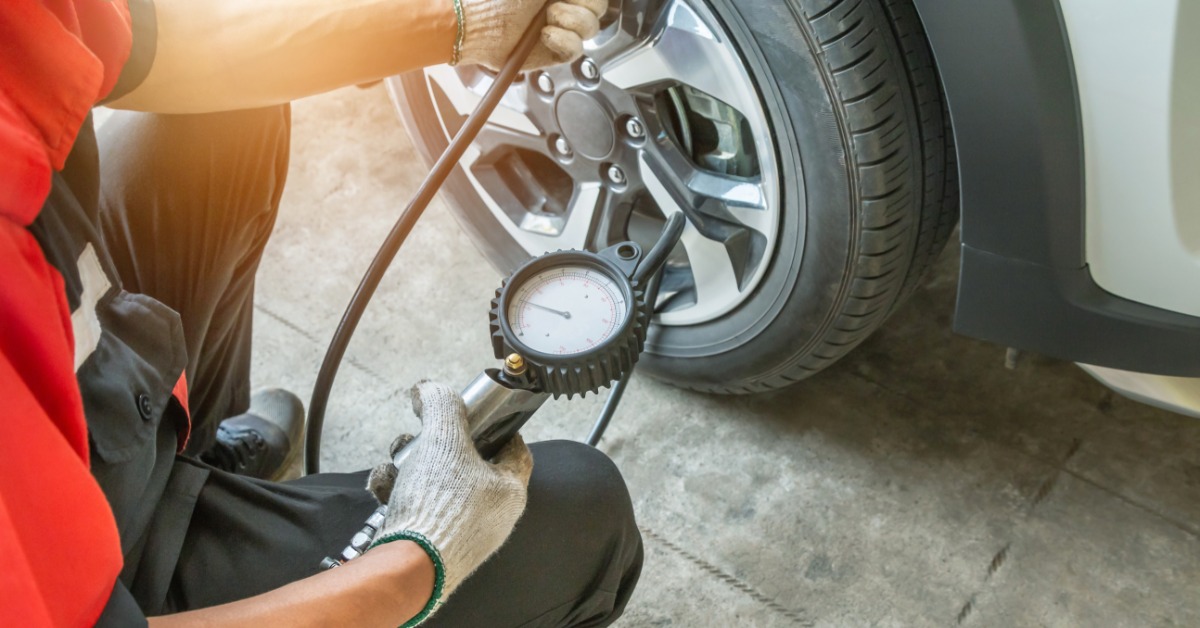
When your tire pressure light comes on, check your tires as soon as you can safely stop. Use a gauge to find which tire sits below the recommended PSI. Add air to the correct level, replace the valve cap, and watch for the light to turn off after driving a short distance.
If the light comes back on, one of your tires may have a leak or sensor issue. A tire inspection can identify punctures, valve problems, wheel damage, or TPMS concerns.
Tire pressure works together with rotation, balancing, alignment, and tread inspections. When you stay on top of these services, your tires can deliver better performance and longer life. Good tire care also helps you spot problems before they affect your daily routine. A trusted tire shop can check pressure, inspect tread, look for damage, and recommend replacement when needed.
Now that you know everything about tire pressure, you can properly take care of your car and its tires. When you check it regularly and respond quickly to warning signs, you help your vehicle perform the way it should.
For help with tire pressure, inspections, replacement, or tires in Hattiesburg, MS, visit RNR Tire Express. We’ll find the right tires for you and help you take care of them so that your investment goes further.
By signing up you agree to our Privacy Policy.