Safety Tips
|
Aug 9, 2019
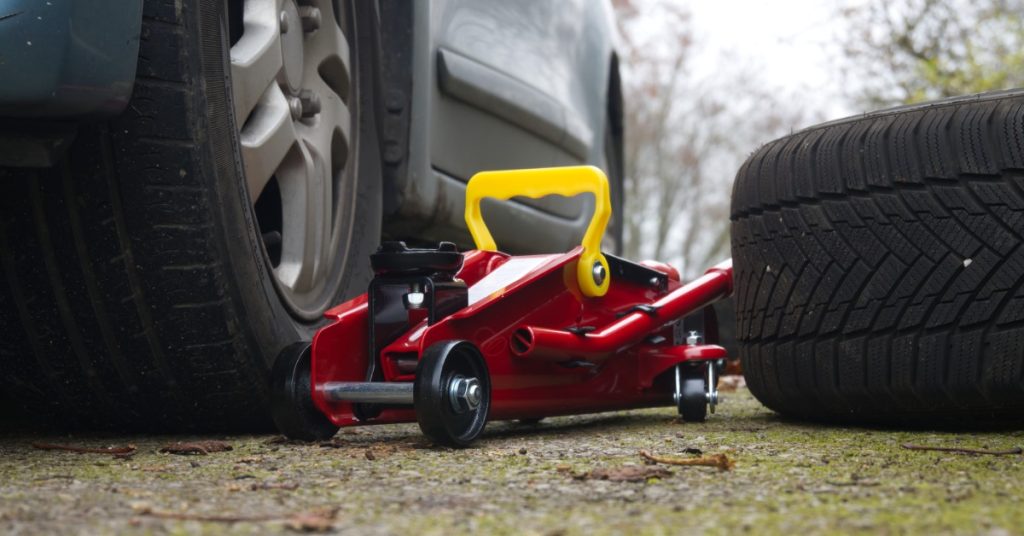
A spare tire can turn a stressful roadside problem into a manageable stop. When you get a flat tire on a Mississippi road, that spare gives you a way to move your vehicle out of danger and reach help. However, a spare tire does not work the same way as a regular tire, and drivers must understand its limits.
Many people do not think about their spare until they need it. By then, the tire may have low air pressure, visible cracking, missing tools, or the wrong fit for the vehicle. Below, we’ll outline everything you need to know about your car’s spare tire, from its type to how far you can drive on it and more.
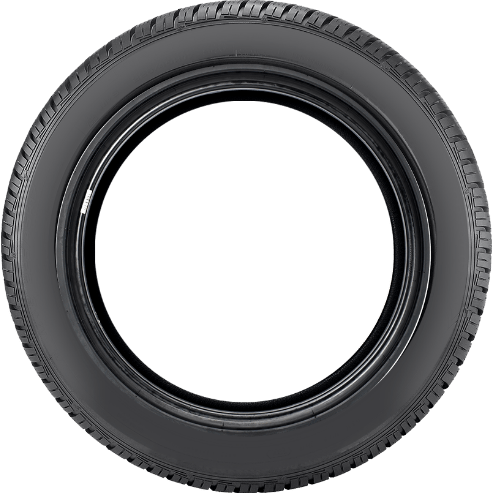
A spare tire is a backup tire that drivers use after a flat, blowout, puncture, or other tire failure. It allows you to keep control of the situation long enough to reach a safe location, a service center, or a tire replacement provider. Your spare may sit in the trunk, under the cargo floor, under the vehicle, or mounted outside the rear of the vehicle. Your owner’s manual can show where the spare sits and how to access it.
A spare tire should not replace regular tire care. You still need properly inflated, well-maintained tires for daily driving. The spare only supports you when one of those tires fails.
Mississippi drivers deal with heat, rain, rough road surfaces, and long stretches between stops. These conditions can make tire trouble more frustrating, especially if you drive on rural roads, highways, or busy city streets.
A working spare tire gives you more control during an emergency. Instead of waiting in an unsafe spot, you may be able to move your vehicle to a safer location. That can make a major difference when traffic moves fast or visibility drops during heavy rain.
Not every spare tire works the same way. Some vehicles come with a full-size spare, while others include a compact temporary spare. Some newer vehicles may not include a spare at all, but only a tire repair kit.
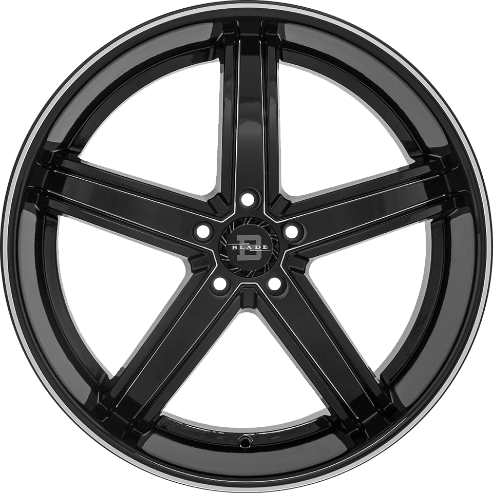
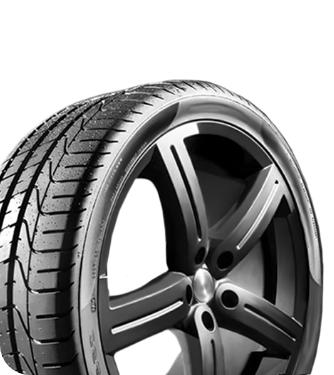
A full-size spare looks and performs more like a regular tire. It matches the general size of the other tires on the vehicle, although it still needs proper air pressure, tread depth, and condition. Some full-size spares use the same wheel as the rest of the vehicle, while others use a basic steel wheel.
A compact spare, also called a donut spare, is smaller and lighter. Automakers design it to save space and weight, not to support daily driving. It can help you reach a tire shop, but it should not stay on your vehicle longer than necessary.
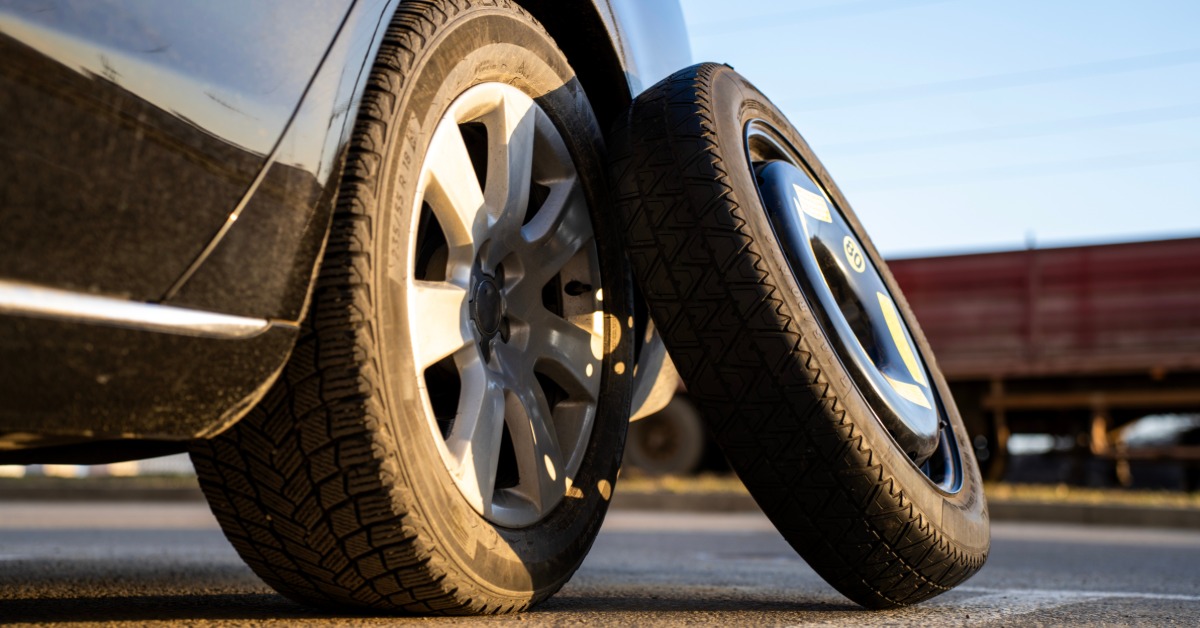
The safe driving distance depends on the type of spare. A full-size spare may allow more flexibility, especially if it matches your other tires and remains in good condition. Even then, you should inspect it and replace the damaged tire as soon as you can.
A compact spare has stricter limits. Many temporary spares carry guidance that tells drivers not to exceed 50 mph and not to drive beyond a short distance. The general range for spare tires is around 50 to 70 miles, though your owner’s manual and the tire sidewall should guide your decision.
A regular tire supports daily driving, highway speeds, cornering, braking, wet roads, and changing temperatures. A compact spare does not offer the same performance. Its smaller size and lighter build create limits you need to respect.
A compact spare may also affect the way your vehicle handles. You may notice a different steering feel, longer braking distance, reduced traction, or a slight pull. These changes can feel subtle at first, but they matter during quick stops or wet-road driving.
A spare tire only helps when it works. Many drivers assume their spare has enough air because they’ve never had to use it, but tires can lose pressure while sitting unused. Heat, age, and storage conditions can also weaken the rubber.
Check your spare tire pressure during routine vehicle maintenance. You should also inspect the tread and sidewall. Look for cracks, bulges, cuts, punctures, rust on the wheel, or signs of dry rot. If you find damage, replace the tire.
Spare tires age even when you never use them. Rubber changes over time, especially in hot climates and enclosed storage areas. A spare that looks unused can still become unsafe because age affects flexibility, strength, and reliability.
You can check the tire’s age by finding the DOT code on the sidewall. The last four digits show the week and year of manufacture. For example, a code ending in 2523 means the tire’s origin is the 25th week of 2023.
A spare tire needs the right tools. Most vehicles that include a spare also include a jack and lug wrench. Some vehicles also include a wheel lock key, extension rods, or special hardware for lowering a spare from under the vehicle.
You should know where these tools sit before you have a flat. A dark roadside shoulder is the wrong place to learn how your jack works. Take a few minutes at home to locate the spare, jack, wrench, and instructions.
Replace your spare tire when it shows damage, loses pressure repeatedly, is an unsafe age, or no longer matches your vehicle’s needs. You should also replace it after using it if the tire has suffered damage or heavy wear. A tire professional can inspect it and tell you whether it remains safe as an emergency backup.

Once you install a spare tire, adjust your driving right away. Slow down, avoid sharp turns, leave extra space, and drive directly to a tire service location. Do not treat the spare as a normal replacement.
After you reach a safe location, inspect the faulty tire. You can repair some punctures, while others require a full replacement. Sidewall damage, severe tread damage, and blowouts usually call for a new tire.
Now that you know everything about your car’s spare tire, you can travel with peace of mind. When you understand how your spare works, you can handle a flat tire with more confidence and less stress.
If your spare tire looks worn, your regular tires need attention, or you want help choosing replacement tires, visit RNR Tire Express, a trusted tire shop in Vicksburg, MS. Our Tire experts can offer guidance on spare tires and replacements for your vehicle.
By signing up you agree to our Privacy Policy.