Tires
|
May 30, 2019
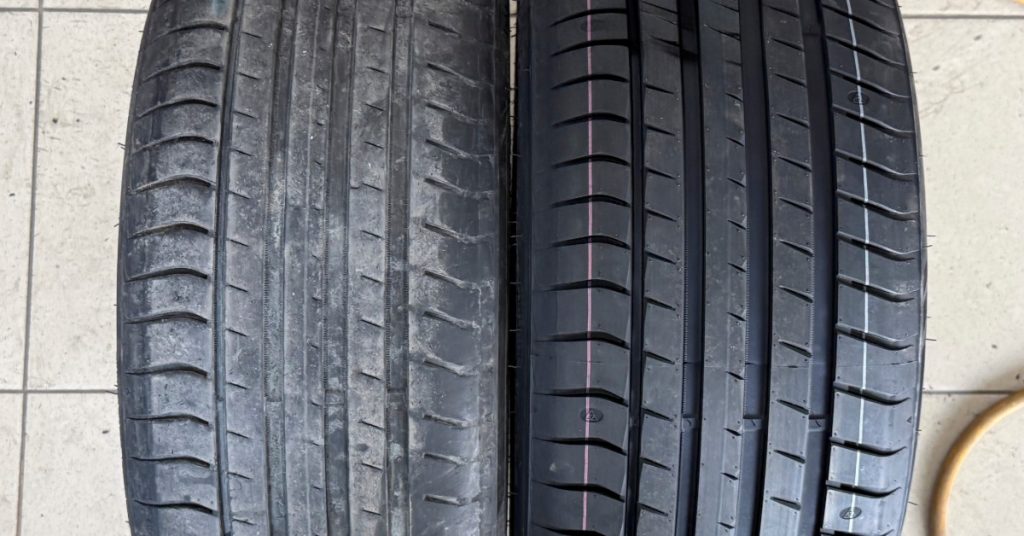
Tires usually give drivers clues before a larger problem shows up. A shake in the steering wheel or an uneven tread pattern could indicate cupping. This type of wear forms dips along the tread, which means the tire has not been meeting the road evenly. Understanding tire cupping and how to avoid it helps you catch issues before they affect safety or tire life. The sooner you notice the pattern, the easier it is to protect your vehicle.
Tire cupping creates a scalloped pattern across the tread. Instead of wearing flat, the rubber develops low spots that look scooped out. Some drivers first notice it by running a hand over the tire and finding raised and lowered sections along the surface.
A cupped tire makes a rhythmic thumping or humming noise at road speed. The sound grows more noticeable as the tire continues to wear unevenly. You might notice vibration through the seat or steering wheel. Unlike normal tread wear, cupping points to a mechanical or maintenance issue that needs attention.
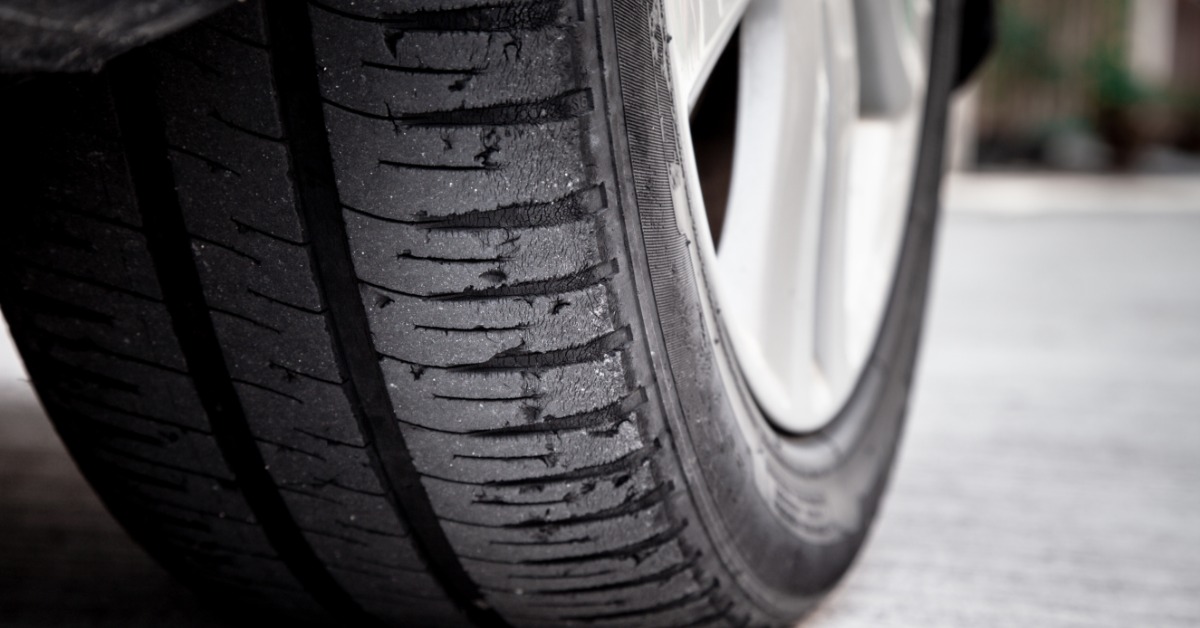
Tire cupping occurs when a tire bounces or drags unevenly on the pavement. The tread then wears in patches instead of making smooth contact with the road. Several issues lead to this pattern, and each one affects the tire differently.
Your suspension keeps the tire planted against the road. When shocks or struts wear out, the tire bounces more than it should after hitting bumps. That movement creates brief moments where the tread loses steady contact. Over time, those small skips leave uneven low spots. Drivers notice the tire noise first, but the suspension problem is usually what started the wear.
A wheel imbalance means the tire and wheel assembly does not rotate with even weight around its center. At higher speeds, that uneven weight creates vibration. The tire then presses harder in certain spots during rotation. This repeated force wears sections of tread faster than others. Balancing the wheels early prevents vibration from turning into visible cupping.
Misalignment changes the way the tire meets the road. Instead of rolling straight, the tire might scrub slightly across the pavement. That constant friction wears the tread unevenly, creating a rough edge or a patchy surface. Alignment problems do not always create obvious pulling right away. Sometimes the first sign is unusual tire wear.
Air pressure affects the shape of the tire as it rolls. Underinflation allows too much of the tread to flex against the road, creating heat and uneven stress. Overinflation pushes more pressure toward the center of the tread and reduces the tire’s ability to absorb impact smoothly. Either condition places extra strain on specific tread areas, raising the chance of cupping.
Bushings and ball joints help control wheel movement. When they wear down, the wheel has more movement than it should under braking, turning, or rough pavement. That loose movement changes the tire’s contact with the road from one moment to the next. Cupping follows because the tread does not remain stable with each rotation.
Some tires resist uneven wear better than others. A lower-quality tire might have a weaker tread design or less durable rubber, which means small vehicle issues leave marks sooner. Age has a similar effect. As rubber hardens, the tread loses some ability to flex evenly against the road. Tire condition involves more than tread depth alone.
Cupping makes a tire less predictable as damage spreads across the tread. What starts as extra road noise or vibration may lead to rougher braking or less stable cornering. Once the tread wears unevenly, the tire no longer performs the way it was designed to, which means the problem deserves attention before daily driving puts more strain on it.
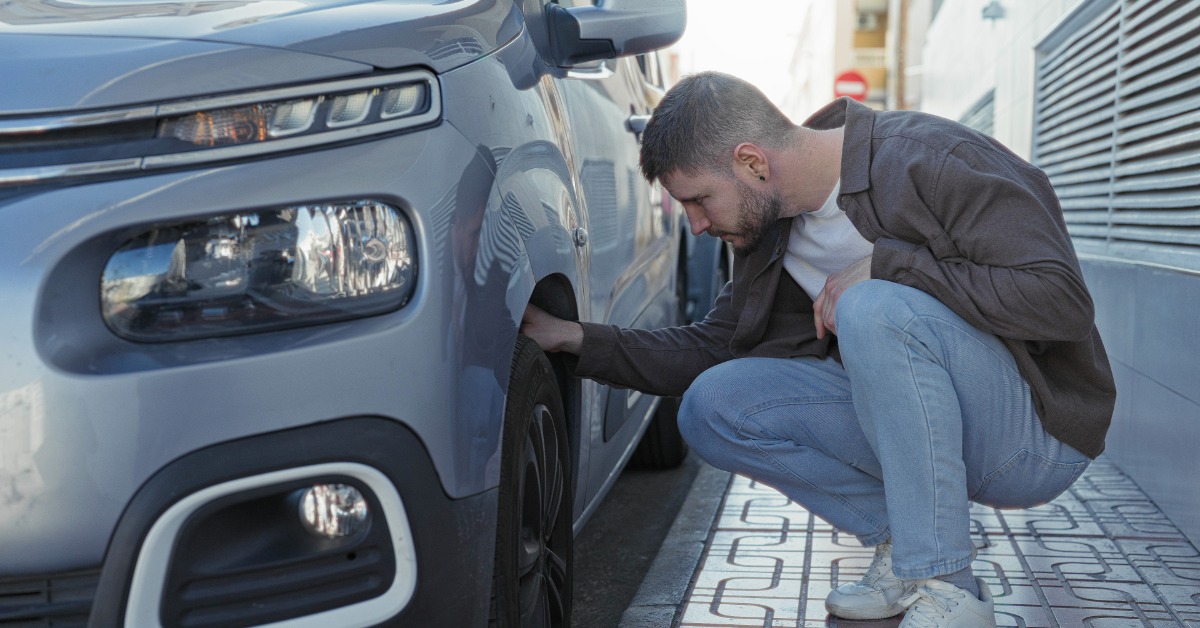
You do not need special equipment to spot early signs of cupping. Park on a level surface and wait until the tires are cool. Look across the tread instead of only checking the outer edge.
Run your palm lightly over the tread in both directions. A healthy tire should have a fairly consistent surface. A cupped tire feels wavy or choppy. Check more than one tire because the pattern might appear stronger on the front or rear.
Cupped tires are not always ruined, but the tread that has already worn away will not grow back. The real answer depends on how deep the cupping is and what caused it. Light cupping might improve after the tire is rotated and paired with the right repair. Severe cupping usually leaves lasting noise and vibration, even after the mechanical issue is corrected.
The source of the wear needs to be fixed first. Replacing a tire without addressing bad shocks, misalignment, or loose suspension parts only sets up the next tire for the same problem.
Prevention starts with keeping the tire in steady contact with the road. Check tire pressure regularly and use the pressure listed for your vehicle, not the number printed on the tire sidewall. Rotate your tires on schedule so each tire shares wear more evenly across its service life.
Pay attention to changes in ride quality. Something like uneven steering response should not be ignored for months. Alignment checks are worth scheduling after hard pothole hits or suspension work. Tire balancing is important after new tire installation and whenever vibration appears at speed. Choosing quality tires helps, too, because stronger tread construction holds up better under daily driving.
If the tread already looks scalloped, a professional inspection is the best next step. Tire cupping involves multiple issues, so replacing one part based on a guess might not solve the problem. A trained technician looks at tread wear, balance, alignment, and suspension condition as a whole.
Drivers searching for a tire shop in Tupelo, MS, should look for a team that understands both tire replacement and the vehicle issues that cause uneven wear. RNR Tire Express gives Gulf Coast drivers a straightforward place to shop for new tires and wheel alignments without making the process out of reach.
Tire cupping is one of those problems that rewards early attention. When the tread starts showing dips, your vehicle is telling you that something needs to be checked. Staying ahead of tire cupping and knowing how to avoid it protects your ride quality and your tire investment. RNR Tire Express is here to serve drivers who want safer, smoother miles.
By signing up you agree to our Privacy Policy.