Safety Tips
|
Aug 9, 2019
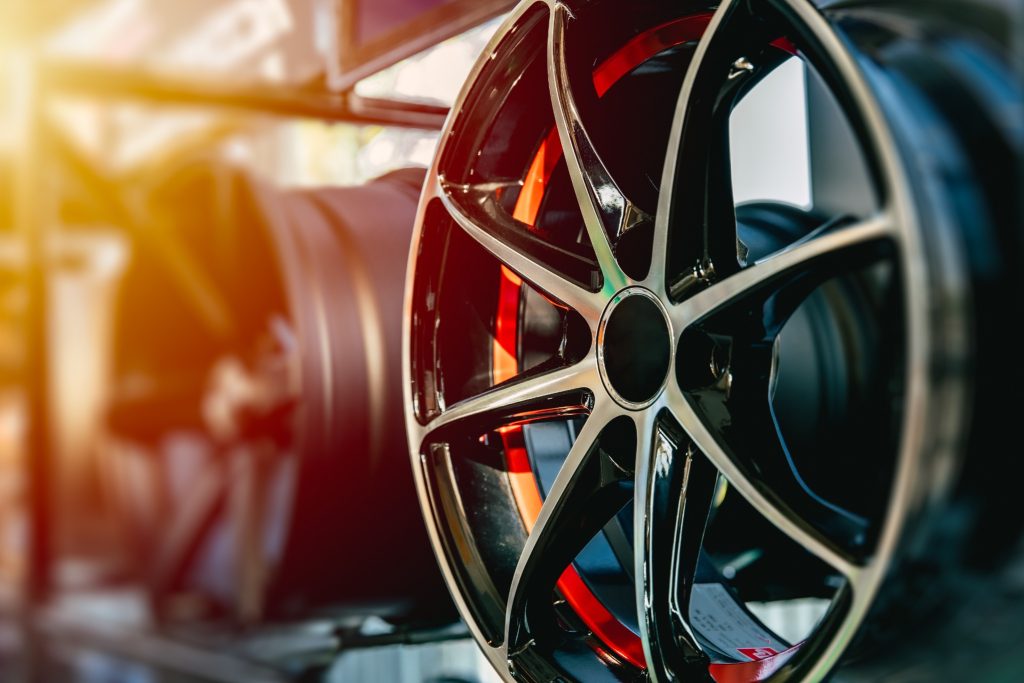
What Are Cast Wheels?
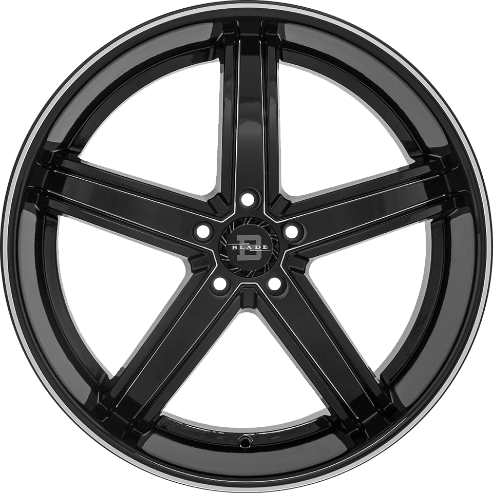
Cast wheels are made by pouring molten aluminum alloy into a mold. After the metal cools and hardens, the wheel is finished and inspected.
Because casting is an efficient manufacturing process, cast wheels are generally more affordable and available in a wide range of designs, sizes, and finishes. A quality cast wheel can provide the durability and appearance most drivers need for commuting, errands, and everyday travel.
Cast wheels often use more material to meet a given strength target, so they may weigh more than comparable forged wheels. That does not make them low quality. The wheel’s engineering, load rating, testing, and fitment are all important.
Cast wheels may be right for you if:
What Are Forged Wheels?
Forged wheels begin with a solid piece of aluminum alloy that is shaped under intense pressure. This process creates a dense, uniform material. The wheel is then machined into its final design.
Forged aluminum offers excellent strength-to-weight potential. This allows manufacturers to create wheels that are often lighter than comparable cast designs while still meeting demanding performance requirements.
The specialized equipment, machining, and production time involved make forged wheels more expensive. For drivers who want lower wheel weight, specialized fitment, or track-focused performance, the added cost may be worthwhile.
Forged wheels may be right for you if:
Why Wheel Weight Matters
Wheels are both unsprung mass and rotational mass. That means their weight can influence how quickly the suspension responds to the road and how the vehicle feels during acceleration, braking, and steering.
A lighter wheel may provide a more responsive feel, but lighter is not automatically better. Every wheel also needs sufficient stiffness, impact resistance, and load capacity. The best choice balances weight with strength, durability, and proper fitment.
What About Flow-Formed Wheels?
Flow-formed wheels offer a middle ground. They usually begin as cast wheels, but the barrel is shaped with rollers under pressure. This can improve the material properties of the rim area and reduce weight compared with a conventional cast wheel.
For drivers who want a performance upgrade without moving to the price of a fully forged wheel, a flow-formed option may be worth considering.
Choosing the Right Wheels
Before buying, make sure the wheels have the correct diameter, width, bolt pattern, center bore, offset, brake clearance, and load rating for your vehicle. The right tire size also matters. Incorrect fitment can cause rubbing, vibration, handling problems, or premature tire wear.
For many drivers, cast wheels provide the best balance of style, dependability, and value. Forged wheels make sense when weight reduction and performance justify the extra investment. Flow-formed wheels can offer a practical compromise between the two.
At RNR Tire Express, our team can help you compare wheel options, confirm proper fitment, and find a setup that works for your vehicle and your budget. Visit your local RNR Tire Express to explore available styles and ask about flexible payment options.
By signing up you agree to our Privacy Policy.