Tires
|
May 30, 2019
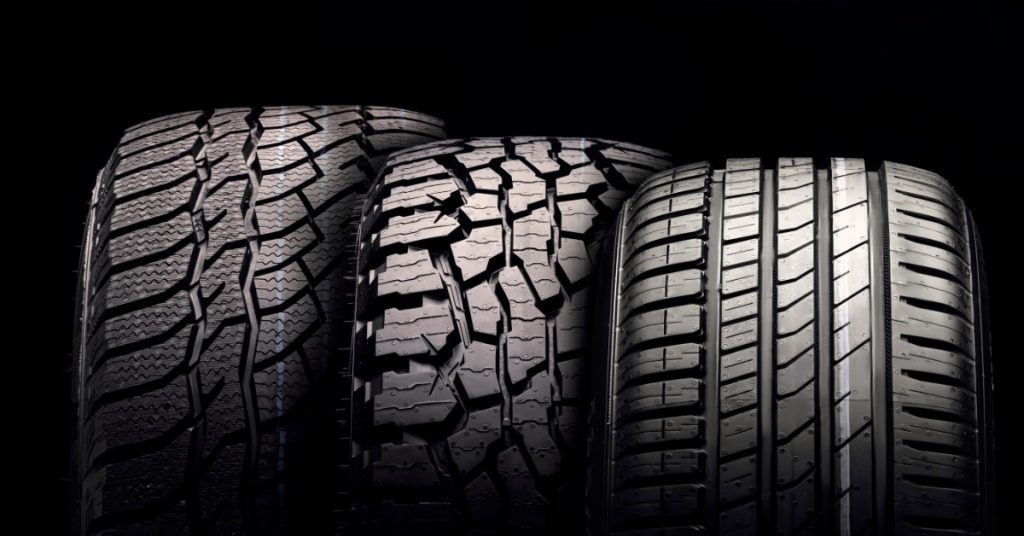
Tires do more than keep your vehicle moving. They influence how your vehicle grips the road, handles turns, responds in wet conditions, and feels during everyday driving. One of the biggest factors behind that performance is the tire tread pattern.
A tire’s tread pattern is the design mold of the rubber that contacts the road. The grooves, blocks, ribs, and channels all work together to move water, maintain traction, and support stable handling. Keep reading to understand how tire tread patterns affect your vehicle.
Before comparing tread patterns, it helps to understand the main parts of the tread. The tread blocks are the raised rubber sections that touch the road. The grooves are the spaces between those blocks, and they help move water away from the tire.
Sipes are the smaller cuts in the tread blocks that create extra biting edges for grip. The shoulder sits along the outer edges of the tread and helps support cornering, while the center rib can improve straight-line stability. Tire tread patterns use unique combinations of these design components to affect your vehicle differently.
Symmetrical tread patterns use the same design across the entire tire face. The inner and outer halves of the tire match, which gives the tire a consistent contact pattern on the road. This is the common design for everyday passenger vehicles because it supports smooth, predictable driving.
Drivers usually choose symmetrical tires for comfort, long tread life, and low road noise. They work well for regular city and highway driving, especially when performance needs are simple.
A symmetrical tread pattern can help your vehicle feel steady during normal driving. It does not usually focus on aggressive cornering or sport performance, but it does provide dependable handling for daily use.
This type of tread may also make the ride feel quieter because the pattern spreads road contact evenly. If you mainly drive to work, run errands, or travel on paved roads, symmetrical tires are a practical choice.
Asymmetrical tread patterns use different designs on the inner and outer sections of the tire. The inside portion usually helps move water away from the tire, while the outside portion supports cornering and dry-road grip.
Many performance-focused vehicles use asymmetrical tires, but they can also work well for drivers who want a strong balance of wet traction, dry handling, and comfort. Because each side of the tread has a specific job, these tires require correct and precise mounting.
Asymmetrical tread can improve stability when turning, changing lanes, or driving on wet roads. The outer tread blocks help the tire plant on the road during cornering, while the inner grooves help manage water.
This design can give drivers a more confident feel behind the wheel. It may suit drivers who want dependable everyday performance without moving into a more aggressive tire style.
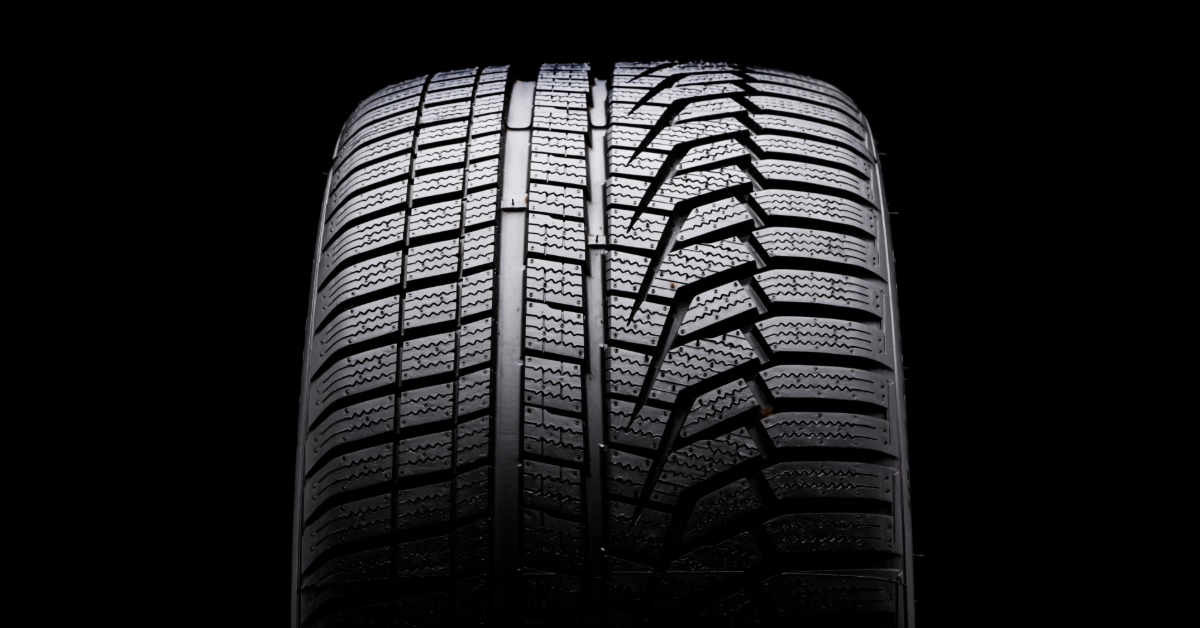
Directional tread patterns feature a V-shaped or arrow-like design that points in one direction. This pattern helps push water away from the center of the tire and out through the sides. These tires must rotate in a specific direction to work correctly, so pay attention to their mounting and rotation.
Directional tread patterns can help improve traction on wet roads by reducing the amount of water between the tire and the pavement. That can support better control when driving through rain or standing water.
Some directional tires also provide a sportier feel because the tread design supports forward grip. Drivers who deal with heavy rain or want a sharper response may prefer this type of tread.
All-terrain tread patterns use larger tread blocks, wider grooves, and stronger shoulder designs. They help vehicles handle paved roads, gravel, dirt, and uneven surfaces. Many trucks, SUVs, and crossover vehicles use all-terrain tires to add versatility.
These tires give drivers more traction beyond smooth pavement, but they may create more road noise than standard touring tires. They can also feel firmer depending on the tire design, vehicle type, and road surface.
All-terrain tires can help your vehicle grip loose surfaces more effectively. The wider spaces between the tread blocks allow the tire to bite into dirt, gravel, and mud while remaining usable on highways. For drivers who split time between city roads, work sites, rural routes, and outdoor areas, all-terrain tread can provide a useful balance.
Touring tire tread patterns focus on comfort, stability, and long-distance drivability. These tires usually feature continuous ribs, carefully placed grooves, and tread blocks that reduce vibration and noise. They are a common choice for sedans, minivans, crossovers, and many everyday vehicles.
A touring tread pattern may not feel as aggressive as a performance tire, but it can make daily driving smoother. It also supports steady handling and dependable traction for normal road conditions.
Touring tires can make your vehicle feel more comfortable on highways and city streets. The tread pattern helps maintain steady road contact, which can reduce noise and support a smoother ride. Drivers who value comfort, predictable handling, and practical tread life may find touring tires a strong fit.
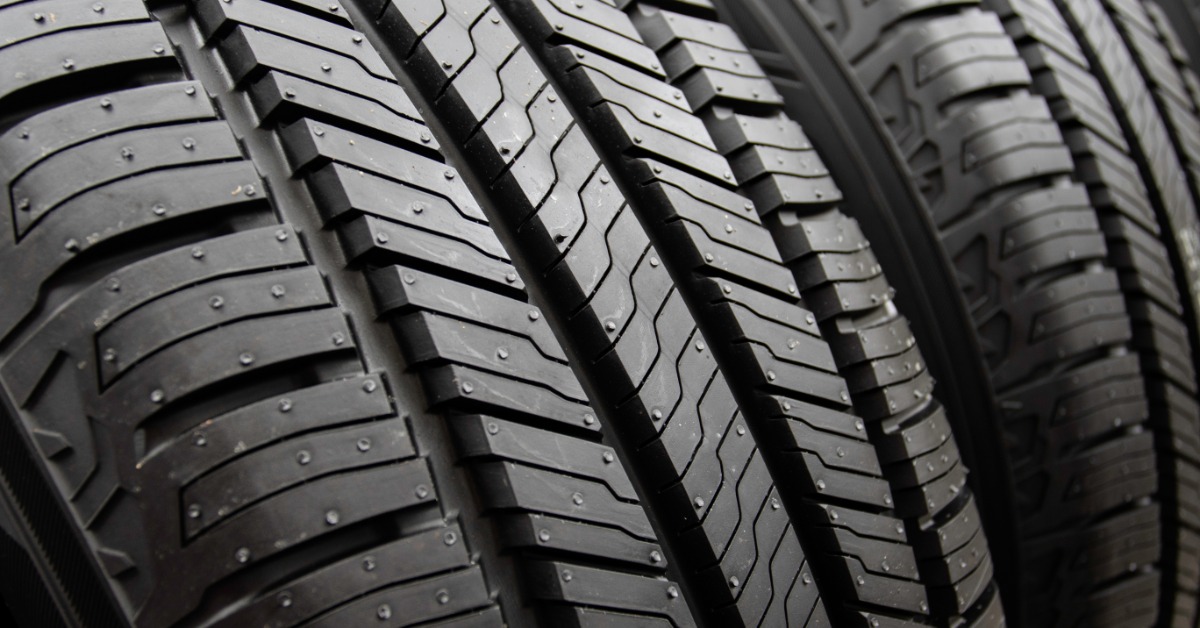
Performance tread patterns focus on handling, grip, and response. These tires may have wider tread blocks, shallower grooves, and unique shoulder designs that help the tire stay stable during quick steering inputs.
Performance tires can improve dry-road handling, but some designs may wear faster than standard tires. They may also trade some comfort for sharper control, depending on the tire model.
Performance tread helps your vehicle respond quickly when you turn, brake, or accelerate. The pattern increases road contact in key areas, which can improve grip and control during spirited driving. This type of tire best suits drivers who care about steering feel and cornering stability.
Highway tread patterns are for stable driving on paved roads. They usually feature straight ribs, moderate grooves, and a tread layout that supports even wear. Many light trucks, SUVs, and daily drivers use highway tires when comfort and road manners matter most.
These tread patterns work well for drivers who spend most of their time on city streets, interstates, and main roads. They can provide a quieter ride than more aggressive tread styles.
Highway tires help your vehicle track smoothly at steady speeds. Their tread patterns support straight-line stability, which offers more control for longer drives. They’re also quieter on the road than chunkier tread designs.
Different tire tread patterns affect traction, handling, comfort, road noise, and wear. Whether you want tires that firmly grip the road for performance driving or offer a quiet ride on the highways, there’s a tread pattern for you.
At our RNR Tire Express tire shop in Memphis, TN, we have every kind of tread pattern to choose from. Shop online or book an appointment with one of our tire experts for guidance on what’s best for you and your vehicle.
By signing up you agree to our Privacy Policy.