Safety Tips
|
Aug 9, 2019
A nail in your tire can turn an ordinary drive into an instant problem. One minute, your vehicle feels fine, and the next, your tire pressure light appears, or you notice a slow leak before heading out.
A tire patch or plug can be a practical repair in the right situation, but it is not a cure for every puncture. The life of the repair depends on the location of the damage, the execution of the repair, the condition of the tire, and how you drive afterward. When considering these factors, drivers can determine how long they can rely on a tire patch or plug.
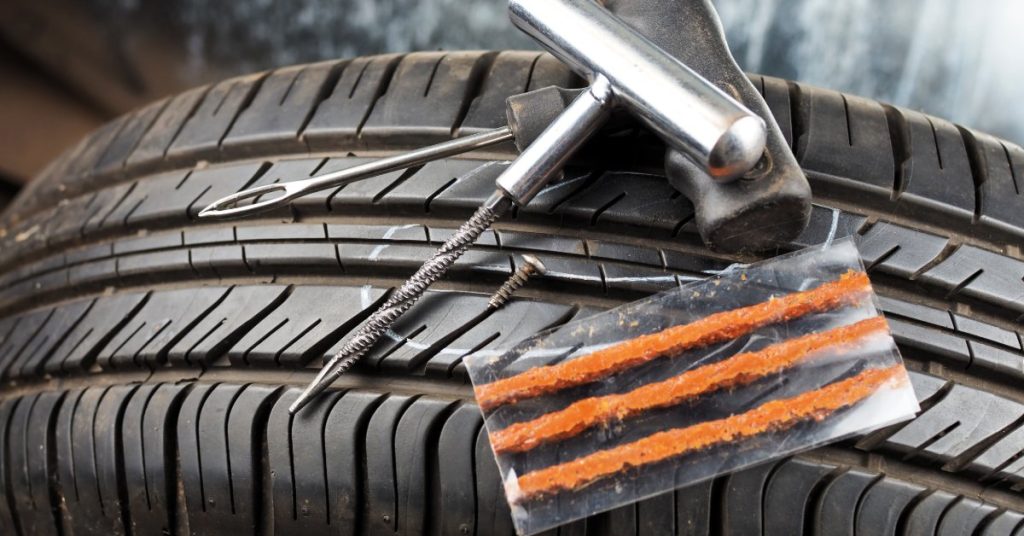
A tire plug seals a puncture from the outside by filling the hole left by a nail, screw, or similar object. A technician inserts the plug into the damaged area, and the material helps stop air from escaping. Plugs can work well for certain tread-area punctures, especially for simple and minor damage.
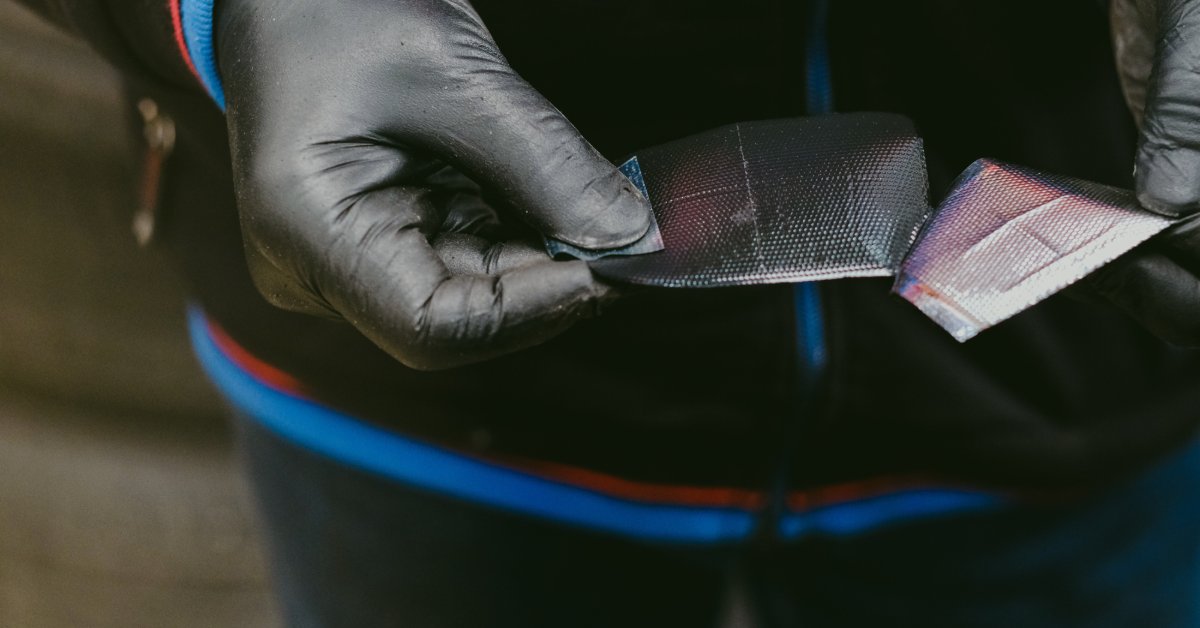
A tire patch works from the inside of the tire. The tire comes off the wheel, and a patch seals the inner liner where air would otherwise leak out. Many professional tire repairs use a patch-plug combination, which seals the puncture channel and the inner liner at the same time.
A properly repaired tire can last for the rest of the tire’s usable life when the damage meets repair standards, and the tire remains in good condition. That means the puncture sits in the repairable tread area, the hole is not too large, and the tire has no hidden damage inside. The quality of the repair matters just as much as the damage itself.
A quick plug alone may hold air for a while, but it does not always address the full puncture path or the inner liner. A professional repair gives you a better chance of long-term reliability because the technician can inspect the inside of the tire before sealing it.
The safest repair zone sits in the main tread area of the tire. This is the part of the tire that meets the road and has the structure to support certain repairs. When a small puncture lands there, a technician can repair it safely after checking the tire.
Punctures near the sidewall or shoulder are different. These areas flex as the tire rolls, turns, and carries weight, which makes reliable repair much harder.

Another key factor in determining how long you can safely rely on a tire patch or plug is the size of the puncture. Small punctures from nails or screws in the tread area have the best chance of being repairable. When the hole stays within an acceptable size, and the tire has no other issues, a patch-plug repair can create a strong seal.
Larger holes, jagged damage, or punctures from unusual objects may weaken the tire beyond repair. The same applies when multiple punctures sit too close together.
A repair cannot restore a tire at the end of its useful life. Worn tread, cracked rubber, or uneven tire wear can mean a patch or plug will only delay the replacement you already need. In that situation, the repair may not be worth the risk or cost.
Age also matters because rubber changes over time. Heat, sunlight, road conditions, and normal use can make a tire less flexible and less dependable.
A slow leak may not seem urgent at first, but driving on a tire with low air pressure can damage the inside of the tire. The sidewall can overheat, weaken, or break down before you notice anything from the outside. Once that happens, the tire may no longer be safe to repair.
If you suspect a puncture, check the pressure and avoid driving farther than necessary. Adding air may help you reach a tire shop, but it does not solve the cause of the leak. The sooner you get the tire inspected, the better your chances of saving it.
After a tire repair, your vehicle should feel normal, and the tire should maintain proper air pressure. If the tire pressure light returns, the tire looks low, or you hear air escaping, the repair needs another inspection.
You should also pay attention to vibration, pulling, thumping, or a change in ride comfort. These symptoms can point to tire damage, wheel issues, or another problem that needs attention.
A properly repaired tire in good condition can usually return to normal driving, including highway driving. A professional repair should include an internal inspection, correct sealing, and confirmation that the tire still meets safety standards.
However, a temporary plug, emergency sealant, or questionable repair is not the same as a professional repair. Highway speeds create heat and pressure, which can expose weak repairs quickly, so use caution for high speeds.
A puncture can look simple from the outside while hiding damage inside the tire. The inner liner may have scuffs, the sidewall may have heat damage, or the puncture path may sit at an angle that makes sealing difficult. You cannot see those issues without removing the tire from the wheel.
A professional inspection helps you avoid guessing. The technician can decide whether the tire requires repair, the quality of the repair, or whether replacement is the safer route.
A repaired tire needs the same care as the rest of your tires. Keep it inflated to the pressure listed for your vehicle, check it during routine tire pressure checks, and watch for new leaks. Proper inflation helps the repair area stay stable and reduces extra stress on the tire.
You should also rotate your tires on schedule and keep an eye on tread wear. Uneven wear can add strain to a repaired tire and shorten its usable life.
Replacement makes sense when the puncture sits outside the repairable tread area, the hole is too large, or the tire has internal damage. It also makes sense when the tread is low, the tire is old, or the tire has been repaired before in a nearby spot. In those cases, another repair may not deliver the reliability you need.
A tire patch or plug can last a long time when the puncture is small, in the tread area, and repaired correctly. It becomes less dependable when the damage sits near the sidewall, the tire has internal wear, or the repair only provides a temporary seal. The safest answer comes from a full inspection, not a quick look at the outside of the tire.
If you need help deciding whether to repair or replace your tires in Montgomery, RNR Tire Express can help you find the right next step for your vehicle. For dependable tires and tire services, visit RNR Tire Express today!
By signing up you agree to our Privacy Policy.