Misc.
|
Jan 17, 2020
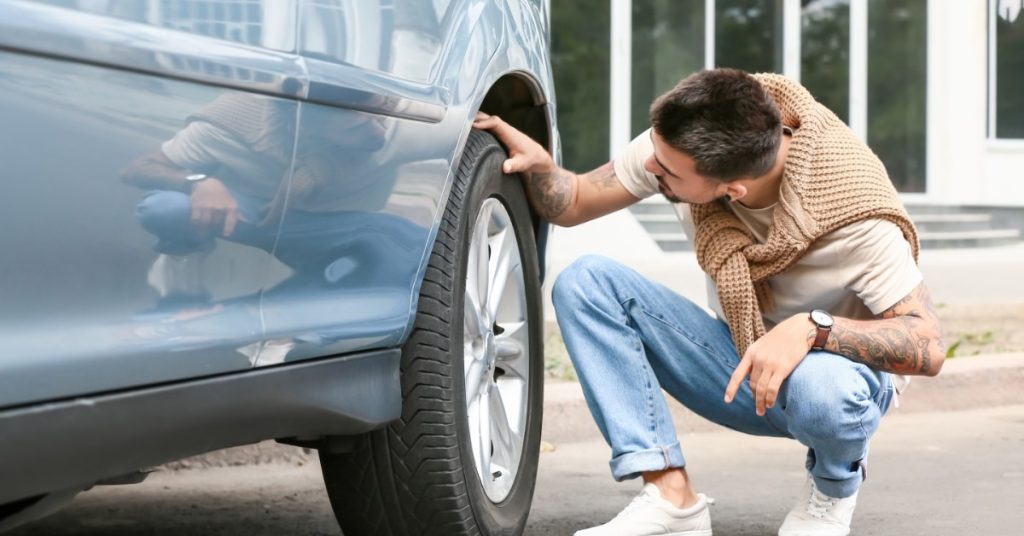
Regenerative braking has transformed how modern vehicles manage energy and efficiency. Electric and hybrid vehicles rely on this system to recover energy while slowing down. Drivers often focus on fuel savings and battery performance, but tire wear deserves equal attention. Understanding how regenerative braking affects tires helps drivers make smarter maintenance decisions and extend tire life.
This braking method changes how force transfers through the tires during deceleration. Traditional braking relies entirely on friction, while regenerative systems shift part of that workload to the electric motor.
That difference creates unique stress patterns across the tire surface. Drivers who understand these changes can better protect their investment and improve overall vehicle performance.
Regenerative braking converts kinetic energy into electrical energy during deceleration. The system uses the electric motor to slow the vehicle instead of relying only on brake pads. This process reduces wear on traditional braking components while charging the battery. However, changes in braking dynamics directly influence how tires interact with the road.
Electric motors apply resistance differently than standard braking systems. This resistance often creates smoother but more sustained deceleration forces. Tires must handle these forces over longer periods rather than short bursts. That shift affects tread wear patterns and overall tire longevity.
Regenerative braking distributes braking force more evenly across the tires. This even distribution reduces sudden friction spikes that occur with traditional braking. However, it increases continuous rolling resistance, which can gradually wear down the tread. Tires experience a different type of strain that requires attention to alignment and inflation.
Electric vehicles often weigh more due to battery packs. This added weight increases the load on each tire during braking. When regenerative braking engages, that weight combines with sustained deceleration forces. The result leads to unique wear patterns that differ from conventional vehicles.
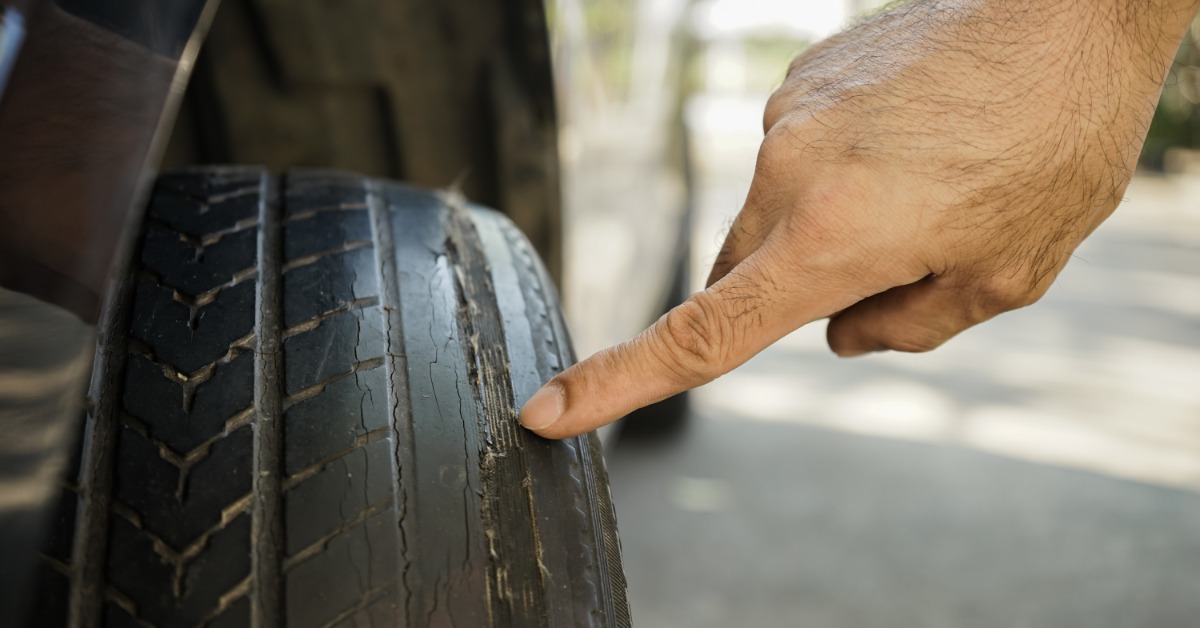
Electric motors deliver instant torque, which affects both acceleration and deceleration. During regenerative braking, the motor applies reverse torque to slow the vehicle. This force transfers directly to the tires, especially the drive wheels. Over time, this repeated torque application can accelerate tread wear if drivers do not monitor tire condition.
Front-wheel-drive electric vehicles often show more wear on the front tires. Rear-wheel-drive systems may shift that wear to the rear tires instead. All-wheel-drive setups distribute torque more evenly but still create consistent stress across all tires. Regular tire rotation helps counteract these effects and promotes even wear.
Regenerative braking produces smoother deceleration, reducing abrupt tread damage. However, it can lead to more uniform but faster overall wear. Drivers may notice that tires wear evenly across the tread but lose depth more quickly. This pattern often surprises drivers who expect longer tire life from reduced brake usage.
Heavier vehicles combined with regenerative systems increase contact pressure on the road. That pressure accelerates tread wear, especially during frequent stop-and-go driving. Urban environments often amplify this effect due to constant braking cycles. Monitoring tread depth becomes essential for maintaining safety and performance.
Driving style plays a major role in how regenerative braking affects tire wear. Aggressive driving increases the intensity of regenerative braking forces. Smooth and controlled driving reduces stress on the tires and improves longevity. Drivers who anticipate stops and coast more often place less strain on their tires.
Adjustable regenerative braking settings in many vehicles give drivers more control. Higher settings increase energy recovery but also raise tire stress. Lower settings reduce that stress but rely more on traditional brakes. Finding the right balance helps protect both the battery system and the tires.
Proper tire pressure becomes even more important with regenerative braking systems. Underinflated tires create more rolling resistance, which increases wear during deceleration. Overinflated tires reduce contact area and can lead to uneven wear patterns. Maintaining the correct pressure ensures optimal performance and durability.
Regular maintenance helps drivers stay ahead of potential issues. Tire rotations, alignments, and inspections keep wear patterns consistent. Electric and hybrid vehicles benefit greatly from proactive tire care. Consistent maintenance reduces long-term costs and improves driving safety.
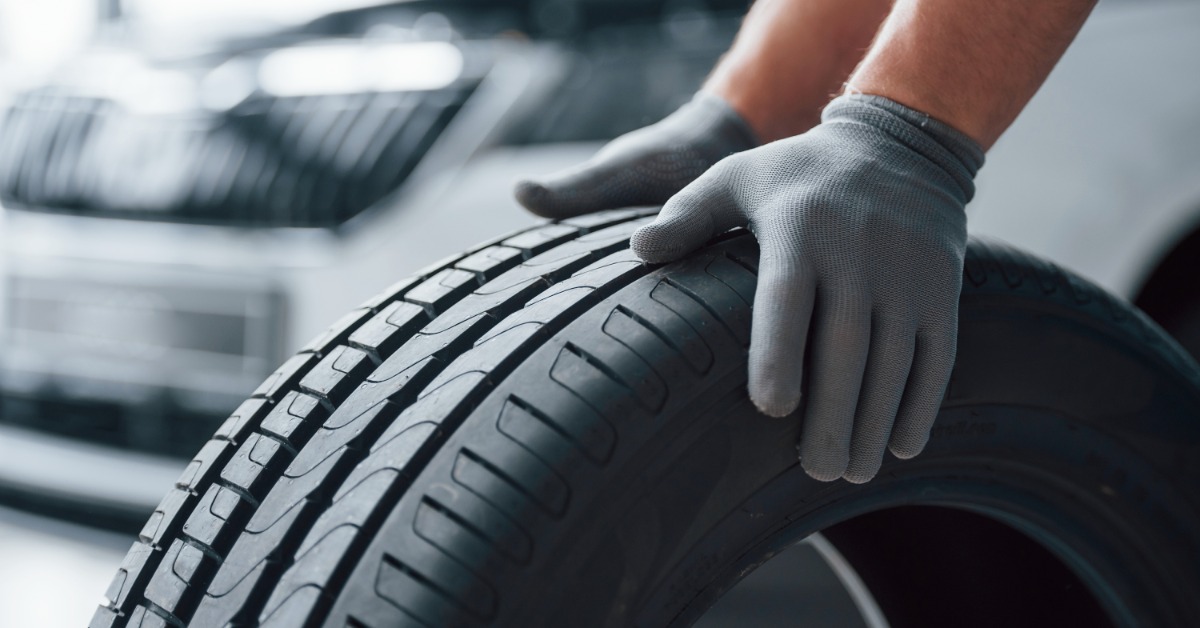
Several factors determine how regenerative braking impacts tire life. Drivers should pay attention to these elements to maintain optimal tire performance:
Each factor contributes to how quickly tires wear under regenerative braking conditions. Addressing these elements helps extend tire life and maintain consistent performance. Drivers who stay proactive can avoid premature tire replacement. Regular inspections ensure that small issues do not become costly problems.
Not all tires perform equally under regenerative braking conditions. Tires designed for electric vehicles feature reinforced sidewalls and specialized compounds. These designs handle increased weight and torque more effectively. Choosing the right tire improves durability and enhances overall driving performance.
Low rolling resistance tires often pair well with regenerative systems. These tires improve efficiency while reducing unnecessary wear. However, drivers should balance efficiency with durability and traction.
Selecting high-quality tires ensures better handling and longer service life, so visit RNR Tire Express for the best tire options. Our expert team can help you choose the best option so visit our tire shop in Tucson today.
Regenerative braking can extend or shorten tire life depending on how drivers manage their vehicles. Smooth driving and proper maintenance often lead to longer-lasting tires. Aggressive habits and neglect can accelerate wear despite the benefits of regenerative systems. Understanding these dynamics helps drivers make informed decisions.
Electric and hybrid vehicles continue to evolve, and tire technology evolves alongside them. Manufacturers design new tires specifically for these vehicles to handle unique stresses. Drivers who stay informed about these advancements gain a clear advantage. Investing in the right tires and maintenance practices ensures consistent performance over time.
Regenerative braking offers impressive efficiency benefits, but it changes how tires wear over time. Drivers must recognize how weight and braking patterns influence tire performance.
Consistent maintenance and smart driving habits protect tires and extend their lifespan. A trusted provider like RNR Tire Express can help drivers choose the right tires and maintain them for optimal results.
By signing up you agree to our Privacy Policy.