Tires
|
May 30, 2019
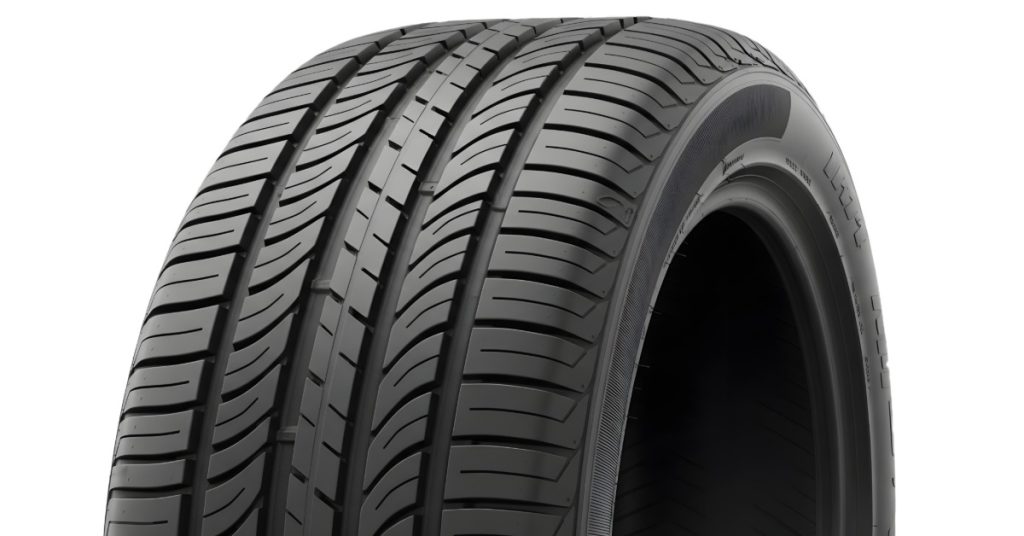
Drivers tend to notice tread patterns, tire size, and brand names first when they shop for a new set of tires. Yet one of the biggest influences on how a tire behaves comes from something less visible: the rubber compound itself. Tire manufacturers adjust rubber formulas to produce different levels of traction, durability, comfort, and response.
That means two tires with similar tread designs can still feel noticeably different on the road. One may favor long tread life, and another may prioritize grip during quick turns or wet-weather stops. Understanding how tire compound affects road performance can help drivers choose a tire that better matches their vehicle and daily routine.
A tire compound is the blend of materials that form the tire’s rubber components. Natural rubber and synthetic rubber form part of the mixture, but manufacturers also add materials such as silica, carbon black, oils, and other compounds. The exact recipe varies according to the tire’s application.
Manufacturers can adjust these formulas to change the characteristics of the finished tire. A softer formulation may provide more traction because the rubber can conform more closely to the pavement. A firmer compound may resist wear for a longer period.
The compound also must work across a broad range of conditions. Heat, cold, water, road texture, vehicle weight, and driving style all place different demands on the tire.
A modern tire may use more than one type of rubber compound. The tread, sidewall, inner liner, and other components face different stresses, so manufacturers can use special formulations throughout the structure.
For road performance, the tread compound receives much of the attention because it directly contacts the pavement. Its formulation affects how the tire responds to acceleration, braking, turns, and changes in road conditions.
A soft tire compound affects road performance because it can flex and conform to small variations in the road surface. That greater contact can help the tread maintain traction, especially during acceleration or cornering.
Performance-oriented tires commonly use compounds that favor this type of grip. A driver may notice sharper response during a turn or greater confidence when the vehicle changes direction. Extra grip does come with a tradeoff. Softer rubber can wear at a faster rate, particularly under aggressive acceleration, hard braking, or frequent high-speed driving.
For drivers who compare tires in Pascagoula, MS, local climate and daily driving conditions can influence which compound characteristics make the most sense. Mississippi heat, summer rain, highway travel, and city traffic can all affect how a tire performs throughout its service life.
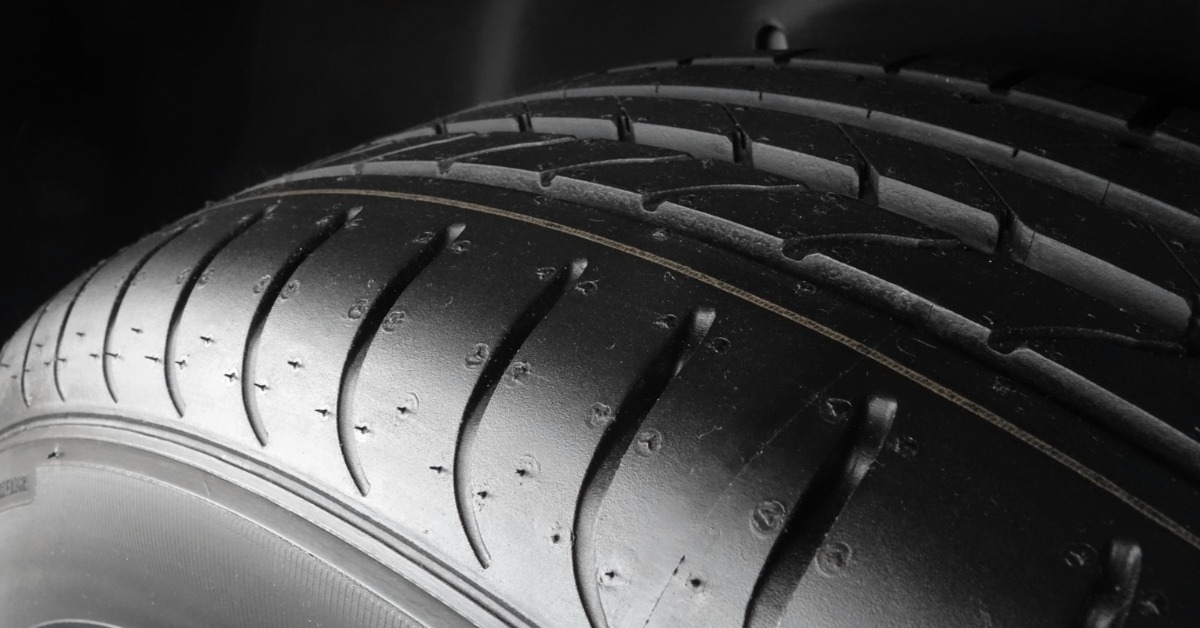
A harder rubber formulation generally resists abrasion better than a soft one. Tire manufacturers can use that characteristic to create products for drivers who place greater value on mileage and everyday durability.
These tires can work well for long commutes, frequent highway trips, and vehicles that accumulate miles quickly. The compound sacrifices some of the highly responsive feel associated with sport-focused rubber, but many everyday drivers may prefer the longer lifespan.
There isn’t one compound that works best for every vehicle. A commuter sedan, a performance coupe, and a full-size pickup place different demands on their tires.
Manufacturers account for those differences when they develop tire models. Rather than searching for the hardest or softest tire available, drivers benefit from choosing a product suitable for their normal road use.
Rubber reacts to temperature. As temperatures rise or fall, the compound can become softer or firmer, which changes the way the tire interacts with the road.
Summer-oriented tire compounds perform well in warm conditions. Their rubber can provide strong dry and wet traction when pavement temperatures rise. In colder weather, the same compound may become less flexible.
All-season tires use formulations designed for a broader temperature range. They provide a compromise that suits many drivers who experience warm summers, rain, and occasional colder days without regularly facing severe winter conditions.
Rain introduces another challenge because the tire must maintain contact with pavement through a layer of water. Tread channels help move water away, but the rubber compound also contributes to traction.
Silica has become a common ingredient in many modern tire compounds because it can help manufacturers balance wet grip with other performance characteristics. The complete formula matters, since no single ingredient determines a tire’s behavior by itself. A tire with good wet-road characteristics can provide more predictable response during turns and braking on rain-covered pavement.
Braking puts major demands on the tire’s contact patch. The rubber must create enough friction with the pavement to help the vehicle slow down.
A compound for stronger traction can help the tire maintain contact under braking, especially on dry pavement. Wet conditions add another layer of complexity because tread design and water evacuation become part of the equation. The relationship between compound and braking also shows why tire selection should match vehicle use.
Drivers sometimes associate tire comfort entirely with sidewall height or tire pressure. Rubber formulation can contribute as well.
A more flexible compound may absorb small road imperfections differently from a firmer one. That can influence how bumps, pavement seams, and rough surfaces feel inside the cabin.
Manufacturers also design tread blocks and rubber compounds together to control road noise. The result varies from tire to tire, which is why two products of the same size can create different driving experiences.

The same set of tires can produce very different lifespans for two drivers. Hard acceleration creates extra friction at the tread surface, and aggressive cornering places greater loads on the tire’s outer areas.
Frequent short trips can also expose tires to frequent heat cycles. Highway travel generates its own combination of heat, speed, and sustained load.
Proper tire care helps drivers get the intended performance from the compound. Maintain the recommended tire pressure, schedule rotations at appropriate intervals, and address alignment problems before uneven wear becomes severe.
Tire shopping becomes easier once drivers recognize that tire compound represents a series of tradeoffs. A tire suitable for maximum mileage won’t necessarily deliver the same road feel as one built around performance traction.
Vehicle type matters, too. Tire manufacturers develop products around load demands, speed ratings, road conditions, and expected use. Selecting a tire that matches those requirements provides a better foundation than choosing based on appearance alone.
Tire compound has a direct effect on traction, tread life, braking response, comfort, and temperature performance. Softer and firmer formulations each offer advantages, and manufacturers adjust their compounds to suit different types of vehicles and driving conditions.
Visit RNR Tire Express when it’s time to replace your tires or compare available options. Our team can help you review tire choices for your vehicle, driving habits, and budget so you can select a set that fits the way you drive.
By signing up you agree to our Privacy Policy.