Tires
|
May 30, 2019

A tire purchase sounds like it should be simple, until you’re staring at sizes and tread designs on top of the prices. Avoiding common tire buying mistakes helps you cut through the noise before you spend money on tires that do not match your vehicle or your driving routine. The right choice should be based on how you drive.
Price matters whenever you buy tires, but even more so when you need them unexpectedly. However, the most affordable option on the rack may not offer the best value when you consider performance and safety. A tire that wears out faster or does not match your driving needs can cost more over time. Low prices should be weighed alongside quality and expected performance.
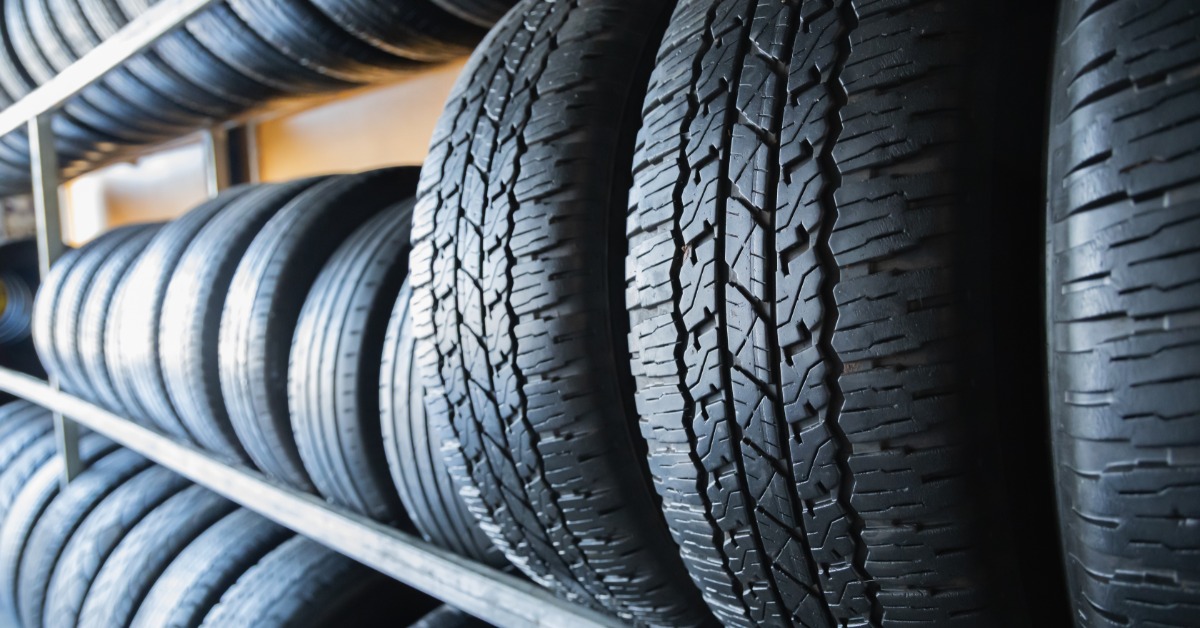
Your vehicle’s manufacturer provides tire size and specification guidance for a reason. These recommendations are based on how the vehicle handles weight, braking, and steering. Choosing a tire outside those guidelines can affect speedometer accuracy and traction. The recommended tire information is usually listed on the driver’s side door placard or in the owner’s manual. Treat those numbers as a starting point. A tire may look like it fits, but the right size and specs help the vehicle perform as intended.
Your daily driving environment is a major factor in tire choice. A driver who mostly stays on city streets may need something different from someone who regularly takes highways or rougher jobsite routes. Stop-and-go traffic and heat change how a tire wears and performs. Drivers shopping for tires in Baton Rouge should think about local road conditions. Matching tires to real driving conditions gives your car better traction and steadier handling.
Tread patterns are not for looks. They help determine how a tire grips the road and channels water. The tire category is also an essential factor, because touring, performance, all-season, and highway tires are built with different priorities. A tire designed for comfort may not feel the same as one made for sharper handling. If you drive in wet conditions frequently, you might consider a tire with deeper channels over one built mainly for a quiet ride. Understanding these differences can prevent you from choosing a tire that looks right but does not drive the way you expected.
A tire can be unused and still have an age you should check. Rubber changes over time, even when a tire has not been driven on much. The manufacturing date is part of the DOT code printed on the tire sidewall, usually shown as a four-digit number that identifies the week and year it was made. Older rubber cannot perform as well as newer rubber. Before buying, ask when the tire was manufactured and make sure the age fits your expectations for the purchase.
Load index and speed rating are easy to overlook because they are often printed as small letters and numbers beside the tire size. You’ll want to pay attention to these numbers because they show how much weight a tire can support and the speed conditions it is built to handle. Choosing a tire with the wrong rating can affect safety and the vehicle’s handling under normal use. These ratings are especially important for larger vehicles or drivers who regularly carry cargo. Matching the ratings keeps the tire aligned with the vehicle’s intended use.
Sometimes a full set of tires is the right choice, but not always. If two tires still have healthy tread and are wearing evenly, replacing only the two worn tires may be enough. The key is to make sure the remaining tires are safe and properly mounted on the vehicle. You can evaluate the tire’s condition by tread depth and wear patterns. Buying four tires when two would work can strain your budget unnecessarily. On the other hand, keeping unsafe tires to save money can create bigger problems, so the decision should be based on an inspection.
Warranty coverage and tread life estimates can tell you a lot about what to expect from a tire. Some individuals focus on the brand or price but forget to ask how long the tire is designed to last under normal driving conditions. Tread life estimates are not guarantees, but they can help compare options more clearly. Don’t forget warranty details, as the coverage may depend on maintenance records. Reading the fine print before buying helps you understand what is covered, what is not, and what you need to do to keep coverage valid.

Tires need ongoing care after they leave the shop. Rotation, balancing, alignment checks, and proper inflation affect how long your tires last. Skipping those services may cause premature replacement. Maintenance costs should be part of the buying decision because a tire that fits your budget today still needs care later. Choosing tires without thinking about upkeep can lead to frustration when performance drops sooner than expected. A good tire purchase should include a plan for keeping the tires in better condition throughout their usable life.
Professional fitment guidance prevents mistakes that are hard to spot online or from a tire label alone. As you’re aware, several factors play a role in choosing the right option. RNR Tire Express can help drivers compare tire and wheel options while keeping everyday drivability in mind. Getting help before you buy can make the difference between tires that simply install and tires that truly fit.
Buying tires should be less of a gamble and more of a decision you can stand behind every time you drive. Avoiding common tire buying mistakes gives you a better chance of choosing tires that fit your vehicle. When you are ready to compare options, RNR Tire Express can help you find tires, rims, and wheel packages with payment options that make sense for your needs.
By signing up you agree to our Privacy Policy.