Safety Tips
|
Aug 9, 2019
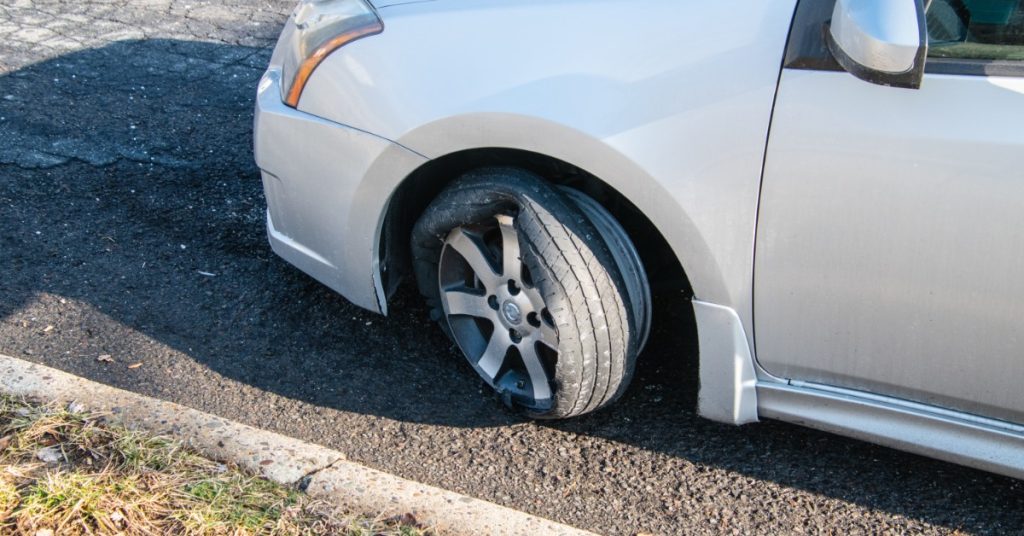
A tire blowout will not announce itself politely. One minute your truck is driving steady and the next you’re experiencing your wheel jerking and loud road noises. Avoiding the most common causes of tire blowouts begins with understanding how road and tire conditions interact to quietly build up trouble before the tire gives out. Once drivers know what to watch for, they have a better chance of catching tire problems before the highway catches them off guard.
Underinflation creates one of the most dangerous conditions for any tire. When a tire lacks enough air, the sidewalls flex more than they should, and that extra movement generates heat inside the rubber.
Hot roads make the problem worse because the tire already operates in a high-temperature environment. As heat builds, the internal structure weakens, and the tire loses the strength it needs to hold its shape at speed.
Drivers should check tire pressure when the tires are cold, since pressure readings rise after driving. The number printed on the tire sidewall is not the recommended pressure for the vehicle, so the driver-side door placard or owner’s manual should guide the check.
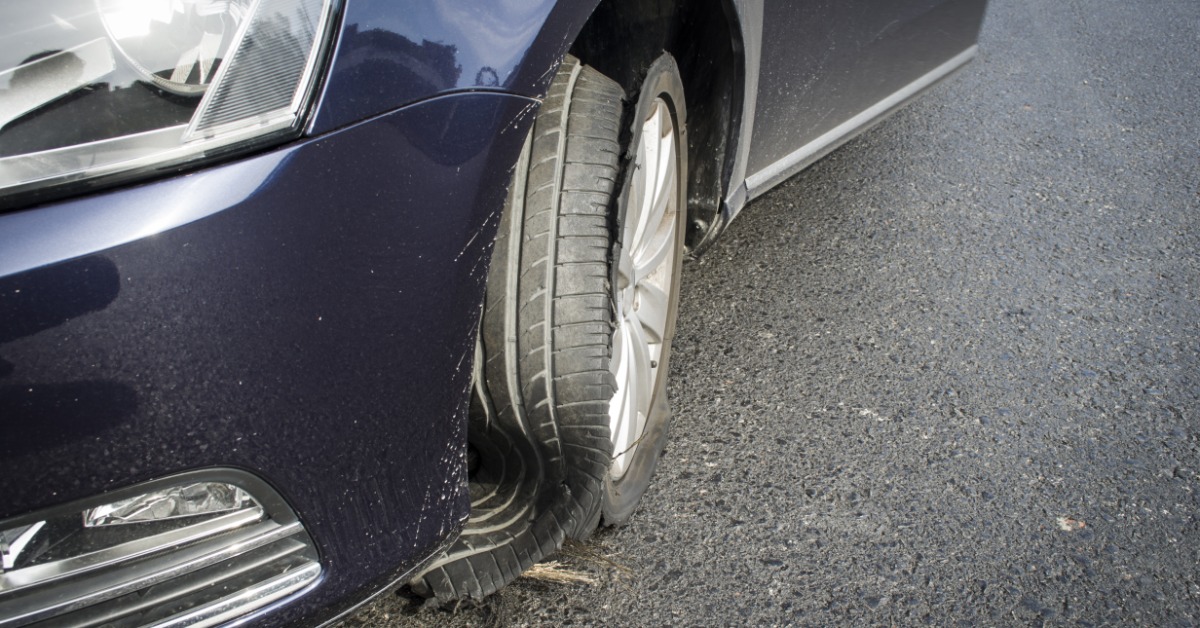
Tread depth affects more than traction in rain. As the tread wears down, the tire has less material between the road and the internal belts, leaving it more exposed to stress.
Damage raises the danger even when the tire still looks usable at a glance. A bubble on the sidewall or a deep cut signals a weakened structure that should not be ignored.
Uneven tread wear signals underlying vehicle issues. When one edge of the tire wears faster than the rest, the vehicle may need an alignment, rotation, or suspension inspection before the next set of tires wears out prematurely.
Every vehicle has a weight limit, and the tires play a major role in carrying that load. When the vehicle carries too much weight, the tires flatten against the road more than intended, and that shape change creates extra heat.
Overloading becomes riskier during long highway drives. The tire has to keep rolling under strain for miles; therefore, there is less room for error if the pressure is low or the tread is already worn.
Drivers should check the vehicle’s load rating before packing for a trip or hauling heavy items. The safest choice is to reduce unnecessary weight instead of expecting aging or underinflated tires to absorb the punishment.
Potholes and curbs do not always destroy a tire right away. Some impacts damage the internal belts, leaving the tire weaker even though the outside looks normal.
Never ignore a hard hit. If the steering wheel shakes or the vehicle pulls, the tire and wheel need professional attention before more driving adds stress.
Local roads and construction zones make this kind of damage difficult to avoid entirely. Slowing down near rough pavement gives the tire more time to absorb the impact and reduces the risk of serious internal injury.
Speed increases heat, and we know by now that heat is one of the main forces behind tire failure. A tire in poor condition has reduced heat resistance, which means fast driving can magnify problems that may seem minor in town.
Neglected maintenance lets those problems stack up. Skipped rotations create uneven wear, ignored alignments drag the tire across the road at the wrong angle, and old valve stems may slowly leak air.
Regular tire service catches small issues before they become dangerous at highway speeds. Drivers shopping for tires in Pascagoula, MS, should remember that replacing worn tires is only part of the equation—routine inspections and proper maintenance all reduce the risk of tire failure when traveling at higher speeds.
A tire ages even when the tread still looks decent. Rubber loses flexibility over time, which makes the tire less prepared for daily use and various road conditions.
Cracking along the sidewall or between tread blocks points to rubber deterioration. The tire may hold air, but the outer signs suggest the material no longer has the resilience it once had.
Drivers should know the age of their tires. The date code on the sidewall identifies when the tire was made, which matters for vehicles that sit for long periods or travel only short distances.
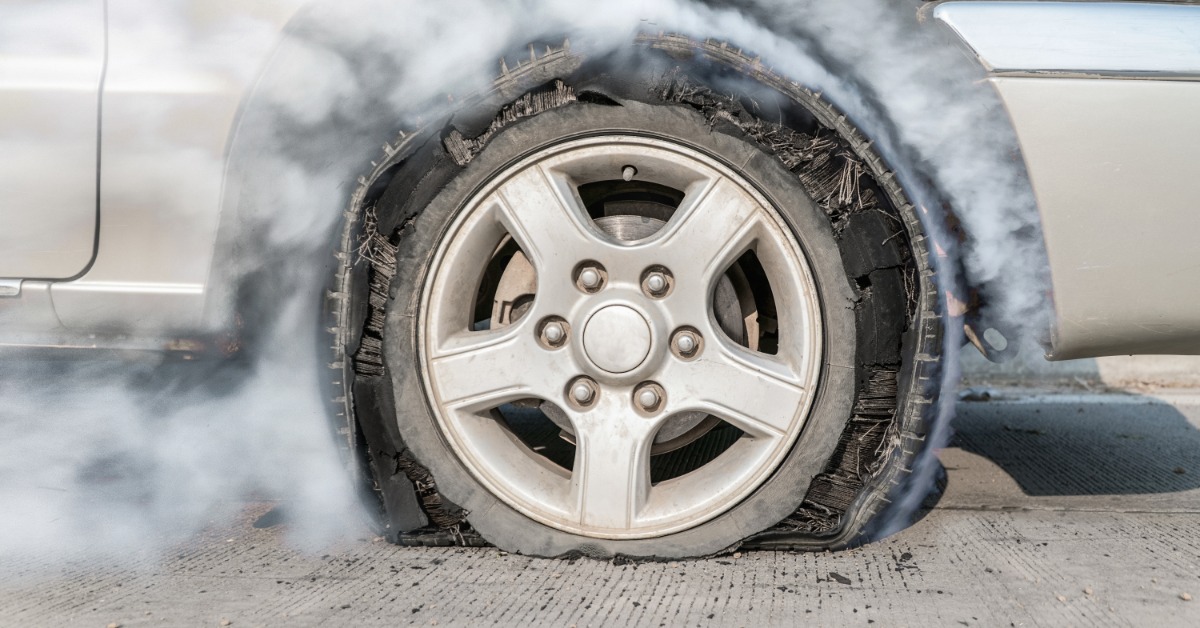
Repair makes sense only when the damage falls within safe limits. A puncture in the tread area may be repairable, but damage to the sidewall or internal structure usually points toward replacement.
Tires with repeated air loss should not be treated like a small nuisance. A slow leak may come from a puncture, a damaged rim, a weak valve stem, or a bead issue, and each one affects how safely the tire performs.
Replacement becomes the smarter choice when the tire no longer provides dependable support. Fresh tires restore traction and stability, but the right fit still depends on the vehicle and driving habits.
A blowout may begin with vibration, thumping, pulling, or a sudden change in the vehicle’s tracking. When those signs appear, the driver should stay calm, hold the steering wheel steady, and avoid sharp movements.
The safest response is to ease off the accelerator and guide the vehicle toward a safe stopping place. Hard braking can make the vehicle harder to control, so gradual braking provides the tires and suspension with greater stability.
Once stopped, the driver should not continue driving on a damaged tire. Calling for help or visiting a tire professional protects the vehicle from further damage and keeps a risky tire from turning one close call into another.
A tire that gets attention before it fails is always easier to deal with than one that leaves you stranded on the shoulder. Drivers do not need to wait for visible damage before taking tire condition seriously.
Avoiding the most common causes of tire blowouts starts with treating tire care as part of staying ready for the road. When your tires no longer perform as they should, RNR Tire Express is ready to help you find the right replacement tires and wheel options, with payment plans that work for your budget.
By signing up you agree to our Privacy Policy.