Maintenance
|
Jul 23, 2019
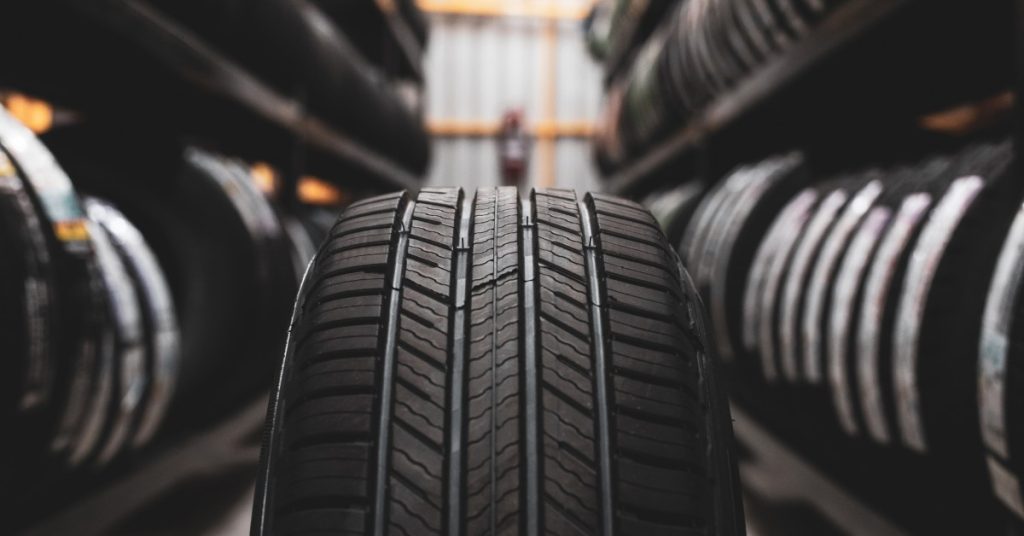
Tire trouble can pop up anytime. It’s an inconvenience that always seems to arrive at the worst financial moment. Instead of stressing, what if you managed your tire maintenance budget perfectly so that you never have to worry about tire repairs?
Budgeting for regular tire maintenance is one of the smartest moves a car owner can make. It transforms a potential financial emergency into a manageable, planned cost. Setting aside a little money now helps you stay safe on the road and extend your vehicle’s life. Let’s break down how to build a tire budget that works for you, your car, and your wallet.
Before we talk dollars and cents, let’s talk about safety. Your tires are the only point of contact between your car and the road. That small patch of rubber is responsible for gripping wet pavement, stopping your car quickly, and keeping you safe during your daily commute.
Proper maintenance isn’t just about avoiding a flat tire; it’s about efficiency. Well-maintained tires improve your fuel economy, meaning you spend less at the pump. Conversely, neglected tires wear out faster, force your engine to work harder, and put you at risk of accidents.
Common tire maintenance costs include:
These aren’t optional services; they are essential for anyone who wants to track their ride safely and efficiently.
To create a budget, you first need to know what you are saving for. Tire costs vary wildly depending on whether you drive a compact sedan for city commuting or a large SUV for family road trips.
Go online or check your vehicle management app to find the specific tire size for your car. Look up the price of a complete set of four tires. Don’t look for the cheapest option; look for tires that offer safety and longevity. Let’s say a quality set for your SUV costs $800.
Call a few local shops or use our app to check average prices for rotations and alignments.
Tires generally last between 30,000 and 60,000 miles. If you drive the average 12,000 to 15,000 miles a year, you can estimate when you’ll need that $800 set. If your tires last 4 years, you need to save $200 a year, or roughly $17 a month, just for the replacement.

A sinking fund is just a fancy term for a savings bucket dedicated to a specific future expense. Instead of paying for repairs out of your monthly grocery money, you pull from this fund.
This is the set it and forget it method. Based on your calculations in Step 1, set up an automatic transfer from your checking account to a savings account on payday. Even $30 a month adds up to $360 a year. That covers your alignments and rotations. Plus, it gives you a head start on a new set of tires.
The irony of budgeting for repairs is that spending a little money on schedule helps you avoid spending a lot of money on emergencies. Affordable maintenance and preventive measures significantly extend your vehicle’s lifespan.
You should rotate your tires every 5,000 to 8,000 miles. Many drivers sync this with their oil changes to make it easy to remember. Regular rotation ensures that all four tires wear down at the same rate. If you skip this, your front tires might wear out years before your rear tires, forcing you to buy a new set sooner than you need to.
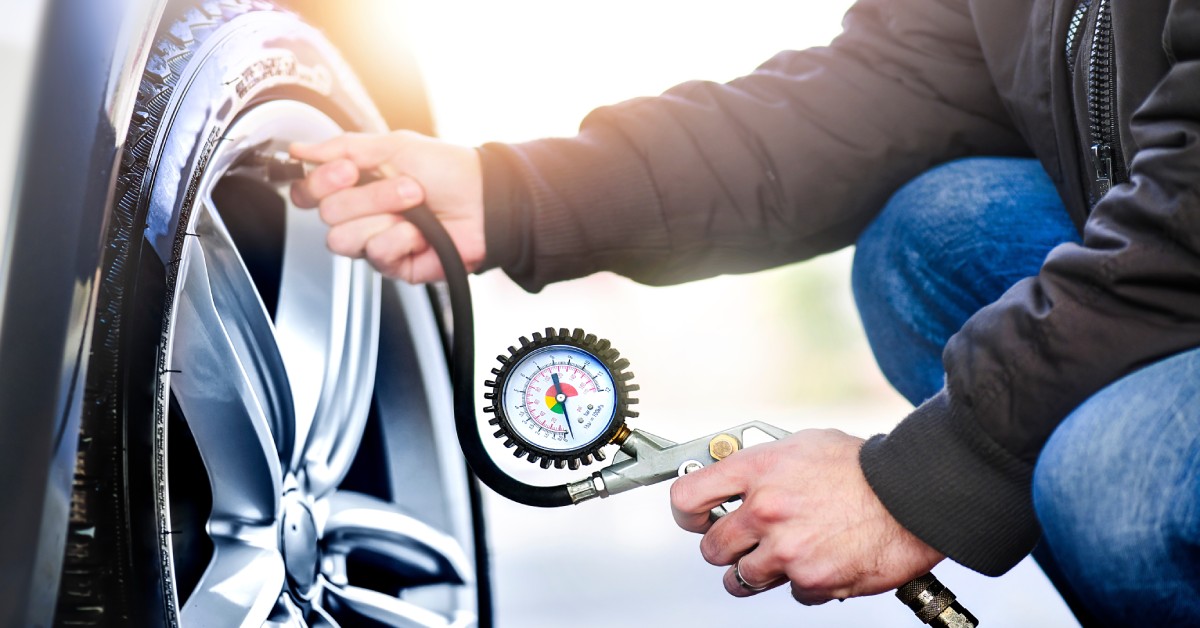
Under-inflated tires are money pits. They create more rolling resistance, which kills your fuel efficiency, and they build up excess heat, which destroys the tire structure. Most modern cars have tire pressure monitoring systems (TPMS), but you should still check them manually once a month. Keeping them properly inflated is free, but it saves you big bucks.
If your car pulls to the left or right, you need an alignment. Driving with bad alignment is like dragging your tires sideways down the highway. It shreds the tread rapidly. An alignment might cost $100, but it saves you from ruining an $800 set of tires.
We live in a world of smart integrations. Use them! You don’t have to keep track of this in a notebook in your glovebox.
Use vehicle management solutions to:
Seamless integration with your tech devices means you stay informed without the hassle.
Even with the best budget, hazards happen. A nail in the road doesn’t care about your savings plan.
When buying new tires, ask about road hazard warranties. For a small upfront fee (often $10–$20 per tire), the dealer will repair or replace a tire if it’s damaged by debris or potholes. This is a great way to protect your budget against bad luck.
Try to keep an extra $100–$200 in your car fund specifically for oops moments. If you never use it, great! It can go toward your next set of tires. But if you hit a curb and ruin a sidewall, you’ll be relieved the money is there.
Budgeting for tire maintenance isn’t the most exciting part of owning a car, but it is one of the most important. It ensures that when you head out on your morning commute, you can trust your vehicle to get you there safely.
When you know your costs, automate your savings, and stay on top of preventative care, you turn a major headache into a minor checklist item. You gain peace of mind knowing that you have the funds ready for whatever the road throws your way. Start your fund today. Check your tire pressure tomorrow. And keep tracking your ride for a safer, smoother journey.
If you need reliable tires in McAllen, come to RNR Tire Express. Our team can help you find affordable options, and even if you don’t have a reliable tire budget, our payment options allow you to buy the best tires for your vehicle. Visit us to find exactly what you need for your tires.
By signing up you agree to our Privacy Policy.