Wheels
|
Jul 1, 2019
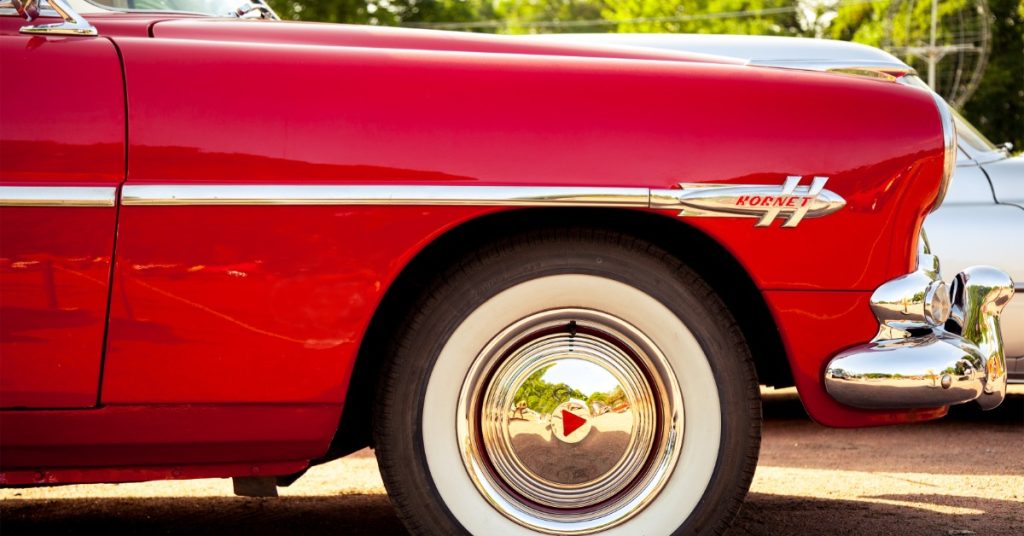
Classic cars have a character that modern vehicles can’t quite replicate. From the elegant curves of a vintage Chevrolet to the aggressive stance of an old-school Mustang, every detail contributes to their appeal. Wheels play a major role in that appearance, but the right set must do more than look good. Proper fitment also influences handling, tire clearance, and ride quality.
Choosing wheels that fit your classic car requires an understanding of its original specifications and any modifications made over the years. A beautiful wheel won’t deliver much satisfaction if it rubs against the fender or interferes with the brakes.
Before browsing wheel designs, identify the original specifications of your classic car. Manufacturers engineered each vehicle around specific wheel dimensions, suspension components, and brake configurations. Those details provide a useful reference point for upgrades.
Start with the owner’s manual, factory service documentation, or a reliable vehicle-specific fitment guide. Record the original wheel diameter, width, and bolt pattern. You should also note any changes previous owners made to the suspension or braking system.
Classic cars rarely remain completely original throughout their lives. A previous owner may have installed aftermarket brakes, lowered the suspension, or replaced the rear axle. Such modifications can change the wheel dimensions your vehicle can accommodate.
For example, a classic muscle car with upgraded disc brakes may require more space behind the wheel spokes than its original drum-brake configuration. Never assume factory specifications still describe every component on your vehicle.
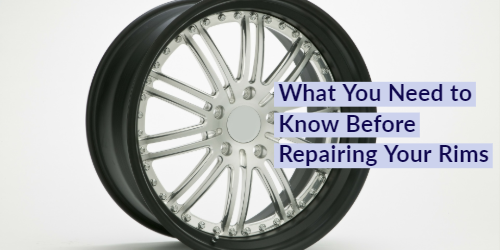
When choosing wheels that fit your classic car, you must understand the vehicle’s wheel diameter and width. Wheel diameter determines the size of the wheel itself, and width influences the tire sizes you can install. Both measurements affect appearance and clearance.
Many classic vehicles originally featured smaller-diameter wheels with relatively tall tire sidewalls. That combination contributes to their distinctive proportions and ride characteristics.
A modest increase in diameter can give a classic car a more assertive stance without dramatically changing its appearance. Wider wheels may accommodate wider tires, provided the vehicle has sufficient clearance.
Your ideal dimensions depend on the specific model, suspension geometry, and desired appearance.
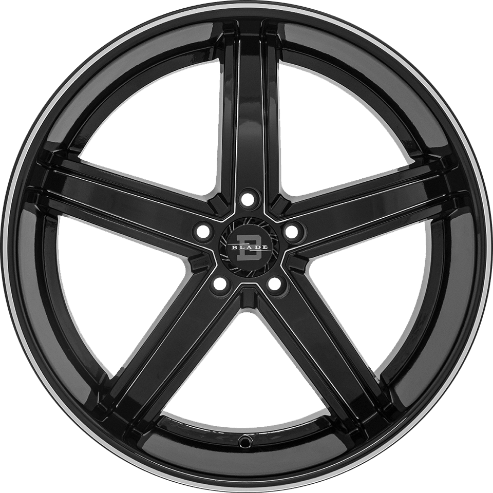
The bolt pattern describes the number of mounting holes and the diameter of the circle they form. Wheels must match the vehicle’s mounting configuration to attach correctly.
For example, a 5×4.5-inch bolt pattern has five mounting holes arranged around a circle measuring 4.5 inches in diameter. Another five-lug wheel may look nearly identical but use different spacing.
That small difference can prevent proper installation.
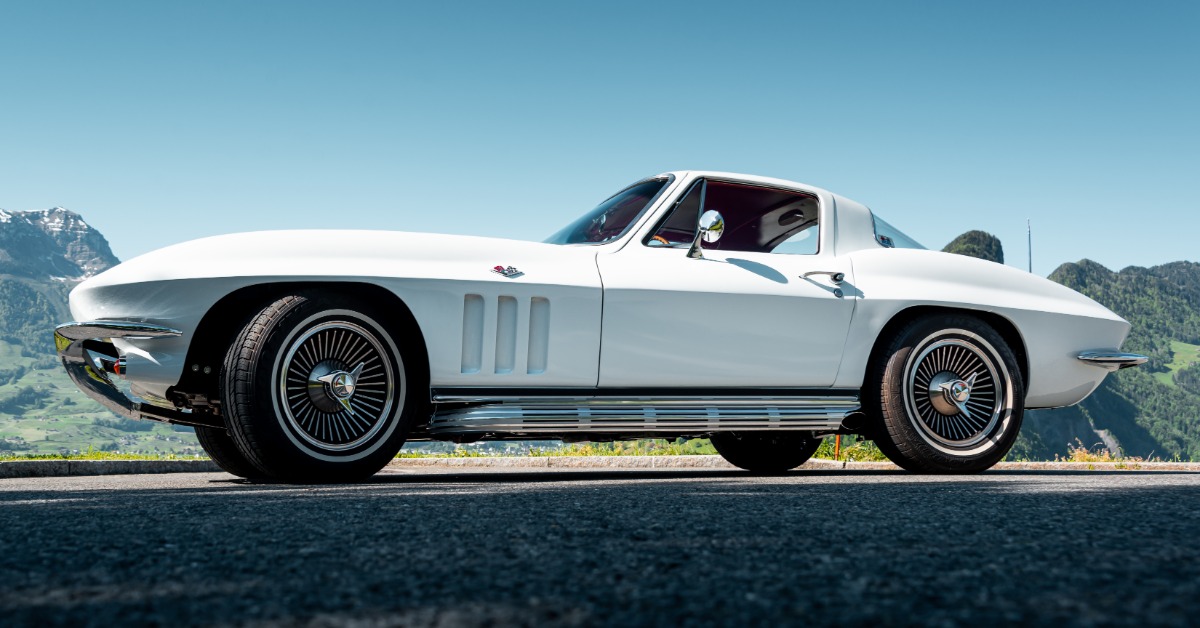
Wheel compatibility extends beyond the bolt pattern. Lug nuts must have the correct thread size and seat design for the wheel.
Certain aftermarket designs require hardware that differs from the original components. Use the wheel and vehicle manufacturers’ specifications to confirm compatibility and proper torque before installation.
Offset and backspacing determine where a wheel sits relative to the hub and surrounding components. These measurements influence how far the wheel extends toward the fender or suspension.
Offset describes the distance between the wheel’s mounting surface and its centerline. Positive offset positions the mounting surface toward the wheel’s outer face, and negative offset positions it toward the inner face.
Backspacing measures the distance from the mounting surface to the wheel’s inner edge. Together, these dimensions help establish clearance.
An incorrect offset may push the tire too close to suspension components or extend it beyond the fender. Either situation can create interference as the suspension moves or the steering wheel turns.
For classic vehicles with narrow wheel wells, relatively small dimensional changes deserve careful consideration.
A wheel can match the bolt pattern and overall dimensions yet still interfere with the brakes. Its spoke profile and inner barrel shape determine how much room surrounds the caliper.
This becomes especially relevant for classic cars with aftermarket disc-brake conversions. Larger calipers may require a particular wheel design or minimum internal clearance.
Suspension components create similar considerations. Control arms, steering linkages, and shocks all occupy space around the wheel assembly.
Whenever possible, test-fit a wheel before mounting its tire. Verify clearance around the brakes and suspension, then evaluate the tire dimensions throughout the steering and suspension travel.
Technical compatibility matters, but classic-car ownership also celebrates distinctive design. The right wheels should complement the vehicle’s body lines and overall personality.
A restored 1960s coupe might look excellent with polished five-spoke wheels. A custom muscle car, meanwhile, can accommodate a more aggressive design.
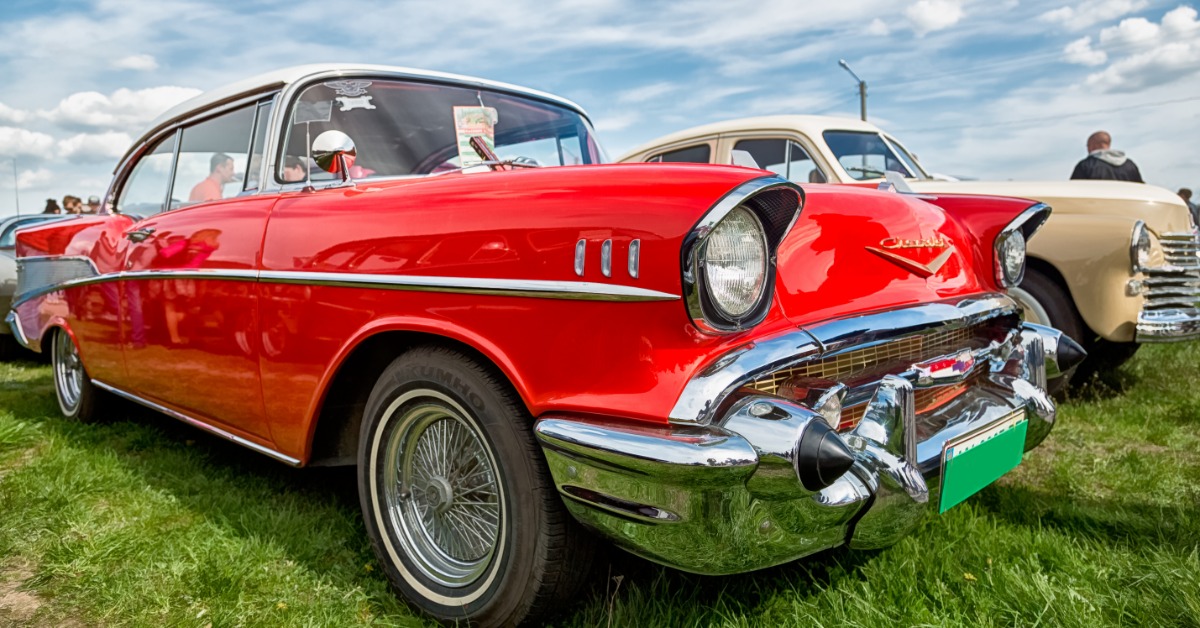
Steel and aluminum alloy represent two common choices for classic cars. Each offers characteristics worth considering.
Steel wheels support traditional styling and are available in designs that resemble original equipment. They’re generally heavier than comparable alloy wheels.
Aluminum alloy wheels provide a broad range of finishes and spoke patterns. Their weight varies by design and construction, so compare actual specifications rather than assuming every alloy wheel is lighter.
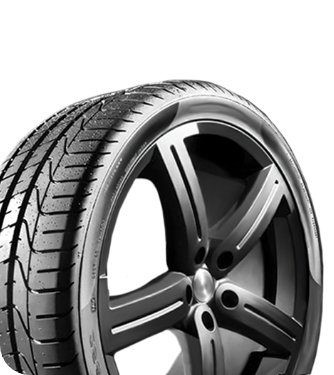
A wheel upgrade isn’t complete until you choose compatible tires. Tire width, sidewall dimensions, and overall diameter affect the final fit.
An excessively large tire may contact the fender during turns or suspension movement. A tire with an unsuitable load rating can also create safety concerns.
At the RNR Tire Express tire shop in Tupelo, MS, our wheel and tire experts can outfit your vintage vehicle with the ideal set of tires to go with its wheels and overall style.
Classic cars have suspension characteristics that differ from those of many modern vehicles. A larger wheel with a shorter tire sidewall may create a firmer ride.
Drivers who value comfort may prefer a taller sidewall and wheel dimensions closer to the original configuration. Those who prefer a custom appearance can explore alternatives that maintain safe clearance and suitable tire specifications.
Before committing to a wheel package, confirm that every measurement works together. Use this checklist to review your selection:
A comprehensive fitment review can help you avoid unnecessary expenses and preserve your classic car’s drivability.
Finding suitable wheels for a classic car combines personal style with careful attention to mechanical compatibility. Diameter, bolt pattern, offset, and clearance all influence the final result. A thoughtful selection preserves the vehicle’s character without compromising its ability to perform on the road.
RNR Tire Express offers a selection of wheels and tire packages for drivers who want to personalize their vehicles. Visit your local RNR Tire Express to explore available designs, discuss fitment requirements, and find a wheel package that suits your classic car.
By signing up you agree to our Privacy Policy.