Tires
|
May 30, 2019
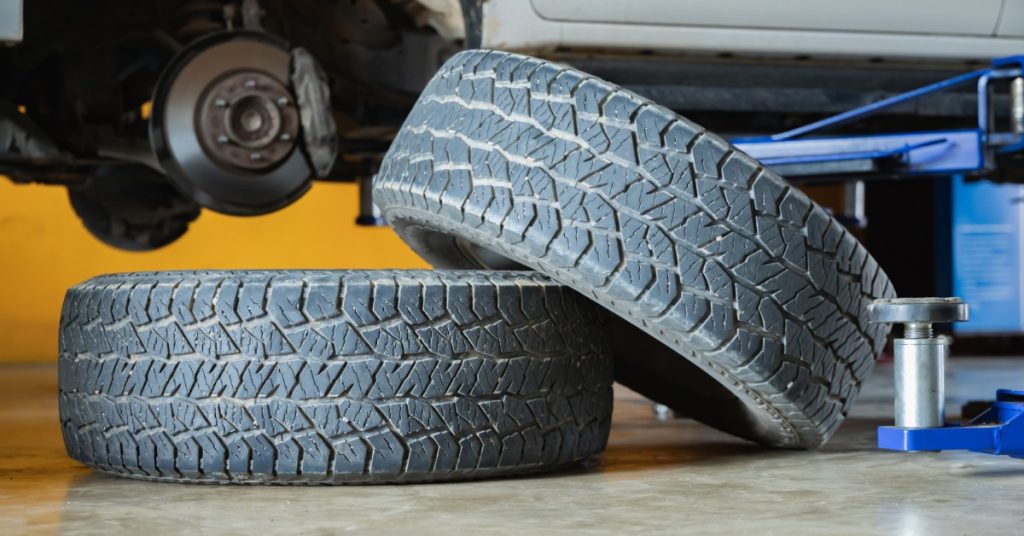
Winter tires are built for a specific part of the year, and what happens to them after the cold weather ends matters more than many drivers realize. A tire that performed well through one season can lose value during the months it spends off the vehicle if storage is handled carelessly. Learning how to properly store your winter tires in the off-season helps preserve performance and make the next seasonal changeover much easier.
Owners should clean every winter tire before it goes into storage. Residue, such as road salt, can remain on the rubber and wheel surfaces for months if you do not remove it first. A simple wash with mild soap and water is usually enough to clear away the buildup left behind by winter driving.
Drying matters just as much as cleaning. Moisture trapped in tread grooves and around valve stems creates problems during long-term storage. A tire should go into storage fully dry so the surface stays in better condition while it sits through the off-season.
A close inspection should happen before storage begins. It’s best to do this after cleaning because it will reveal damage that may have gone unnoticed, especially while the tires were still on the vehicle. Address all cuts, punctures, cracking, or bulges before packing the set away.
Wear patterns can tell you what might need attention before next winter. For example, patchy tread loss may point to alignment or inflation issues. Marking each tire by its previous position can also help if you want to keep track of rotation history before the reinstall season arrives.
Storage needs will vary depending on whether the winter tires remain mounted on the wheels. A mounted set can be easier to manage during seasonal swaps because each tire stays paired with its wheel. An unmounted set occupies storage space differently and requires a little more care in positioning.
Neither option is automatically the better choice for every driver. Available space and how you handle your seasonal service play a role. A full wheel-and-tire package can save time during reinstall season, while unmounted tires may work better for drivers who do not keep a dedicated winter wheel setup.
Packaging is one of the simplest ways to protect stored tires. Rubber can age faster when it is left exposed to circulating air for long periods. Opaque tire bags or other well-fitted storage bags help shield the surface from conditions that slowly wear it down.
A proper cover keeps dust and debris from settling onto the tire while it sits. Storage areas might seem clean at first, though months of inactivity can leave tires exposed to far more grime than expected. A sealed or covered setup creates a better storage environment from day one.
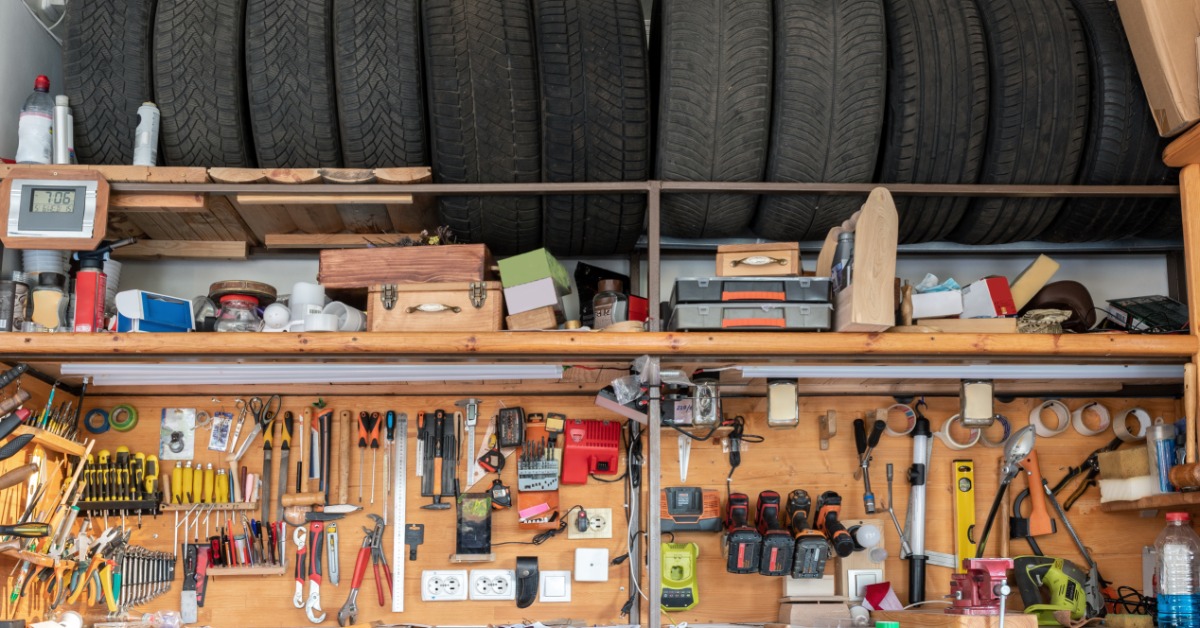
Speaking of storage, your winter tires should stay cool and dry during the off-season. These specific tires do not perform well in environments with extreme temperature swings or excessive moisture. Garages can work well when the area remains fairly stable, and the tires are kept away from direct heat sources.
Sunlit corners and damp sheds create more risk than many drivers expect. Chemical exposure can also become a problem if you store the tires near fuel containers or other harsh chemicals. A controlled indoor space gives your winter set a better chance of staying ready for the next cold season.
Positioning affects how a tire holds its shape over time. A clean tire in a good room can still develop issues if it sits the wrong way for months.
Mounted winter tires can usually be stacked flat because the wheel helps the tire maintain its shape over time. Some drivers hang mounted sets on wall hooks designed to support the full wheel-and-tire assembly. Check air pressure before storage so the set is not left sitting low for months. A stable setup with minimal shifting helps reduce unnecessary stress while the tires are off the vehicle.
Unmounted tires should be stored upright so their shape stays more consistent throughout the off-season. Leaving them stacked flat for long periods can place uneven pressure on the rubber. A clean, dry surface helps prevent contact-related damage while the tires sit in storage. Occasionally rotating their position can help prevent one section from bearing the same load for months.
Storage is not something you set up once and forget about until winter returns. Checking tires from time to time ensures their bags are secure and that the surrounding area remains dry and clean. A quick inspection during the off-season can catch problems early.
Garage spaces change over time, especially during warmer months, when tools and household items move around more often. Consistent storage conditions are part of protecting the set for future use.
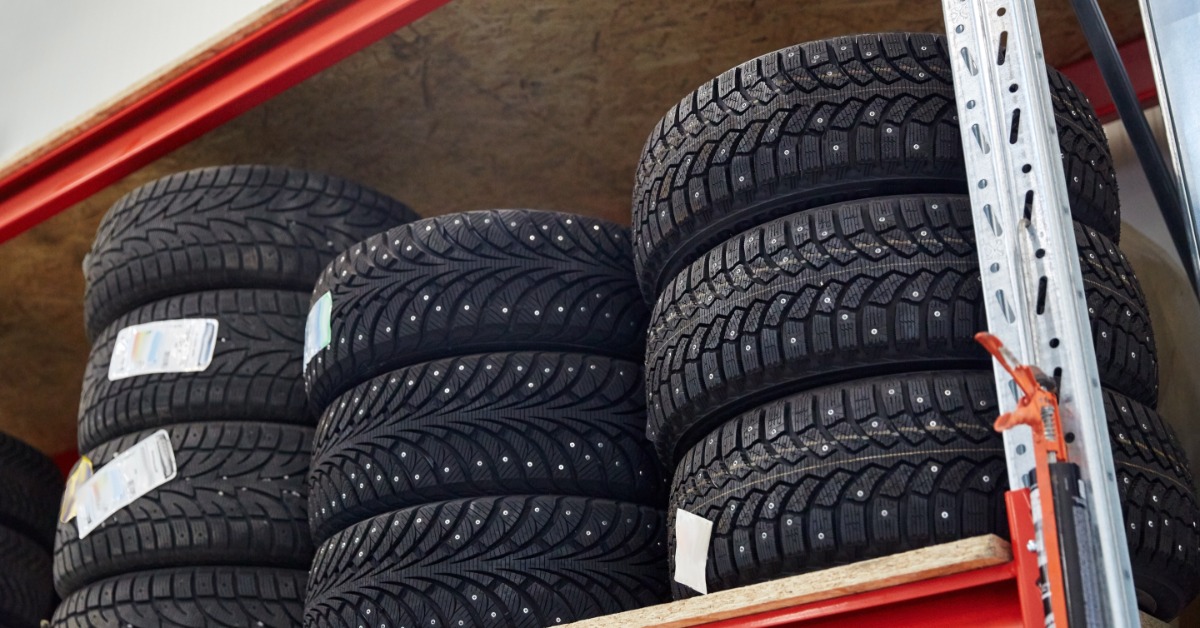
Reinstall season is the moment when storage returns to real-world performance. A few final checks can help confirm your winter tires are ready for another season of cold-weather driving and help you avoid surprises once they are back on the road.
Looking for a tire shop in Memphis, TN, to help with seasonal tire care? RNR Tire Express can help you stay ready for the next winter changeover with tire services that fit your vehicle and your schedule.
Seasonal tire care can shape how confidently your vehicle handles in colder weather. Drivers who properly store their winter tires in the off-season give themselves a stronger start before the season even begins. Good storage habits protect more than rubber alone and help preserve the value of your investment. Visit RNR Tire Express when you are ready to get your winter tires back in service.
By signing up you agree to our Privacy Policy.