Tires
|
May 30, 2019

A classic Corvette does not feel like an ordinary car because it was never built to be one. Every curve, gear change, steering input, and exhaust note comes from a specific era of American performance. That makes tire selection more than a routine maintenance decision. The right tires help your Corvette drive with the confidence, comfort, and personality it was meant to have.
Classic Corvette owners must balance originality, drivability, safety, and appearance. A tire that looks right at a weekend show may not feel right on Tennessee roads, and a modern performance tire may not suit the stance or suspension setup of an older model. Keep reading to understand how to select the best tires for your classic Corvette.
Corvette design has changed a lot from one generation to the next. Early C1 and C2 models have different suspension geometry, wheel openings, brake clearance, and ride expectations than later C3 and C4 models. A tire that works well on a 1967 Sting Ray may not make sense for a 1982 Corvette, even if the outside diameter looks similar.
Your owner’s manual, factory documentation, tire placard, or trusted Corvette reference can give you a starting point. That information matters because classic cars may have already gone through wheel swaps, suspension changes, brake upgrades, or restoration work. Before you buy tires, confirm what your Corvette needs now, not only what it wore when it left the factory.
Some owners want their Corvette to look as close to factory-correct as possible. In that case, whitewall tires, redline tires, raised white letters, or period-inspired tread patterns may matter just as much as handling. These details can help preserve the classic look that makes the car stand out at shows, cruise nights, and local events.
Other owners care more about how the car drives in modern traffic. A newer radial tire can improve steering response, braking feel, wet-road traction, and ride comfort compared to older tire designs. The right choice depends on whether you prioritize originality, regular driving, weekend cruising, or a mix of appearance and performance.
Many older Corvettes originally came with bias-ply tires. These tires have a construction style that creates a period-correct look and driving feel. They can suit a show-quality restoration, but they may wander more on the road, follow grooves in the pavement, and require more attention behind the wheel.
Radial tires use a different internal construction, which helps create a wider, more stable contact patch. Many classic Corvette owners choose radials because they offer better road manners for regular driving. If your Corvette still has older suspension components, you may need a careful inspection before switching styles, since worn steering or suspension parts can make tire upgrades feel less precise than expected.

If you want to select the best tires for your classic Corvette, you must find the right tire size. Tire size changes ride height, speedometer accuracy, steering effort, braking feel, and clearance around the fenders, frame, and suspension. A tire that looks aggressive in photos may rub during tight turns, driveway angles, or suspension travel.
You should avoid guessing based on another owner’s setup alone. Classic Corvettes can vary due to wheel width, backspacing, alignment settings, body tolerances, and prior modifications. Measure carefully, check clearance, and make sure the tire fits the car’s actual wheel package before you commit.
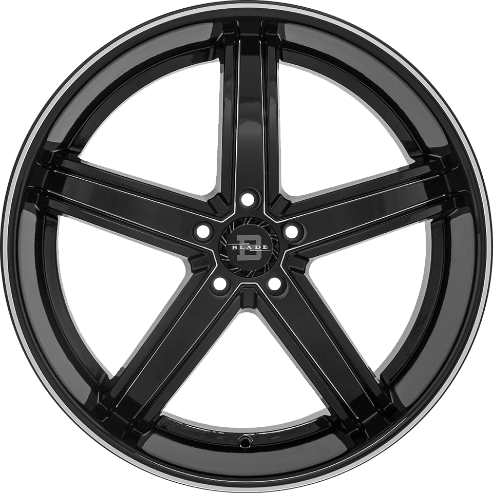
Many classic Corvette owners upgrade wheels to improve stance or create a custom look. While a larger wheel can open the door to more tire options, it can also change the way the car rides. A shorter sidewall may sharpen handling, but it can also make the ride feel harsher on rough streets.
Wheel width, offset, and backspacing all matter when selecting tires. If the wheel sits too far inward, the tire can contact suspension components. If it sits too far outward, it can rub the fender lip. Tire selection works best when you treat the wheel and tire package as one complete fitment decision.
A Corvette that spends most of its life at shows does not need the same tires as one that takes weekend drives across Tennessee. If you mainly drive short distances in dry weather, you may prioritize appearance, smoothness, and a comfortable ride. If you drive longer routes or use the car in changing weather, traction and stability should move higher on the list.
Classic cars can also sit for long periods, which makes tire age an important factor. Even tires with good tread can become unsafe as rubber dries, hardens, or cracks.
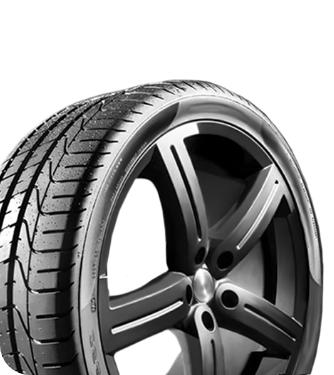
Tread design affects road noise, wet traction, and steering feel. A simple classic-style tread can help preserve the vintage appearance of an older Corvette, while a more modern tread can improve grip and water evacuation.
Performance-style tires may appeal to drivers who want more responsive handling. Touring-style tires may suit owners who want a smoother, quieter ride. Since classic Corvettes vary widely in power, weight distribution, steering feel, and suspension setup, tire choice should support the way the car behaves on the road.
Classic Corvettes may not weigh as much as some modern performance cars, but they still need tires with the correct load rating. A tire with too little load capacity can flex improperly, build heat, and wear poorly. The right rating helps the tire support the vehicle under braking, cornering, and everyday driving conditions.
Speed rating also matters, even if you never push the car hard. A higher speed rating can reflect stronger construction and better heat resistance.

Classic Corvette owners sometimes drive fewer miles each year, so their tires may look fine long after they have aged out. Tread depth can only tell part of the story. Sidewall cracks, flat spots, rubber hardness, and vibration can all point to tires that need replacement.
Check the date code on the tire sidewall before you buy or continue driving on an older set. If you recently purchased a classic Corvette, do not assume the tires are safe because they have plenty of tread.
Choosing tires for a classic Corvette can feel tricky because the right tire depends on the car, the wheels, the suspension, and the owner’s plans. Online photos and forum discussions can help you gather ideas, but they cannot replace a real fitment check. A tire professional can help confirm sizing, inspect clearance, and explain which options make sense for your Corvette.
The right tires can make a classic Corvette feel more stable and more enjoyable to drive without taking away the character that makes it special. A smart choice starts with the model year, wheel setup, driving habits, and the balance you want between vintage style and modern performance.
For help choosing tires in Memphis for your classic Corvette, visit RNR Tire Express to compare tire and wheel options. With the right set beneath it, your Corvette can look the part and feel ready for the next drive.
By signing up you agree to our Privacy Policy.