Tires
|
May 30, 2019

Buying new tires is a significant investment. For the average commuter driving 10 to 50 miles a day, tires are the single most critical safety feature on your vehicle. Yet the tire market is full of flashy marketing terms that can confuse even seasoned drivers.
You might see labels like “Ultra-High Performance,” “Sport-Tuned,” or “Race-Inspired” slapped onto budget tires. But do these labels actually mean anything? Or are they just empty promises designed to get you to spend more?
Spotting these fake performance tire claims is crucial for your safety and your wallet. Let’s walk through how to cut through the noise, decipher the technical specs, and choose the right tires for your daily drive.
In the automotive world, “performance” is a vague term. Unlike “organic” in the grocery store, there is no strict government regulation defining what qualifies a tire as a “performance” tire.
For a luxury sports car, performance means grip at 150 mph. For a daily commuter in a sedan or SUV, performance should mean stopping power in the rain, stability on the highway, and durability over thousands of miles.
Unscrupulous manufacturers—often those producing cheap, off-brand tires—exploit this ambiguity. They use aggressive tread patterns that look cool but offer poor traction. They use soft rubber compounds that feel sticky in the shop but wear out in 10,000 miles.
Understanding what real performance looks like prevents you from buying a tire that looks fast but acts dangerously.
One of the best ways to verify a tire’s quality is to ignore the tread sticker and look at the sidewall. By law, tires sold in the US must carry Uniform Tire Quality Grading (UTQG) markings. These are federally mandated ratings, not marketing slogans.
You are looking for three specific ratings:
This is a number, typically between 200 and 800. It represents how long the manufacturer expects the tire to last compared to a control tire.
Traction ratings are AA, A, B, or C.
Temperature is rated A, B, or C. This measures how well the tire resists heat buildup.
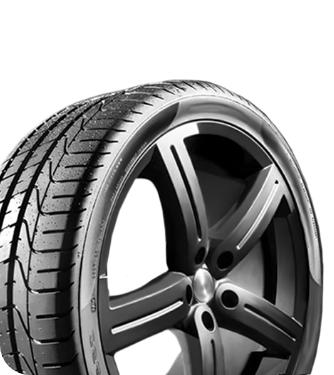
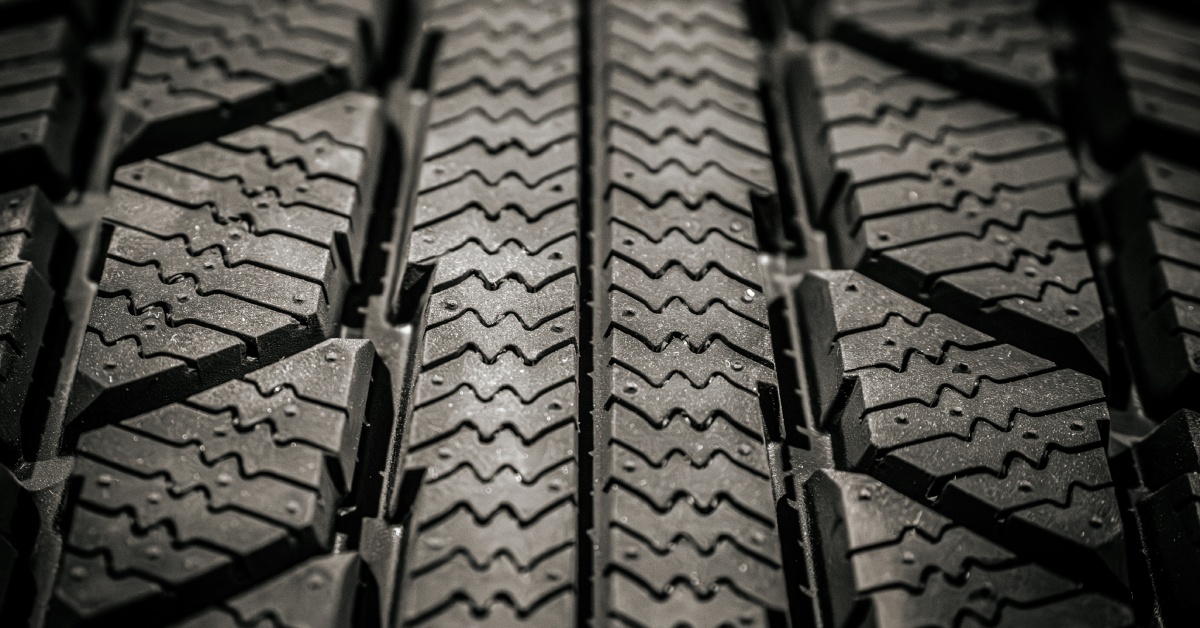
Cheap tire brands know that aesthetics sell. They will often mold tires with aggressive, directional tread patterns that look like they belong on a race car.
However, tread design is about water evacuation and noise reduction, not just looks.
If a tire has a wild, lightning-bolt style tread pattern but comes from a brand you have never heard of—and is half the price of a standard Michelin or Bridgestone—be skeptical. Complex tread designs require millions of dollars in R&D to ensure they don’t create unbearable road noise or cause the car to hydroplane. Cheap brands copy the look without the engineering.
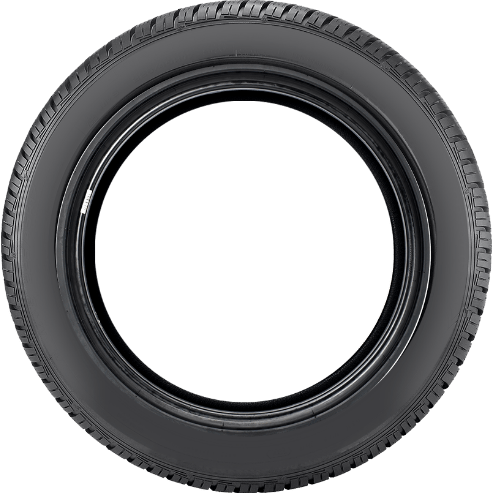
Look for circumferential grooves (deep channels running around the tire). These are essential for pushing water away and preventing hydroplaning during your commute. They might not look as sporty, but they are far safer.
If a deal seems too good to be true, it is. Engineering a tire that offers good fuel efficiency, stops short in the rain, and lasts 50,000 miles is expensive. It requires high-quality silica compounds and advanced manufacturing.
If you find a set of four high-performance all-season tires for $200 total, you are compromising on something. Usually, that compromise is safety. These tires often have longer braking distances—sometimes 20 or 30 feet longer than reputable brands. In an emergency stop on the highway, that distance is the difference between a close call and a collision.
There is a difference between affordable repairs and cheap parts. Affordable means good value—think a mid-tier tire from a reputable sub-brand (like General, Kumho, or Hankook). Cheap means the lowest common denominator. Prioritize value over the absolute lowest price tag.
Don’t rely solely on the star rating on a retailer’s website. People often leave reviews immediately after buying tires, praising their appearance or how cheap they were.
To find the truth about performance, do the following things.
Real performance for a daily driver isn’t about lap times. It’s about reliability and predictability. When you are looking for tires, focus on these attributes:
By shifting your definition of “performance” from racing specs to safety and efficiency metrics, you ensure you are getting the best equipment for your vehicle.
Tires are the foundation of your vehicle’s safety system. Avoiding fake performance tire claims doesn’t just save you from buying a bad product; it keeps you safe on the road.
Take the time to check the UTQG ratings, ignore the flashy tread designs, and buy from reputable manufacturers. If you need guidance, come to RNR Tire Express. Our tire shop in Corpus Christi has a reliable team that can help you find the best options for your vehicle. Plus, our affordable payment options let you get the best tires regardless of your budget. Visit us today to find your best tires.
By signing up you agree to our Privacy Policy.