Tires
|
May 30, 2019

Morning heat, afternoon rain, and the occasional cold snap can all hit the Gulf Coast in the same week. Most drivers think about comfort when the forecast shifts, yet few stop to consider how weather changes affect tire performance in real time. Every mile you drive is influenced by shifting temperatures and the way your tires respond to the road beneath you. Paying attention to those changes can make the difference between smooth control and unexpected handling issues.
Air pressure inside a tire rises and falls with outside temperature. As temperatures climb, air expands, increasing internal pressure. Conversely, when temperatures drop, air contracts and pressure decreases. Even a 10-degree shift can make a noticeable difference in PSI.
Lower pressure reduces the tire’s structural support. As a result, more surface area comes into contact with the pavement, creating additional friction and heat. Over time, that extra flexing can weaken internal components and accelerate wear along the outer edges.
On the other hand, overinflation reduces the contact patch. Less rubber touching the road can decrease grip and cause faster wear down the center of the tread. Handling may feel firmer, yet traction can suffer.
Seasonal transitions bring rapid temperature changes. Keeping PSI within the manufacturer’s recommended range supports even tread wear and reduces unnecessary stress on internal components.

Beyond air pressure, the rubber itself reacts to temperature changes. Tire manufacturers design compounds using specific blends of natural and synthetic rubber that operate within defined temperature windows. When external conditions exceed the intended range, the rubber’s physical characteristics begin to change.
As temperatures rise, the molecular structure within the compound becomes more flexible. Increased flexibility allows the tread surface to adapt more easily to pavement texture. In contrast, cooler temperatures cause the compound to firm up as molecular movement slows.
That change in firmness does not automatically mean a tire is defective. Instead, it reflects how rubber behaves under different thermal conditions. Because each compound is formulated with a particular climate range in mind, temperature sensitivity remains a key factor in overall seasonal performance.
Hot weather introduces challenges that concern more than your car’s PSI. Pavement absorbs and retains heat, often reaching temperatures far higher than the surrounding air. As the tires roll across these surfaces, internal temperatures rise, placing additional stress on the rubber and supporting layers.
Extended exposure to heat can accelerate tread wear, especially during long highway drives. Softer tread edges or quicker wear across the surface may appear when temperatures remain high for prolonged periods. Drivers may also notice slight changes in steering precision, particularly at higher speeds, as the tire works harder to maintain stability.
Heat management becomes especially important during peak summer conditions. Monitoring tread condition and ensuring proper inflation helps reduce the strain caused by elevated pavement temperatures.
Cold conditions influence tire behavior in a different way. As pavement temperatures drop, the rubber becomes less flexible and struggles to grip textured surfaces effectively. Drivers may feel reduced traction during early‑morning commutes when the road is at its coldest.
Braking distances often increase in these conditions because the tread cannot adapt to the pavement as quickly. Steering response may also feel slightly delayed, especially during sharper turns or quick lane changes. These changes are subtle at first but become more noticeable as temperatures continue to fall.
Lower temperatures can amplify handling issues if left unaddressed. Recognizing those shifts early allows drivers to respond before minor changes turn into noticeable performance or safety concerns.
Moisture dramatically alters the interaction between the tire and the pavement. In wet conditions, water creates a thin barrier that reduces direct contact with the road. The tread pattern design channels water away, helping maintain grip.
However, heavy rain can overwhelm shallow tread depth. When water cannot evacuate quickly enough, hydroplaning becomes a concern. During hydroplaning, tires ride on top of water rather than gripping pavement, reducing steering and braking control.
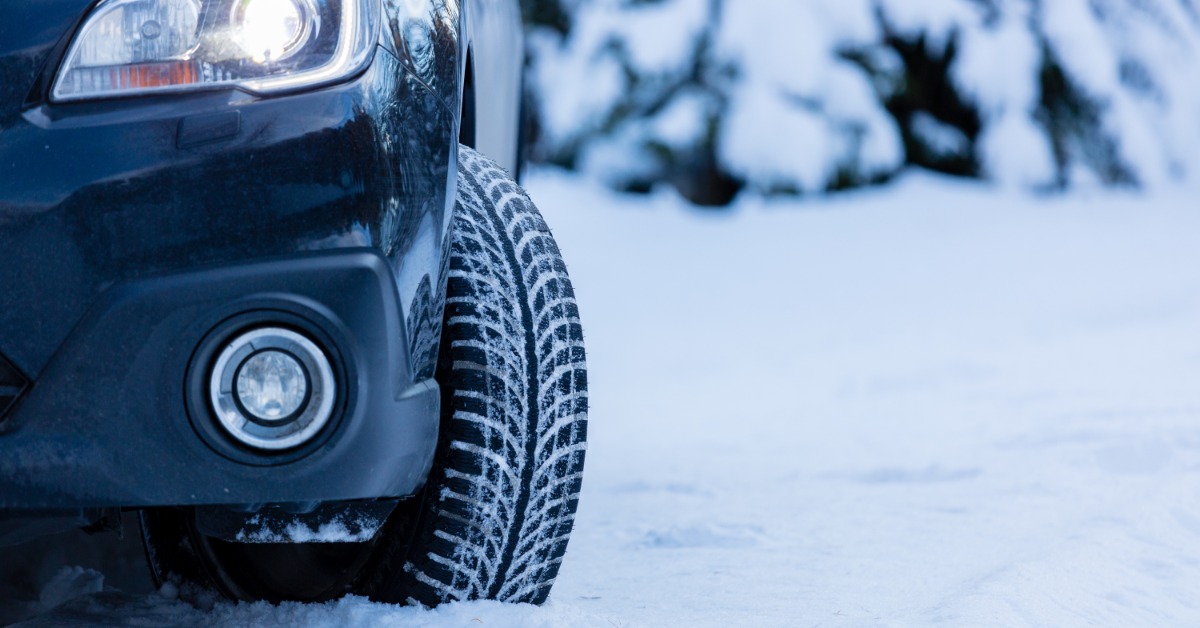
Snow introduces a different challenge. Packed snow can fill tread grooves, limiting biting edges that normally provide traction. Meanwhile, ice reduces friction to extremely low levels, requiring longer stopping distances and smoother driver inputs.
Because each surface condition changes friction differently, understanding these effects reinforces how weather changes affect tire performance under real-world driving scenarios.
Seasonal transitions are a smart time to take a broader look at overall tire condition. Start by paying attention to how your vehicle feels on the road. Subtle vibrations or a tendency to pull to one side can signal that weather-related wear is affecting balance or alignment.
It is also helpful to clear debris from tread grooves after heavy rain or stormy conditions. Small stones and packed material can interfere with proper road contact. In addition, consider scheduling a professional inspection before extreme heat or colder weather sets in, especially if your tires are approaching mid-life.
Planning ahead for seasonal shifts allows you to address concerns early. A proactive approach supports consistent handling and helps your tires perform the way they were designed to throughout the year.
Weather along the Gulf Coast can change quickly, and your tires should be ready for it. At RNR Tire Express, drivers can choose from a wide selection designed to handle shifting temperatures and road conditions. Flexible payment options make it easier to get the tires you need without delay. Visit your local RNR Tire Express to explore dependable tires in Memphis that match both your vehicle and your budget.
Road conditions will keep changing, whether it’s blazing summer pavement or an unexpected cold snap before sunrise. Drivers who understand how weather changes affect tire performance gain an edge in maintaining control and confidence behind the wheel. Staying aware of changes to your vehicle helps you make smarter decisions long before the weather becomes a problem.
By signing up you agree to our Privacy Policy.